In the bustling world of culinary arts, the utility chef knife often stands as the quiet achiever, a versatile workhorse frequently overshadowed by its larger, more imposing siblings like the traditional chef’s knife. Yet, for any home cook or professional chef, understanding the true potential of a quality utility chef knife can revolutionize daily kitchen tasks, bringing precision and ease to a wide array of preparations. This unassuming blade isn’t just another knife; it’s the ingenious bridge between the delicate touch of a paring knife and the robust power of a chef’s knife, making it an indispensable tool for efficient and enjoyable cooking.
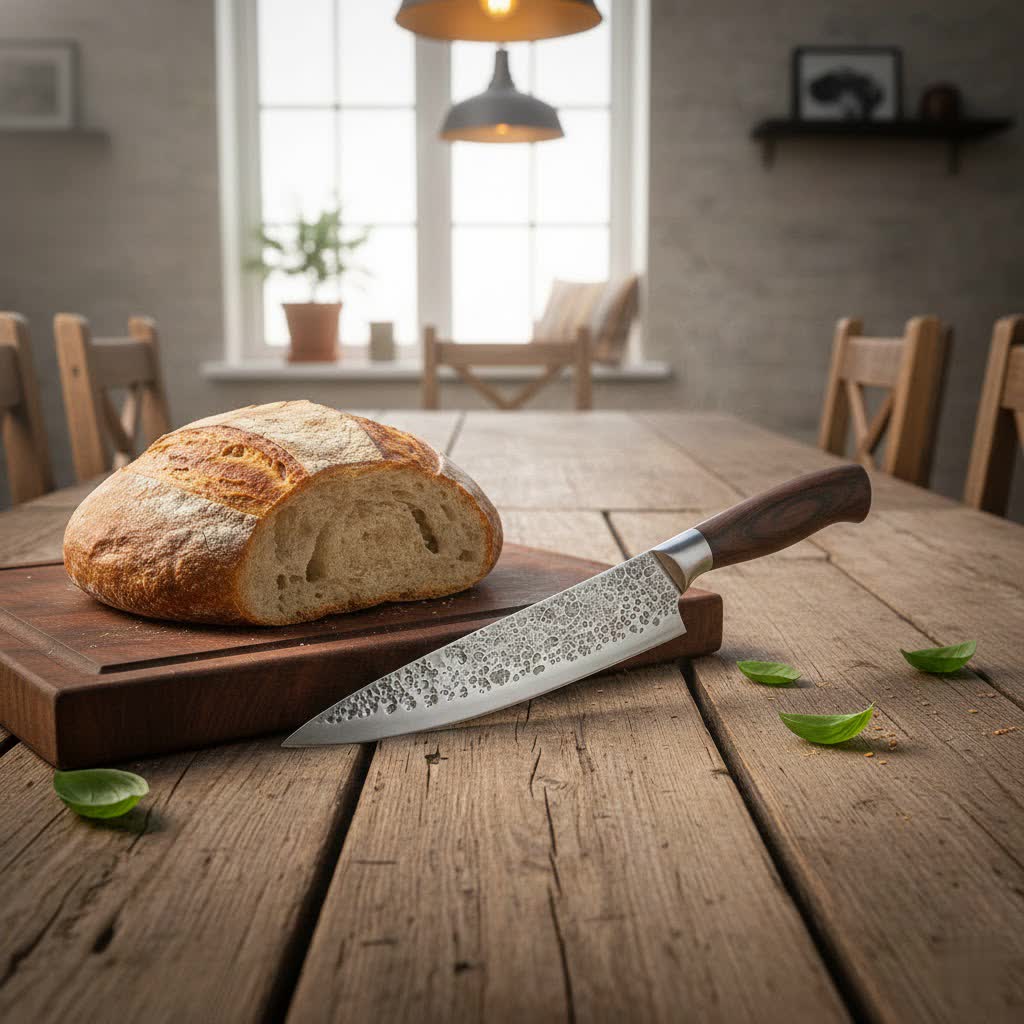
What is a Utility Chef Knife? The Nimble Mid-Range Blade
At its core, a utility chef knife is precisely what its name suggests: a multi-purpose kitchen tool designed for a broad spectrum of uses. Typically ranging from 4 to 7 inches in blade length, with 5 to 6 inches being a common sweet spot, it’s notably smaller than a standard 8-inch chef’s knife but larger and more capable than a small paring knife. Its blade is generally narrower and often straighter or only slightly curved, culminating in a sharp, pointed tip. This distinct design gives the utility chef knife its signature agility, allowing for more intricate work than a bulky chef’s knife, while still offering enough length and leverage for tasks that would overwhelm a paring knife. It’s this perfect middle ground that allows it to seamlessly handle a myriad of everyday kitchen chores, from slicing delicate produce to trimming smaller cuts of meat.
A Brief History and Evolution of Kitchen Knives
The history of kitchen knives is as old as cooking itself, evolving from rudimentary stone tools to the sophisticated blades we use today. For centuries, the “chef’s knife” in various forms has been the undisputed king, a testament to its all-around capability. However, as culinary techniques grew more refined and home kitchens became more diverse, chefs and home cooks alike began to recognize a gap. They needed a knife that offered more control and precision than a large chef’s knife for smaller ingredients, yet possessed more reach and robustness than a paring knife for tasks beyond peeling and coring. This evolving need fostered the development of specialized knives, and among them, the utility chef knife emerged as a brilliant solution, filling that crucial “in-between” role. It represents a thoughtful progression in knife design, acknowledging that one size doesn’t truly fit all in the dynamic environment of a modern kitchen.
The Many Hats of a Utility Chef Knife: Everyday Uses
The beauty of the utility chef knife lies in its exceptional versatility, making it a go-to tool for countless kitchen applications. It excels where other knives might falter, offering precision without sacrificing efficiency.
- Slicing Fruits and Vegetables: This knife is a dream for handling mid-sized produce. Think effortlessly slicing tomatoes, cucumbers, apples, bell peppers, or even segmenting citrus. Its narrower blade helps prevent ingredients from sticking, making quick work of prep.
- Trimming and Portioning Meats: When dealing with smaller cuts of chicken, fish fillets, or delicate cuts of beef, the utility chef knife offers the control needed for precise trimming of fat or silver skin, and perfect portioning. It’s also fantastic for preparing charcuterie boards, slicing cured meats and cheeses with finesse.
- Sandwiches and Bread Rolls: With its ideal length and sharp edge, it’s perfect for slicing through sandwiches without squishing them, or neatly cutting through bagels and bread rolls. Some utility knives even feature a serrated edge, making them unparalleled for these tasks, gliding through crusty exteriors and soft interiors with ease.
- Mincing Herbs and Aromatics: From finely mincing garlic and shallots to chiffonading herbs like parsley and basil, the utility chef knife’s pointed tip and manageable size allow for detailed, controlled cuts, ensuring your aromatics are prepared exactly as needed for maximum flavor.
“Chef Anya Sharma, a culinary instructor with decades of experience, believes, ‘A good utility chef knife is often the first blade I reach for when I’m tackling quick prep work. It’s the perfect balance of agility and power for everyday tasks, especially when a larger chef’s knife feels like overkill.'”
Utility Chef Knife vs. The Kitchen Workhorses
While the utility chef knife is incredibly versatile, it’s important to understand how it complements, rather than replaces, other essential kitchen knives.
Utility Knife vs. Chef’s Knife
The most common comparison is between the utility chef knife and the classic chef’s knife.
- Size and Weight: A chef’s knife typically boasts an 8- to 10-inch blade, is broader, and generally heavier. This heft and length are designed for power, allowing for rapid chopping of large quantities and breaking down bigger ingredients. The utility chef knife, being smaller and lighter, prioritizes nimble control and precision.
- Best For: The chef’s knife is the kitchen’s primary workhorse for heavy-duty tasks like dicing piles of onions, breaking down whole chickens, or rock-chopping herbs. The utility chef knife, conversely, excels in more refined, medium-scale tasks where the chef’s knife might feel too cumbersome, offering surgical precision for delicate ingredients or intricate cuts.
|
Our Picks for the Best Chefs Knife in 2026
As an Amazon Associate I earn from qualifying purchases.
|
||
| Num | Product | Action |
|---|---|---|
| 1 | HOSHANHO Kitchen Knife in Japanese High Carbon Steel, Professional High-Class Chef's Knife 8 inch, Non-slip Ultra Sharp Cooking Knives with Ergonomic Handle |

|
| 2 | Cuts Like Butter 6.2 Inch Meat Cleaver Butcher Knife with Leather Sheath, Wooden Gift Box, Full Tang High Carbon Steel Japanese Chef Knife for Kitchen Outdoor, Gifts for Women Men Christmas Birthday |
|
| 3 | HENCKELS Classic Razor-Sharp 8-inch Chef Knife, German Engineered Informed by 100+ Years of Mastery |
|
| 4 | imarku Japanese Chef Knife - Sharp Kitchen Knife 8 Inch Chef's Knives HC Steel Paring Knife, Unique Gifts for Men and Women, Gifts for Mom or Dad, Kitchen Gadgets with Gift Box, Gyutou Knives |
|
| 5 | Okami Blades Classic Chef Knife 8 Inch – Japanese AUS 8 Steel Gyuto Knife, Ultrasharp & Perfectly Balanced Kitchen Knife with Rosewood & Ebony Handle for All Your Kitchen Tasks |
|
| 6 | 8 Inch Professional Chef Knife with Leather Sheath, Ultra Sharp Kitchen Knife with G10 Handle,Full Tang, Gyuto Style for Home Cooking and Outdoor BBQ, for Men and Women |
|
| 7 | Mercer Culinary M22608 Millennia Black Handle, 8-Inch, Chef's Knife |
|
| 8 | Victorinox Swiss Army 5.2063.20-X14 Fibrox Chef's Knife Black 8 in |
|
| 9 | PAUDIN Chef Knife, 8 Inch High Carbon Stainless Steel Sharp Kitchen Knife with Ergonomic Handle, Gift Box for Family & Restaurant |
|
| 10 | MOSFiATA 8" Super Sharp Professional Chef's Knife with Finger Guard and Knife Sharpener, German High Carbon Stainless Steel EN1.4116 with Micarta Handle and Gift Box |
|
Utility Knife vs. Paring Knife
The utility chef knife also distinguishes itself from the much smaller paring knife.
- Size and Reach: Paring knives typically have blades under 4 inches, making them ideal for in-hand tasks like peeling apples, hulling strawberries, or segmenting small citrus. The utility chef knife, with its longer blade, extends your reach on the cutting board, making it suitable for tasks that require more length, such as slicing a cucumber or trimming a chicken breast, while still offering excellent control.
- Versatility: While a paring knife is indispensable for its specific, delicate tasks, the utility chef knife offers a far wider range of applications, bridging the gap between intricate prep and general cutting.
Crafting the Cut: Blade and Handle Materials
The performance and durability of any knife, including the utility chef knife, largely depend on the materials used for its blade and handle.
Blade Materials
- High-Carbon Stainless Steel: This is the most common and popular choice, offering an excellent balance of sharpness, edge retention, and resistance to corrosion and staining. Many premium utility chef knives are forged from this material, ensuring a durable edge that can be meticulously sharpened.
- Ceramic: Known for being incredibly lightweight and exceptionally sharp, ceramic blades are resistant to rust, acids, and oils. They maintain their edge for a very long time, though they are more brittle than steel and can chip or break if dropped or used improperly.
Handle Materials
Handles are crucial for comfort, grip, and control.
- Wood: Traditional and aesthetically pleasing, wood handles often require more care but offer a natural, warm feel.
- Synthetic Materials: Modern synthetic options like Fibrox, Pakkawood (wood veneer and resin composite), or various polymers provide excellent grip even when wet, are highly durable, and easy to maintain.
The blade edge itself can also vary, with straight-edge utility knives offering clean, precise cuts and easier sharpening, while serrated utility knives excel at cutting through items with tough exteriors and soft interiors, like tomatoes or crusty bread, without tearing.
Mastering the Blade: Safe and Effective Handling Techniques
Even the most versatile utility chef knife is only as good as the hands wielding it. Proper technique not only ensures safety but also maximizes the knife’s efficiency.
- The Pinch Grip: This is the fundamental grip for most kitchen knives. Instead of gripping the handle like a baseball bat, pinch the base of the blade with your thumb and forefinger, wrapping your remaining fingers around the handle. This grip offers superior control and balance, especially crucial for the precision tasks a utility chef knife excels at.
- Cutting Board Posture: Always use a stable cutting board. Maintain a slightly bent elbow and keep your knuckles guiding the blade against the food, protecting your fingertips.
- Matching the Cut to the Knife: While versatile, recognize the utility chef knife’s strengths. It’s designed for controlled slicing and dicing, not heavy cleaving or aggressive chopping that’s better suited for a larger chef’s knife. Learn to make smooth, deliberate strokes.
Keeping It Sharp: Sharpening and Care for Your Utility Chef Knife
A sharp knife is a safe knife, and this holds especially true for your utility chef knife. Consistent care will ensure its longevity and peak performance.
- Regular Honing: Use a honing steel frequently – ideally before or after every few uses – to realign the blade’s edge. This doesn’t sharpen the knife but maintains its existing sharpness, extending the time between actual sharpenings.
- Sharpening Frequency: Depending on how often you use it, your utility chef knife will need proper sharpening every few months. This can be done with a whetstone, pull-through sharpener, or by a professional.
- Hand Washing: Always hand wash your knife immediately after use with warm, soapy water. Avoid dishwashers, as the harsh detergents and high heat can dull the blade and damage the handle.
- Immediate Drying: Dry your knife thoroughly with a soft cloth right after washing to prevent rust and water spots.
- Proper Storage: Store your utility chef knife in a knife block, on a magnetic strip, or with a blade guard to protect the edge and prevent accidental cuts.
Why Invest in a Quality Utility Chef Knife?
If you’re still wondering if a utility chef knife deserves a spot in your kitchen, consider the undeniable advantages it brings:
- Efficiency: It streamlines prep work by handling numerous tasks with ease, reducing the need to switch between multiple knives.
- Precision: For delicate ingredients or intricate cuts, its design offers superior control, resulting in more consistent and professional-looking results.
- Versatility: It fills the critical gap between your largest and smallest knives, making it an incredibly adaptable tool for a wide range of culinary challenges.
- Enhanced Cooking Experience: Having the right tool for the job makes cooking more enjoyable, less frustrating, and ultimately, more successful. A quality utility chef knife provides that satisfying feeling of effortless cutting.
- Longevity and Performance: Investing in a well-made utility chef knife ensures a durable, reliable blade that will serve you well for years, provided it receives proper care.
Choosing Your Perfect Utility Chef Knife: A Buyer’s Guide
Selecting the ideal utility chef knife involves considering a few key factors to match your personal cooking style and needs.
- Blade Length: While typically 4-7 inches, consider what feels most comfortable and suitable for the size of ingredients you commonly work with. A 5-inch blade offers maximum agility, while a 6-inch or 7-inch blade provides a bit more reach.
- Material: Decide between high-carbon stainless steel for its durability and ease of maintenance, or ceramic for its exceptional sharpness and lightweight feel, keeping its brittleness in mind. Also, choose a handle material that offers a secure and comfortable grip.
- Balance and Feel: Pick up the knife. Does it feel balanced in your hand? A well-balanced knife feels like an extension of your arm, making it easier to control.
- Edge Type: A straight edge is great for general slicing and chopping, and is easier to sharpen. A serrated edge is a specialist for items with tough skins or crusts, but harder to maintain at home. Consider if a combination of both is necessary for your kitchen.
- Budget: Utility chef knives come in a range of prices. Invest in the best quality you can afford, as a good knife is a long-term investment.
Your Utility Knife Checklist:
- Does the handle feel comfortable and provide a secure grip?
- Is the blade length appropriate for your most frequent tasks?
- Does the knife feel well-balanced in your hand?
- Is the blade sufficiently sharp out of the box?
- Does it fit comfortably within your budget for a long-term investment?
FAQs about Utility Chef Knives
Q: Can a utility knife replace a chef’s knife?
A: While a utility chef knife is incredibly versatile, it cannot fully replace a chef’s knife, especially for heavy-duty tasks like chopping large vegetables or breaking down big roasts. It’s best seen as a complementary tool that excels in precision and smaller-scale cutting jobs where a chef’s knife might be too large.
Q: Is a serrated utility knife better than a straight-edge one?
A: Neither is inherently “better”; they serve different purposes. A straight-edge utility knife offers cleaner cuts and is easier to sharpen, ideal for most slicing and chopping. A serrated utility knife is superior for cutting through items with tough skins (like tomatoes) or crusts (like bread rolls) without tearing, but it’s more challenging to sharpen.
Q: How often should I sharpen my utility chef knife?
A: You should hone your utility chef knife regularly, ideally after every few uses, to maintain its edge. For true sharpening, most home cooks will find every few months sufficient, depending on usage frequency and the quality of the blade.
Q: What’s the ideal length for a utility chef knife?
A: The ideal length is largely a matter of personal preference and the tasks you perform most often. Blades typically range from 4 to 7 inches. A 5-inch blade offers maximum agility, while a 6-inch or 7-inch blade provides a bit more reach for larger ingredients.
Q: Can a utility knife cut through bones?
A: No, a utility chef knife is not designed for cutting through bones. Attempting to do so can damage the blade, causing chips or breakage, and is also unsafe. For bone-in meats, use a dedicated boning knife or a cleaver.
Conclusion
The utility chef knife may not always grab the spotlight, but its consistent performance, remarkable versatility, and comfortable handling make it an indispensable asset in any kitchen. From meticulously prepping delicate vegetables to swiftly slicing through sandwiches and trimming smaller cuts of meat, this mid-sized blade fills a crucial void, empowering home cooks and seasoned chefs alike to tackle a vast array of tasks with confidence and precision. By understanding its unique strengths, integrating it wisely into your knife collection, and committing to proper care, you’re not just adding another tool; you’re elevating your entire cooking experience. So, embrace the understated power of the utility chef knife and let it become your trusted partner in crafting culinary masterpieces.
