Every seasoned chef and passionate home cook knows a secret: the magic in the kitchen often starts and ends with a truly exceptional knife. It’s more than just a tool; it’s an extension of your hand, a trusted partner that transforms mundane prep into an enjoyable art form. When we talk about a “pro cook knife,” we’re not just referring to any sharp blade; we’re delving into a world of precision engineering, superior materials, and thoughtful design crafted to meet the rigorous demands of culinary excellence. Investing in a professional-grade cook knife isn’t just an upgrade; it’s a commitment to elevating your entire cooking experience, making every chop, slice, and mince feel effortlessly precise.
The Heart of the Kitchen: What Defines a Pro Cook Knife?
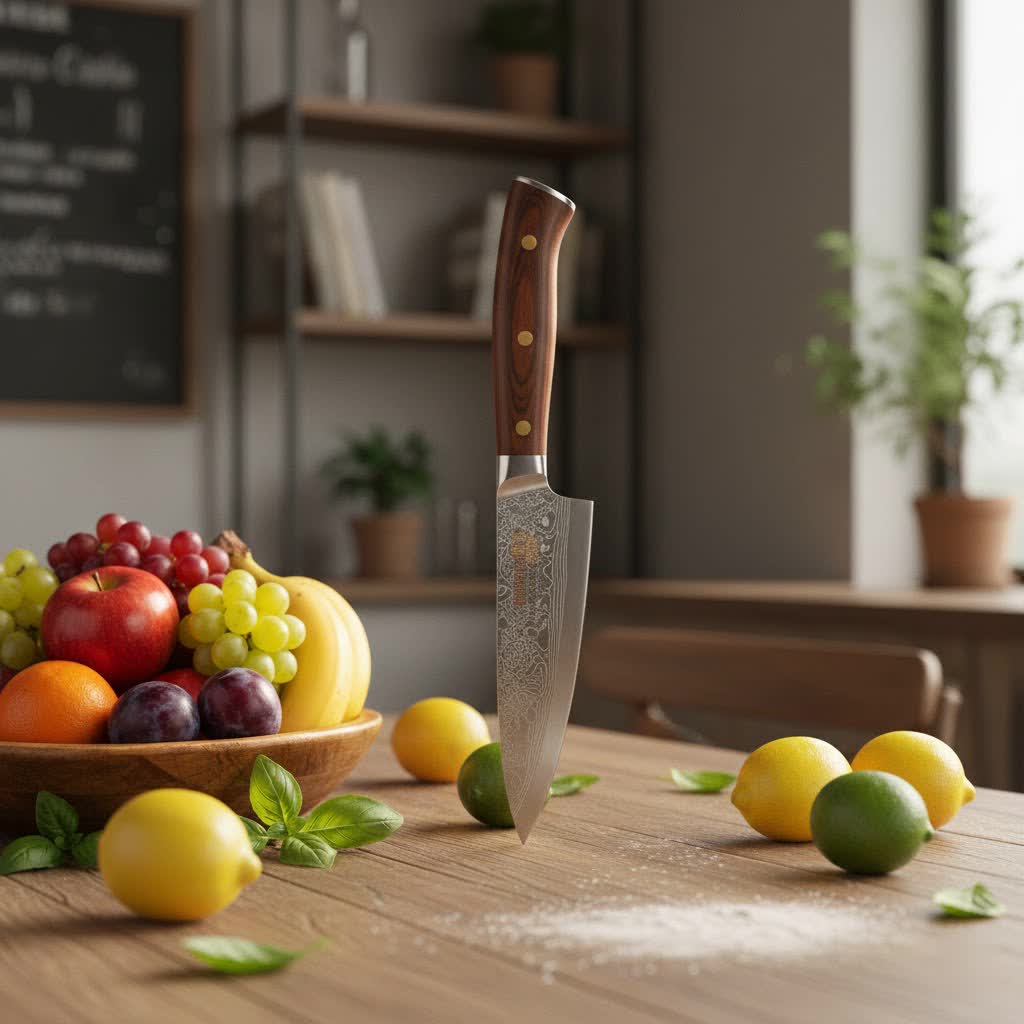
What truly separates a professional cook knife from a standard kitchen knife? It’s a combination of meticulous craftsmanship, advanced materials, and an ergonomic design that prioritizes performance and comfort. While any knife can cut, a pro cook knife is engineered to deliver consistent, superior results, withstand the test of time, and reduce fatigue during extensive use. It’s built for those who demand reliability and precision every single day.
Beyond Sharpness: The Pillars of Pro Knife Excellence
The foundation of any great knife begins with its blade, but it’s the sum of its parts that makes a pro cook knife truly stand out.
- Blade Material: The choice of steel profoundly impacts a knife’s performance. High-carbon stainless steel is often hailed as the sweet spot, offering an excellent balance of sharpness, edge retention, and corrosion resistance. Steel types like VG-10 and X50CrMoV15 are frequently used in professional-grade cutlery, providing a sharp edge that holds up well. Carbon steel, while incredibly sharp and capable of holding an edge for longer, requires more diligent care to prevent rust and staining. Damascus steel, recognized for its distinctive layered patterns, often combines the benefits of high-carbon steel with stunning aesthetics, making it a favorite for those who appreciate both form and function.
- Handle Ergonomics: A knife’s handle is where control meets comfort. Professional cook knives feature ergonomically designed handles that fit naturally in the hand, minimizing strain during long prep sessions. Materials range from durable, hygienic synthetic compounds (like G10 or POM) that offer superior grip even when wet, to traditional stabilized wood that provides a warm, classic feel. The handle should feel secure, allowing for precise maneuvers without slippage.
- Construction: The way a knife is built speaks volumes about its quality. Most pro cook knives are “forged,” meaning they are crafted from a single piece of steel that’s heated and hammered into shape. This process creates a stronger, more durable blade with a bolster – the thickened area where the blade meets the handle – which adds balance and acts as a finger guard. A “full tang” design, where the blade metal extends the full length and width of the handle, ensures exceptional strength and balance, preventing the blade from separating from the handle under stress.
- Balance and Weight: A well-balanced pro cook knife feels almost weightless in your hand, allowing for effortless control. The weight should be evenly distributed between the blade and the handle, enabling smooth rocking motions and precise cuts without unnecessary wrist strain. As culinary expert Chef Anton Dubois puts it, “A truly professional cook knife disappears in your hand. You shouldn’t feel its weight; you should only feel the ingredient you’re cutting.”
|
Our Picks for the Best Chefs Knife in 2026
As an Amazon Associate I earn from qualifying purchases.
|
||
| Num | Product | Action |
|---|---|---|
| 1 | HOSHANHO Kitchen Knife in Japanese High Carbon Steel, Professional High-Class Chef's Knife 8 inch, Non-slip Ultra Sharp Cooking Knives with Ergonomic Handle |

|
| 2 | Mercer Culinary M22608 Millennia Black Handle, 8-Inch, Chef's Knife |
|
| 3 | MOSFiATA 8" Super Sharp Professional Chef's Knife with Finger Guard and Knife Sharpener, German High Carbon Stainless Steel EN1.4116 with Micarta Handle and Gift Box |
|
| 4 | HENCKELS Classic Razor-Sharp 8-inch Chef Knife, German Engineered Informed by 100+ Years of Mastery |
|
| 5 | Cuts Like Butter 6.2 Inch Meat Cleaver Butcher Knife with Leather Sheath, Wooden Gift Box, Full Tang High Carbon Steel Japanese Chef Knife for Kitchen Outdoor, Gifts for Women Men Christmas Birthday |
|
| 6 | Victorinox Swiss Army 5.2063.20-X14 Fibrox Chef's Knife Black 8 in |
|
| 7 | Okami Blades Classic Chef Knife 8 Inch – Japanese AUS 8 Steel Gyuto Knife, Ultrasharp & Perfectly Balanced Kitchen Knife with Rosewood & Ebony Handle for All Your Kitchen Tasks |
|
| 8 | imarku Japanese Chef Knife - Sharp Kitchen Knife 8 Inch Chef's Knives HC Steel Paring Knife, Unique Gifts for Men and Women, Gifts for Mom or Dad, Kitchen Gadgets with Gift Box, Gyutou Knives |
|
| 9 | 8 Inch Professional Chef Knife with Leather Sheath, Ultra Sharp Kitchen Knife with G10 Handle,Full Tang, Gyuto Style for Home Cooking and Outdoor BBQ, for Men and Women |
|
| 10 | PAUDIN Chef Knife, 8 Inch High Carbon Stainless Steel Sharp Kitchen Knife with Ergonomic Handle, Gift Box for Family & Restaurant |
|
A Global Perspective: Types of Pro Cook Knives for Every Task
While the term “pro cook knife” often brings to mind a standard chef’s knife, the professional kitchen employs a variety of specialized blades, each designed for specific tasks. Understanding these variations helps you choose the right tool for the job.
The Versatile Workhorses: German vs. Japanese Chef’s Knives
The most fundamental distinction in chef’s knives lies between their German and Japanese origins, each with a unique philosophy and design.
- German Style: Characterized by a robust, heavier blade with a pronounced curve along the edge. This design encourages a “rocking” motion, making it ideal for chopping and mincing large quantities of vegetables and meats. German knives are generally tougher, more forgiving, and excellent for tasks requiring a bit more brute force. Brands like Wüsthof and Zwilling J.A. Henckels are stalwarts of this style.
- Japanese Style (Gyuto, Santoku): Japanese knives, such as the Gyuto (similar to a Western chef’s knife but often thinner and lighter) and the Santoku (meaning “three virtues” for slicing, dicing, and mincing), feature a thinner, harder blade with a sharper edge angle. They excel at precise slicing and push-cutting, delivering incredibly clean cuts. Their lighter weight and agility make them favorites for intricate tasks and delicate ingredients. Brands like MAC and Shun are renowned for their Japanese-style blades.
Beyond the Chef’s Knife: Essential Specialty Blades
While the chef’s knife is the kitchen’s MVP, other specialized pro cook knives are indispensable for specific culinary challenges.
- Paring Knife: Small, agile, and razor-sharp, the paring knife is perfect for intricate tasks like peeling fruits and vegetables, deveining shrimp, or creating delicate garnishes. Its short blade provides unmatched control.
- Boning Knife: Designed with a thin, flexible, or stiff blade, a boning knife makes separating meat from bone and trimming fat an efficient and precise operation. Its tapered shape allows it to glide along contours with ease.
- Serrated Knife: While a chef’s knife handles many slicing tasks, a serrated knife is specifically designed for foods with tough exteriors and soft interiors, like crusty bread, ripe tomatoes, or delicate pastries. The serrations saw through without crushing.
The Art of Handling: Techniques for Using Your Pro Cook Knife
A great pro cook knife deserves to be wielded correctly. Proper technique not only improves efficiency and precision but also significantly enhances safety.
Mastering the Grip: The Pinch Grip and Its Benefits
The “pinch grip” is the gold standard for professional chefs. Instead of gripping the handle like a baseball bat, you pinch the heel of the blade between your thumb and forefinger, with the remaining fingers wrapped comfortably around the handle. This grip offers superior control over the blade, allowing for more precise movements and reducing the risk of slippage. It also engages your arm and shoulder more, taking pressure off your wrist.
Cutting Techniques: Rocking, Slicing, Dicing, Mincing
Different cutting tasks call for different techniques:
- Rocking Motion: Common with German-style chef’s knives, this involves keeping the tip of the blade on the cutting board and rocking the knife up and down to chop through ingredients.
- Slicing (Push-Cut): Often used with Japanese-style knives, this technique involves pushing the blade forward and down through the food, utilizing the full length of the blade for clean, precise cuts.
- Dicing and Mincing: These involve repetitive, controlled cuts. Dicing creates uniform cubes, while mincing produces very fine pieces, often for aromatics like garlic or herbs. Consistent knife control is key to achieving uniform results.
Preserve Your Edge: Care and Maintenance for Pro Cook Knives
Even the highest quality pro cook knife requires diligent care to maintain its peak performance and longevity. Neglecting maintenance can quickly turn a premium blade into a frustrating tool.
Daily Ritual: Honing for Peak Performance
Honing is not sharpening, but it’s crucial for keeping your knife “professionally” sharp. Regular use causes the microscopic edge of a knife to bend and misalign. A honing rod, usually made of steel or ceramic, realigns this edge, bringing it back to a perfectly straight line. Make it a habit to hone your pro cook knife for a few strokes before each use; it only takes seconds but makes a world of difference in cutting efficiency.
Periodic Tune-up: When and How to Sharpen
While honing realigns the edge, sharpening removes metal to create a new, sharper edge. Over time, even with regular honing, your pro cook knife will eventually lose its keenness. The frequency depends on use, but a good quality knife might need sharpening every few months to a year for a home cook, or more often for a professional. Options include whetstones (for precision and a very fine edge), pull-through sharpeners (convenient but less precise), or professional sharpening services.
Cleaning and Storage: Best Practices
- Hand Wash Immediately: Always hand wash your pro cook knife immediately after use with warm, soapy water and dry it thoroughly. Dishwashers can damage blades (especially carbon steel) and handles due to harsh detergents and high heat.
- Proper Storage: Store your knives safely to protect their edges and prevent accidents. Magnetic strips, knife blocks, in-drawer organizers, or individual blade guards are excellent options. Avoid tossing them into a drawer where they can bump against other utensils, dulling the edge and posing a safety hazard.
Choosing Your Culinary Partner: Tips for Buying the Right Pro Cook Knife
Selecting the perfect pro cook knife is a personal journey. With so many excellent options available, here’s how to navigate the choices and find your ideal culinary companion.
- Assess Your Needs: Consider your cooking style, how frequently you cook, and the types of tasks you perform most often. Do you primarily chop vegetables, or do you frequently break down large cuts of meat? This will guide your choice of blade style and length.
- Consider the Feel: If possible, hold different knives in your hand. Pay attention to the balance, weight, and handle comfort. A knife should feel like a natural extension of your arm, not an awkward tool. What feels good to one chef might not feel good to another, so personal preference is paramount.
- Budget vs. Investment: While cheap knives exist, a quality pro cook knife is an investment. Expect to pay more for superior materials, craftsmanship, and ergonomic design. A well-cared-for professional knife can last a lifetime, often outperforming several cheaper alternatives.
- Expert Insight: What to Look for in Brands: Reputable brands like Wüsthof, Zwilling J.A. Henckels, MAC, Shun, and Global consistently produce high-quality pro cook knives. Researching their specific lines and materials can help you make an informed decision. Look for consistent positive reviews and a strong warranty.
FAQs: Your Pro Cook Knife Questions Answered
Q: How often should I sharpen my pro cook knife?
A: For home cooks, sharpening your pro cook knife every 6-12 months is generally sufficient, depending on usage. Professional chefs might sharpen more frequently, sometimes every few weeks. Regular honing, however, should be done before almost every use to maintain the edge.
Q: Is a heavier knife always better for professional cooking?
A: Not necessarily. While heavier German-style knives can provide more chopping power, lighter Japanese-style knives offer superior agility and precision. The “best” weight depends on your personal preference, cutting style, and the tasks you perform. A well-balanced knife is always more important than raw weight.
Q: What’s the best blade material for a beginner pro cook?
A: High-carbon stainless steel is often recommended for beginners. It offers an excellent balance of sharpness, edge retention, and resistance to corrosion, making it easier to maintain than pure carbon steel while still providing professional-grade performance.
Q: Can I put my professional knife in the dishwasher?
A: No, you should never put your pro cook knife in the dishwasher. The harsh detergents, high heat, and jostling can dull the blade, damage the handle (especially wood), and cause corrosion, even on stainless steel. Always hand wash and dry immediately.
Q: What is a full tang, and why is it important for a pro cook knife?
A: A full tang means the blade steel extends all the way through the handle, matching its shape and length. This construction method provides superior strength, durability, and balance, making the knife more robust and less likely for the blade to separate from the handle over time. It’s a hallmark of a high-quality pro cook knife.
Unleash Your Inner Chef
The journey to culinary mastery is continuously evolving, and your tools play an indispensable role in that evolution. A pro cook knife is more than just a cutting implement; it’s a statement of dedication to your craft, a symbol of precision, and a key to unlocking new levels of creativity in the kitchen. By understanding what makes these knives exceptional, choosing the right one for your needs, and committing to its proper care, you’re not just buying a knife – you’re investing in countless moments of culinary satisfaction. So go ahead, find that perfect pro cook knife, embrace its potential, and let it inspire you to chop, slice, and create with confidence and joy.
