In the bustling world of modern kitchens, where convenience often takes center stage, there’s a timeless tool making a powerful comeback: the carbon steel chef knife. For those who truly understand the art of cooking, this isn’t just another utensil; it’s a testament to tradition, a beacon of performance, and a gateway to unparalleled culinary precision. If you’ve ever found yourself pondering the choice between the ubiquitous stainless steel and its more enigmatic, high-carbon cousin, you’re in the right place. We’re here to unravel the mystique, celebrate the advantages, and demystify the care that makes a carbon steel chef knife a true kitchen legend.
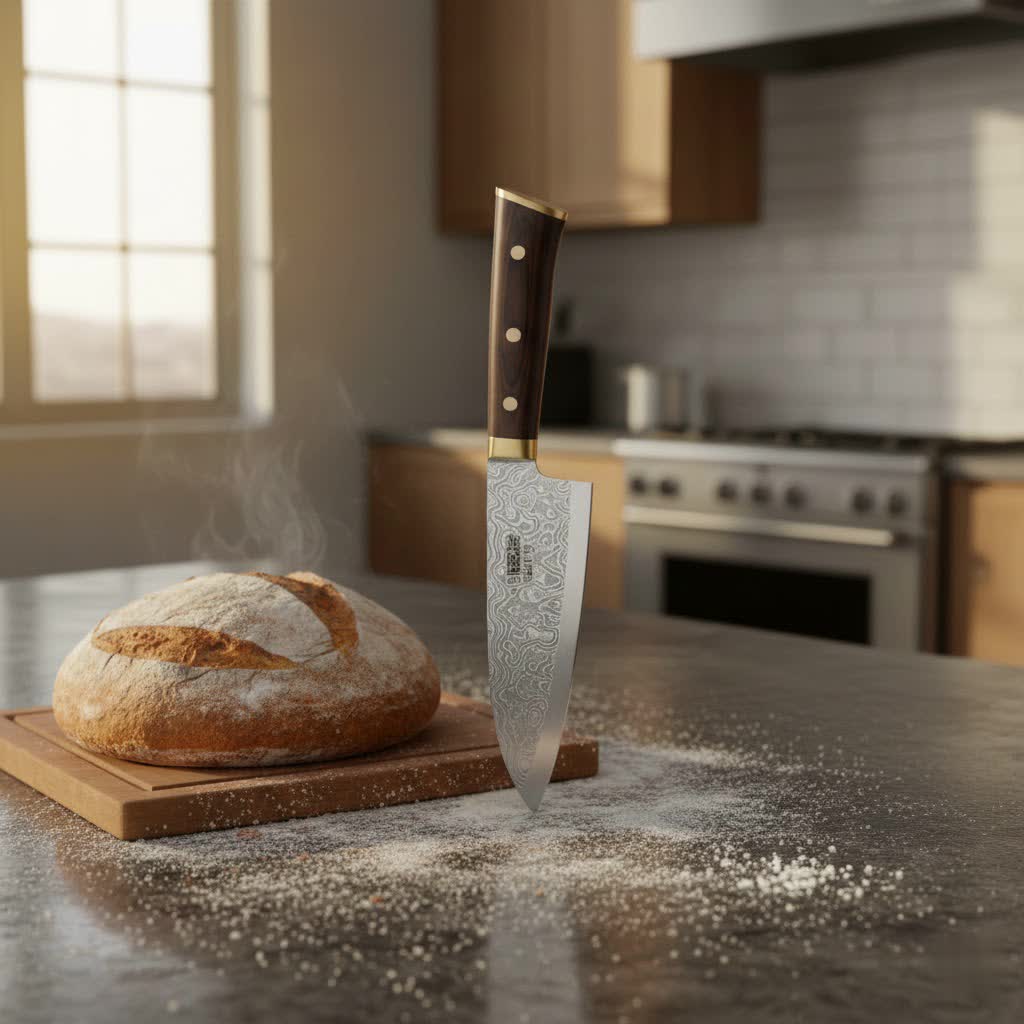
A Cut Above: The Enduring Legacy of the Carbon Steel Chef Knife
Knives, in their most rudimentary forms, have been indispensable tools for humanity since prehistoric times, with early iterations crafted from bone and obsidian. The true genesis of modern blades, however, began with the discovery and refinement of steel—an alloy primarily composed of iron and carbon. As far back as 1800 BC, early civilizations were already forging steel artifacts, constantly experimenting with composition and heat treatment to create superior cutting edges. For centuries, carbon steel remained the material of choice for artisans and chefs, celebrated for its ability to yield incredibly sharp and durable blades.
The 20th century saw a shift in preference with the advent of stainless steel, which offered the undeniable appeal of lower maintenance and rust resistance. Yet, the discerning cook never truly forgot the unique qualities of carbon steel. In recent years, fueled by a renewed appreciation for craftsmanship, performance, and lasting quality, carbon steel chef knives have experienced a significant resurgence. Thanks to modern metallurgy, these traditional blades are now reaching peak performance, offering a blend of heritage and cutting-edge technology.
The Heart of the Blade: What Makes a Carbon Steel Chef Knife Unique?
At its core, a carbon steel chef knife is a marvel of metallurgical simplicity and effectiveness. Unlike stainless steel, which incorporates a significant amount of chromium (typically 10.5% or more) to prevent rust, carbon steel boasts a simpler composition. It’s primarily an alloy of iron and a higher percentage of carbon, usually ranging from 0.5% to 1.5%. This higher carbon content is the secret ingredient, allowing the steel to be hardened to an impressive degree, often reaching 58-65 on the Rockwell hardness scale (HRC).
This specific composition contributes to a remarkably fine grain structure within the steel. This finer grain is crucial, as it enables the blade to be honed to an exceptionally acute angle, often between 8 and 15 degrees, significantly sharper than the typical 15-20 degrees found in most Western stainless steel knives. The result is an edge that slices through ingredients with minimal resistance and extraordinary precision.
One of the most distinctive characteristics of a carbon steel blade is its ability to develop a “patina.” This isn’t rust, but rather a beautiful, often mottled gray-blue discoloration that forms naturally over time with use. This patina isn’t just for aesthetics; it actually serves as a protective barrier, making the blade more resistant to further, undesirable oxidation (rust). It’s a visual autobiography of your knife, telling the story of every meal prepared and every ingredient transformed.
The Edge of Excellence: Why Choose a Carbon Steel Chef Knife?
Opting for a carbon steel chef knife is a declaration of commitment to culinary excellence. The benefits often far outweigh the perceived drawbacks for those serious about their cooking.
Unparalleled Sharpness and Edge Retention
|
Our Picks for the Best Chefs Knife in 2026
As an Amazon Associate I earn from qualifying purchases.
|
||
| Num | Product | Action |
|---|---|---|
| 1 | Victorinox Swiss Army 5.2063.20-X14 Fibrox Chef's Knife Black 8 in |

|
| 2 | PAUDIN Chef Knife, 8 Inch High Carbon Stainless Steel Sharp Kitchen Knife with Ergonomic Handle, Gift Box for Family & Restaurant |
|
| 3 | MOSFiATA 8" Super Sharp Professional Chef's Knife with Finger Guard and Knife Sharpener, German High Carbon Stainless Steel EN1.4116 with Micarta Handle and Gift Box |
|
| 4 | Mercer Culinary M22608 Millennia Black Handle, 8-Inch, Chef's Knife |
|
| 5 | imarku Japanese Chef Knife - Sharp Kitchen Knife 8 Inch Chef's Knives HC Steel Paring Knife, Unique Gifts for Men and Women, Gifts for Mom or Dad, Kitchen Gadgets with Gift Box, Gyutou Knives |
|
| 6 | 8 Inch Professional Chef Knife with Leather Sheath, Ultra Sharp Kitchen Knife with G10 Handle,Full Tang, Gyuto Style for Home Cooking and Outdoor BBQ, for Men and Women |
|
| 7 | Okami Blades Classic Chef Knife 8 Inch – Japanese AUS 8 Steel Gyuto Knife, Ultrasharp & Perfectly Balanced Kitchen Knife with Rosewood & Ebony Handle for All Your Kitchen Tasks |
|
| 8 | Cuts Like Butter 6.2 Inch Meat Cleaver Butcher Knife with Leather Sheath, Wooden Gift Box, Full Tang High Carbon Steel Japanese Chef Knife for Kitchen Outdoor, Gifts for Women Men Christmas Birthday |
|
| 9 | HENCKELS Classic Razor-Sharp 8-inch Chef Knife, German Engineered Informed by 100+ Years of Mastery |
|
| 10 | HOSHANHO Kitchen Knife in Japanese High Carbon Steel, Professional High-Class Chef's Knife 8 inch, Non-slip Ultra Sharp Cooking Knives with Ergonomic Handle |
|
The most compelling reason to choose a carbon steel chef knife is its superior cutting ability. Thanks to its fine grain structure and high hardness, carbon steel can be sharpened to an extraordinarily keen edge that is simply unmatched by most stainless steel alternatives. This razor-sharpness makes slicing, dicing, and mincing an absolute joy, transforming mundane tasks into effortless culinary artistry. Moreover, once sharpened, a well-made carbon steel blade maintains its acute edge significantly longer, reducing the frequency of extensive sharpening.
Effortless Sharpening
Despite holding its edge longer, when the time does come to refresh your blade, carbon steel is surprisingly forgiving. Its inherent hardness and fine grain make it considerably easier to sharpen at home using traditional whetstones compared to many stainless steels. This means you can quickly bring your knife back to its peak performance with less effort and greater control, rather than struggling against a resistant, chromium-rich alloy.
Superior Tactile Feedback
Many professional chefs and cooking enthusiasts describe a distinct “feel” when working with carbon steel. The way it moves through food provides a unique responsiveness, offering a tactile connection to the ingredient that can enhance precision and control. This isn’t just about cutting; it’s about experiencing the cut.
A Timeless Aesthetic
Beyond performance, there’s an undeniable charm to the classic aesthetic of a carbon steel chef knife. As it develops its unique patina, the blade transforms, acquiring a character and history that mass-produced stainless steel knives simply cannot replicate. Each mark and discoloration tells a story, making your knife a truly personal and cherished tool in your kitchen.
Embracing the Responsibility: Downsides and Demands of Carbon Steel Chef Knives
While the advantages are significant, owning a carbon steel chef knife is a commitment. It demands a level of attention that some find daunting, but which ultimately fosters a deeper appreciation for the tool.
Prone to Rust and Stains
The trade-off for carbon steel’s superior sharpness and edge retention is its vulnerability to rust and staining. Without the protective chromium found in stainless steel, carbon steel blades will quickly oxidize if left wet or exposed to moisture. This means they are absolutely not dishwasher safe and cannot be left soaking in the sink. Neglecting immediate drying is a surefire way to invite unsightly and damaging rust spots.
Higher Maintenance Requirements
To keep a carbon steel chef knife in pristine, high-performing condition, regular maintenance is essential. This involves not just drying, but also occasional oiling and mindful usage. This might feel like an added chore to some, but for others, it’s a rewarding ritual that connects them more deeply with their culinary tools.
Reactivity with Acidic Foods
Due to its chemical makeup, carbon steel can react with acidic ingredients such as lemons, tomatoes, onions, or vinegars. Before a protective patina has fully developed, this reaction can sometimes impart a metallic taste to food or cause immediate discoloration on the blade. While harmless, it’s a characteristic to be aware of and managed through prompt cleaning.
More Brittle by Nature
Despite their strength, carbon steel knives can be more brittle than their stainless steel counterparts. This means they are more susceptible to chipping if dropped, if used to pry, or if cutting through extremely hard items like frozen foods, bones, or tough gourds. Similarly, using them on hard cutting surfaces such as glass, stone, or ceramic can quickly damage the delicate edge. It’s crucial to use your carbon steel chef knife for its intended purpose: precise slicing and dicing on appropriate surfaces.
Mastering the Art of Care: Sharpening and Preserving Your Carbon Steel Chef Knife
Caring for a carbon steel chef knife is not a burden; it’s a ritual that ensures your blade remains a high-performance partner for years to come.
Immediate Cleaning and Drying
The golden rule of carbon steel care is to clean and dry your knife immediately after every use. During cooking, especially when working with acidic ingredients, wipe the blade down with a clean cloth. As soon as you finish, wash the knife with warm, soapy water and a soft sponge or cloth. Absolutely never put it in the dishwasher or leave it soaking in the sink. Hand-dry it thoroughly with a clean dishtowel right away. The residual heat from washing can aid in evaporation, further preventing moisture retention.
Regular Oiling
To provide an extra layer of protection against moisture and prevent rust, apply a thin sheen of food-grade mineral oil to your carbon steel blade. This should be done whenever the blade appears dry, after working with acidic foods, or typically every one to two weeks with regular use.
Honing for Edge Maintenance
Honing is key to maintaining your knife’s edge between sharpenings. A honing rod (ceramic is often recommended) or a leather strop helps to realign the microscopic burrs on the blade’s edge, bringing it back to optimal performance. Aim to hone your knife before each use, or as soon as you notice a slight decrease in cutting efficiency (e.g., sliding on a tomato skin rather than slicing cleanly). This proactive approach significantly extends the time before a full sharpening is needed.
The Art of Sharpening
When honing no longer restores the edge, it’s time for sharpening. For carbon steel, waterstones are highly recommended. They provide excellent control and allow you to achieve a truly fine edge. Aim for a consistent angle, typically between 15-20 degrees for most kitchen knives, and apply even, moderate pressure. Avoid aggressive electric or pull-through sharpeners, as these can remove too much material and potentially damage the harder, more brittle carbon steel edge. Sharpening should be a less frequent task than honing, perhaps only a couple of times a year, depending on use.
Proper Storage
Protecting your blade when not in use is vital. Store your carbon steel chef knife in a knife block, on a magnetic strip, or in a knife roll with edge guards. This prevents the blade from coming into contact with other utensils, which can dull or chip the edge, and keeps it safely away from moisture.
Mindful Cutting Surfaces
Always use cutting boards made from wood, soft plastic, or rubber. Hard surfaces like glass, ceramic, stone, or marble are extremely detrimental to any knife edge, but particularly so for the more brittle carbon steel. These materials will quickly dull and potentially chip your blade.
Appropriate Use
Your carbon steel chef knife is a precision instrument. Reserve it for tasks like slicing vegetables, mincing herbs, and preparing meats without bone. For tougher jobs like cutting through bones, frozen foods, or crusty bread, reach for specialized tools like a cleaver, bone saw, or serrated knife to protect your delicate carbon steel edge.
Choosing Your Culinary Partner: Tips for Selecting a Carbon Steel Chef Knife
Ready to welcome a carbon steel chef knife into your kitchen? Here’s how to choose the right one:
- Assess Your Commitment: Be honest with yourself about your willingness to perform the necessary maintenance. If you’re someone who values performance and is comfortable with a bit of extra care, a carbon steel knife will reward you immensely.
- Consider Blade Length: While chef knives come in various lengths, an 8-inch blade is often an excellent starting point. It offers a great balance of versatility for most kitchen tasks, providing enough length for efficient slicing without being cumbersome in smaller workspaces.
- Handle with Care: The handle material and ergonomics are crucial for comfort and control. Look for a full-tang construction, where the blade metal extends through the entire handle, for optimal balance and durability. Traditional materials like pakkawood or other hardwoods offer both beauty and a secure grip.
- Explore Reputable Brands: Brands such as Misono, Zwilling (especially their clad carbon steel options like Kanren), Hast, Dalstrong, Wusthof, and Japanese makers like Hatsukokoro are known for producing quality carbon steel knives. Researching their specific lines can help you find a knife that fits your needs and budget.
- Traditional vs. Hybrid: If the maintenance aspect still gives you pause, consider hybrid options. Some knives feature a high-carbon steel core clad with softer stainless steel, offering many of the benefits of carbon steel (sharpness, edge retention) with increased rust resistance and resilience.
- Understand Rockwell Hardness (HRC): A higher HRC generally indicates a harder blade that will hold an edge longer. For carbon steel chef knives, an HRC in the high 50s to mid-60s is desirable.
- Set a Budget: Carbon steel chef knives are available across a wide price spectrum. You can find excellent entry-level options as well as high-end, artisan-crafted blades. Determine what you’re willing to invest, knowing that a quality carbon steel knife is a long-term investment in your culinary journey.
As Chef Elias Thorne, a respected culinary historian and master bladesmith, often says, “A carbon steel chef knife isn’t just a tool; it’s a living canvas in your kitchen. Every slice, every ingredient, leaves its mark, telling a story of meals shared and skills honed. Its demanding nature isn’t a flaw, but an invitation to truly connect with your craft.”
Frequently Asked Questions
What is the primary difference between carbon steel and stainless steel chef knives?
The main difference lies in their composition and properties. Carbon steel has a higher carbon content and less chromium, allowing for a sharper edge and better edge retention, but requiring more maintenance due to its susceptibility to rust. Stainless steel contains more chromium, making it rust-resistant and lower maintenance, but generally harder to sharpen to the same fine edge.
How often should I sharpen my carbon steel chef knife?
With regular honing (which you should do frequently, even daily), a carbon steel chef knife might only need full sharpening on a whetstone once or twice a year, depending on usage. Honing realigns the edge, while sharpening removes material to create a new, fresh edge.
Can I put my carbon steel knife in the dishwasher?
Absolutely not. Carbon steel knives are highly susceptible to rust and damage from the harsh detergents, high heat, and moisture of a dishwasher. They must be hand-washed and immediately hand-dried after every use.
What is a patina on a carbon steel knife, and should I remove it?
A patina is a natural, protective discoloration (often gray-blue) that forms on carbon steel blades over time. It’s desirable because it helps protect the blade from rust. You should not try to remove a healthy patina, as it contributes to the knife’s character and protective qualities.
What kind of cutting board is best for carbon steel knives?
The best cutting boards for carbon steel knives are made of wood, soft plastic, or rubber. These materials are gentle on the blade’s edge. Avoid hard surfaces like glass, stone, marble, or ceramic, which can quickly dull or chip your knife.
Do carbon steel knives react with food?
Yes, carbon steel can react with acidic foods (like citrus, tomatoes, or onions), potentially causing temporary discoloration on the blade or, rarely, a slight metallic taste in the food, especially before a protective patina has fully developed. Prompt cleaning after cutting acidic foods helps minimize this.
The Journey Begins: Embrace Your Carbon Steel Chef Knife
Choosing a carbon steel chef knife is more than just selecting a kitchen tool; it’s embracing a philosophy. It’s a choice for unparalleled sharpness, exceptional edge retention, and a deeper connection to your culinary passion. Yes, it demands a little more attention, but this “extra” care is a small price to pay for a tool that will elevate your cooking experience and stand the test of time, becoming a cherished heirloom in your kitchen. So, take the plunge, master the care, and unleash the precision that only a carbon steel chef knife can offer. Your taste buds, and your cooking, will thank you.
