Stepping into the world of Japanese knives can feel like unlocking a new level in your culinary journey, and at its heart often lies the incredible gyuto knife. If you’ve ever wondered about that sleek, ultra-sharp blade that seems to glide through ingredients with effortless grace, you’re likely thinking of the gyuto. Often hailed as the Japanese answer to the Western chef’s knife, this versatile workhorse is far more than just a kitchen tool; it’s a testament to centuries of meticulous craftsmanship and a game-changer for anyone serious about their cooking. Here at Reviewrdouk Kitchen, we believe in empowering you with the knowledge to choose and wield your tools with confidence, and the gyuto knife is an absolute essential for any discerning chef or passionate home cook.
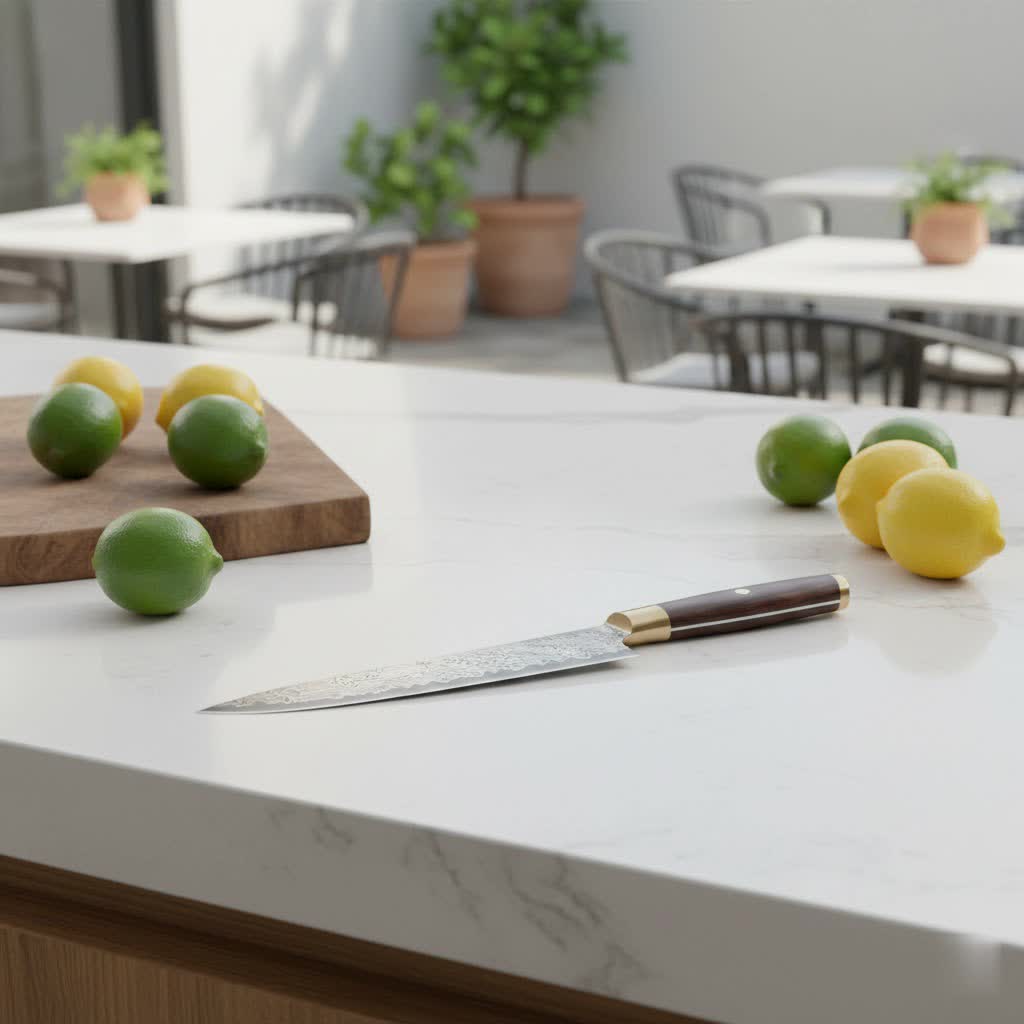
The Storied Past: A Brief History of the Gyuto Knife
To truly appreciate the gyuto, we need to take a quick trip back in time to Japan’s Meiji period (1868-1912). This was an era of profound change, as Japan opened its doors to the West after centuries of isolation. Western influences swept through the country, and with them came new dietary habits, including a greater consumption of meat, especially beef. Traditional Japanese cuisine had relied on highly specialized knives for fish and vegetables, but a new need arose for a versatile, all-purpose blade capable of handling these larger cuts of meat.
Enter the gyuto, which literally translates to “cow sword” or “beef knife.” What’s fascinating is that the artisans who first developed these knives were often the very same samurai swordsmiths whose livelihoods had been impacted by the ban on carrying swords. They applied their unparalleled expertise in metallurgy and blade forging to this new culinary challenge, adapting the design of the French chef’s knife with a distinct Japanese sensibility. The result was a lighter, thinner, and incredibly sharp blade that quickly became indispensable in kitchens across Japan and, eventually, the world. It represented an evolution, bridging traditional Japanese craftsmanship with Western utility to create a new culinary icon.
Gyuto vs. Western Chef’s Knife: A Tale of Two Blades
While the gyuto and the traditional Western chef’s knife might look similar at first glance, they are distinctly different instruments, each optimized for specific cutting philosophies and techniques. Understanding these differences is key to appreciating why a gyuto knife deserves a spot in your collection.
Blade Profile and Geometry
|
Our Picks for the Best Chefs Knife in 2026
As an Amazon Associate I earn from qualifying purchases.
|
||
| Num | Product | Action |
|---|---|---|
| 1 | PAUDIN Chef Knife, 8 Inch High Carbon Stainless Steel Sharp Kitchen Knife with Ergonomic Handle, Gift Box for Family & Restaurant |

|
| 2 | HENCKELS Classic Razor-Sharp 8-inch Chef Knife, German Engineered Informed by 100+ Years of Mastery |
|
| 3 | HOSHANHO Kitchen Knife in Japanese High Carbon Steel, Professional High-Class Chef's Knife 8 inch, Non-slip Ultra Sharp Cooking Knives with Ergonomic Handle |
|
| 4 | Cuts Like Butter 6.2 Inch Meat Cleaver Butcher Knife with Leather Sheath, Wooden Gift Box, Full Tang High Carbon Steel Japanese Chef Knife for Kitchen Outdoor, Gifts for Women Men Christmas Birthday |
|
| 5 | imarku Japanese Chef Knife - Sharp Kitchen Knife 8 Inch Chef's Knives HC Steel Paring Knife, Unique Gifts for Men and Women, Gifts for Mom or Dad, Kitchen Gadgets with Gift Box, Gyutou Knives |
|
| 6 | Okami Blades Classic Chef Knife 8 Inch – Japanese AUS 8 Steel Gyuto Knife, Ultrasharp & Perfectly Balanced Kitchen Knife with Rosewood & Ebony Handle for All Your Kitchen Tasks |
|
| 7 | 8 Inch Professional Chef Knife with Leather Sheath, Ultra Sharp Kitchen Knife with G10 Handle,Full Tang, Gyuto Style for Home Cooking and Outdoor BBQ, for Men and Women |
|
| 8 | MOSFiATA 8" Super Sharp Professional Chef's Knife with Finger Guard and Knife Sharpener, German High Carbon Stainless Steel EN1.4116 with Micarta Handle and Gift Box |
|
| 9 | Mercer Culinary M22608 Millennia Black Handle, 8-Inch, Chef's Knife |
|
| 10 | Victorinox Swiss Army 5.2063.20-X14 Fibrox Chef's Knife Black 8 in |
|
A primary distinction lies in their blade profile. A gyuto knife typically boasts a thinner, more agile blade that transitions from a relatively flat heel section into a gentle, continuous curve towards a pointed tip. This geometry makes it superb for precision slicing, push-cutting, and delicate tasks where minimal friction is desired. Think about gliding through a perfect cut of sashimi or finely julienning vegetables. In contrast, Western chef’s knives often have a thicker, heavier blade with a more pronounced curve from heel to tip, which is ideal for the “rock-chopping” motion commonly used for mincing herbs or processing larger quantities of ingredients.
Steel and Edge
The heart of any knife is its steel, and here gyutos truly stand apart. Japanese gyuto knives are often forged from harder, high-carbon steels like VG-10, AUS-10, SG2, Aogami (Blue Steel), or Shirogami (White Steel). This harder steel allows for a much finer, sharper edge that holds its keenness for longer, offering unparalleled cutting performance. The trade-off? These harder steels can be more brittle and require more careful handling and maintenance, especially carbon steel variants which are prone to rust if not meticulously cared for. Western chef’s knives, on the other hand, typically utilize softer, more flexible stainless steels. While easier to sharpen and more forgiving in terms of maintenance, they tend to dull more quickly and can’t achieve the same razor-sharp edge as their Japanese counterparts.
Edge Angle
This is where the rubber meets the road—or rather, the edge meets the cutting board. Gyuto knives are traditionally ground to a much more acute edge angle, often between 12-15 degrees per side, and sometimes even feature an asymmetrical bevel (e.g., 70/30) where one side is ground more steeply than the other. This extremely fine edge is what gives the gyuto its legendary sharpness. Western chef’s knives usually have a wider edge angle, typically 18-22 degrees per side, making them more robust and less susceptible to chipping, but also inherently less sharp.
Balance and Handle
The balance of a gyuto knife is often biased slightly forward towards the blade, which contributes to its agile feel and precision. Many gyutos feature traditional Japanese “wa-handles”—often octagonal or D-shaped and made from lightweight wood—designed for a comfortable, controlled grip that reduces fatigue during long prep sessions. Western chef’s knives usually have a handle-heavy balance, offering more leverage and a sense of power, and come with full-tang, riveted handles made from durable synthetic materials or composites, prioritizing robustness and stability.
Anatomy of Excellence: Key Features of a Gyuto Knife
Understanding the individual components of a gyuto knife helps you appreciate its design and choose the one that’s right for you.
Blade Length: Choosing the Right Size
Gyuto knives typically range in length from 180mm (around 7 inches) to 270mm (around 10.5 inches), with 210mm (8.25 inches) and 240mm (9.5 inches) being the most popular sizes for home cooks and professionals alike. A shorter blade offers more control for smaller hands or tighter kitchen spaces, while longer blades excel at slicing larger roasts or processing substantial amounts of ingredients. The ideal length largely depends on your personal preference, cutting board size, and the type of tasks you perform most often.
Blade Materials: The Heart of the Edge
The material of your gyuto’s blade dictates its performance and maintenance requirements.
- Carbon Steel (e.g., Aogami, Shirogami): Prized by professional chefs for their ability to achieve and hold an incredibly sharp edge. They offer a superb cutting feel but demand meticulous care to prevent rust and discoloration. If you’re committed to maintenance, these deliver unmatched performance.
- Stainless Steel (e.g., VG-10, AUS-10, SG2): Excellent for home cooks and those seeking easier maintenance. These steels are more rust-resistant and durable, making them forgiving for beginners. VG-10 offers a great balance of sharpness and ease of care, while powdered steels like SG2 provide near-carbon performance with stainless convenience, though at a higher price point.
- Damascus Steel: Often features a core of high-performance steel (like VG-10) clad with layers of softer steel, creating beautiful patterns. This combination offers both aesthetic appeal and a protective, somewhat flexible outer layer for the harder core, balancing performance with durability.
Handle Design
Gyuto handles come primarily in two styles:
- Wa-Handles (Japanese Style): Typically made of wood, these are often octagonal, D-shaped, or oval. They are lightweight, designed for a balance-forward feel, and promote precise control. Their design makes them comfortable even during extended use.
- Western Handles: Full-tang and riveted, these handles are heavier and offer a sturdy, familiar grip. They are usually made from composite materials or stabilized wood, providing durability and a robust feel.
Unleashing Precision: Essential Gyuto Knife Techniques
A gyuto knife, with its thin blade and acute edge, truly shines when wielded with proper technique. It encourages a focus on precision and delicate control over brute force.
Proper Grip
The pinch grip is paramount when using a gyuto. This involves pinching the heel of the blade between your thumb and forefinger, with your remaining fingers wrapped around the handle. This grip offers maximum control over the blade, allowing you to guide it with accuracy and stability.
Cutting Techniques
While a gyuto can handle a variety of motions, it particularly excels at:
- Push-Cutting: Ideal for vegetables, this involves pushing the blade forward and down through the ingredient. The gyuto’s flatter profile towards the heel supports this motion beautifully.
- Pull-Cutting (Slicing): For delicate proteins like fish or thinly slicing meats, the long, thin blade and acute edge allow for clean, single-pass slices with minimal tearing.
- Fine Dicing and Mincing: The pointed tip is perfect for intricate work, while the gentle curve allows for a subtle rocking motion when mincing herbs or garlic.
Safety First: Best Practices for Handling
Always prioritize safety. Keep your non-dominant hand curled into a “claw” shape, protecting your fingertips as you guide the food. Use a stable, non-slip cutting board, preferably wood or composite, as glass or stone boards can rapidly dull or even damage your gyuto’s fine edge. Remember, a sharp knife is a safe knife, as it requires less force and is less likely to slip.
Keeping It Sharp: Sharpening and Maintenance for Your Gyuto
A gyuto knife’s exceptional performance is directly tied to its sharpness. Regular maintenance is not just about extending its lifespan; it’s about making every cut a joy.
Why Regular Sharpening Matters
Even the hardest steels will eventually dull with use. A dull knife is inefficient and dangerous, forcing you to apply more pressure, increasing the risk of slips and accidents. Regular sharpening ensures your gyuto performs optimally, making your kitchen tasks easier, faster, and safer.
Recommended Tools: Whetstones
For a gyuto knife, whetstones (or water stones) are the gold standard. They provide the control and precision needed to maintain the delicate edge of Japanese steel. Avoid electric sharpeners, as they can remove too much material and often don’t cater to the specific, acute angles of a gyuto. A ceramic honing rod can be used for light touch-ups between sharpening sessions, but avoid traditional steel honing rods, which can damage harder Japanese blades.
Step-by-Step Sharpening Guide
- Soak Your Stones: Most whetstones require soaking in water until no more bubbles appear (fine-grit stones may be “splash-and-go”).
- Start Coarse: Begin with a coarse-grit stone (e.g., 400-1000 grit) to establish your bevel and remove any minor nicks.
- Maintain Angle: Hold your gyuto at the correct angle (12-15 degrees per side). Place the blade on the stone, apply gentle, consistent pressure, and push or pull the knife across the stone, covering the entire edge from heel to tip.
- Feel for the Burr: Continue on one side until you feel a “burr”—a slight curl of metal—on the opposite side of the edge.
- Switch Sides: Flip the knife and repeat the process on the other side until you feel the burr form on the first side. This indicates you’ve sharpened both sides effectively.
- Refine with Finer Grits: Move to a medium-grit (e.g., 1000-2000) and then a fine-grit (e.g., 3000-8000) stone, repeating the steps with lighter pressure to refine and polish the edge.
- Remove the Burr: Finish with alternating, extremely light strokes on the fine stone, or by gently stropping on leather, to fully remove any remaining burr. Test sharpness on a piece of paper.
“Achieving a truly sharp edge on your gyuto is a dance between patience and precision,” advises Chef Hiroki Tanaka, master bladesmith and culinary instructor. “It’s not about brute force, but about consistent angle and light touch. Once you master it, your knife becomes an extension of your will.”
Daily Care and Storage
After each use, hand wash your gyuto immediately with warm, soapy water and dry it thoroughly with a soft cloth. Never put it in a dishwasher, as harsh detergents and high heat can damage the blade and handle. Store your gyuto safely in a knife block, on a magnetic strip, or in a saya (blade sheath) to protect its delicate edge from damage and prevent accidental injury. If you own a carbon steel gyuto, a light coating of food-grade camellia oil after drying will prevent rust.
Protecting the Blade
Always use your gyuto on appropriate cutting surfaces like wood or high-quality composite. Avoid glass, stone, or ceramic cutting boards. Never use your gyuto to pry open cans, cut through bones, or chop frozen food; these tasks can easily chip the hard, thin blade.
Choosing Your Perfect Partner: Tips for Selecting a Gyuto Knife
Selecting the right gyuto is a personal journey. Here are a few tips to guide you:
- Match to Your Cooking Style: If you prioritize delicate slicing and precision, a gyuto is an excellent choice. If heavy-duty chopping and durability are your main concerns, you might prefer a Western chef’s knife or keep both in your arsenal.
- Blade Material vs. Maintenance: Be honest about your willingness to maintain the knife. If you prefer low maintenance, opt for stainless steel (VG-10, AUS-10). If you crave the absolute pinnacle of sharpness and are dedicated to care, carbon steel is your friend.
- Comfort and Balance: Always hold a knife before buying it if possible. A gyuto should feel balanced and comfortable in your hand. Pay attention to the handle shape and how it fits your grip.
- Blade Length: Consider your typical ingredients and cutting board size. A 210mm gyuto is a popular all-rounder for most home kitchens, while 240mm is favored by many professionals.
- Budget: Gyuto knives range widely in price. There are excellent entry-level options that provide superb performance for their cost, as well as high-end artisan blades that are true works of art.
Frequently Asked Questions (FAQ)
What is the best gyuto knife for a beginner?
For beginners, a gyuto knife made with VG-10 or AUS-10 stainless steel in a 210mm blade length is often recommended. These offer a great balance of sharpness, edge retention, and easier maintenance compared to carbon steel.
Can a gyuto knife replace a Western chef’s knife?
Yes, for most everyday kitchen tasks, a gyuto knife can effectively replace a Western chef’s knife. It excels at slicing, dicing, and mincing. However, for heavy-duty tasks like cutting through bones or smashing hard ingredients, a Western chef’s knife’s thicker blade and more robust construction might be preferred.
How often should I sharpen my gyuto knife?
The frequency of sharpening depends on your usage. Professional chefs might sharpen every few weeks, while home cooks might only need to sharpen every 6-12 months. Regular light honing with a ceramic rod can extend the time between full sharpenings.
Can I cut bones with a gyuto knife?
It is strongly advised not to cut bones or frozen food with a gyuto knife. Its thin, hard, and acutely angled blade is designed for precision cutting of softer ingredients and can chip or break if used on hard materials.
What’s the ideal gyuto blade length for home cooks?
For most home cooks, a gyuto blade length of 210mm (approximately 8.25 inches) offers the best versatility. It provides sufficient length for most tasks without being cumbersome in smaller kitchen spaces or for those with smaller hands.
Conclusion
The gyuto knife is more than just a tool; it’s an invitation to elevate your cooking. With its rich history, unparalleled sharpness, and remarkable versatility, it embodies the precision and artistry of Japanese blade-making. Embracing a gyuto knife means embracing a philosophy of mindful cooking, where every cut is purposeful and every ingredient is treated with respect. By understanding its nuances, caring for it properly, and honing your technique, your gyuto will undoubtedly become an indispensable and cherished partner in your culinary adventures. So go ahead, explore the world of gyuto knives, and discover the joy of truly precise cutting that will transform your kitchen experience for years to come.
