Ever gazed upon a chef’s knife and felt a tug toward something more refined, more distinctive? Then let us introduce you to the kiritsuke knife, a blade that isn’t just a tool, but a statement. In the vibrant world of Japanese culinary artistry, the kiritsuke stands out as a true masterpiece, revered for its unparalleled precision and unique heritage. It’s not merely about cutting; it’s about a dance of skill, balance, and tradition, elevating every slice and dice into an act of culinary grace. If you’re ready to delve deeper than your everyday chef’s knife, the kiritsuke knife is your next fascination.
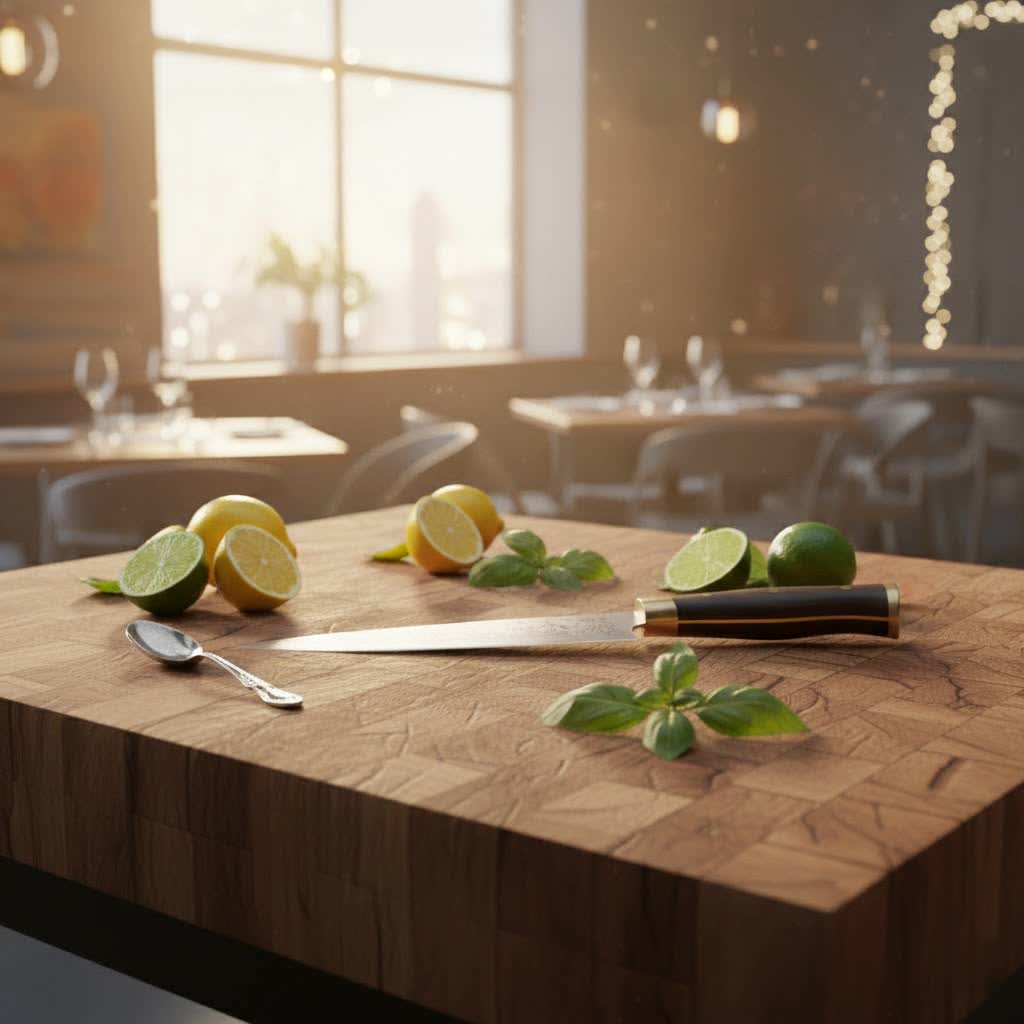
What Exactly is a Kiritsuke Knife?
At its heart, the kiritsuke knife is a hybrid, born from the fusion of two highly specialized Japanese blades: the Yanagiba, famed for slicing raw fish, and the Usuba, the master of vegetable preparation. This unique lineage grants the kiritsuke a remarkable versatility, allowing it to perform tasks that typically demand multiple knives.
Historically, the traditional kiritsuke was more than just a kitchen implement; it was a symbol of status and mastery. In professional Japanese kitchens, only the executive chef, or itamae, was permitted to wield this blade, signifying their years of experience and unparalleled skill. Imagine the respect commanded by a chef entrusted with such a distinguished tool!
Beyond its storied past, the kiritsuke knife is instantly recognizable by its distinctive physical characteristics. It typically features a long, relatively straight cutting edge, often ranging from 240mm to 330mm (about 9.5 to 13 inches), which facilitates long, clean slices. The most striking feature, however, is its “K-tip” or reverse tanto tip—an aggressively angled point that gives the blade a sword-like aesthetic and provides an additional, incredibly sharp cutting surface for intricate detail work. This combination of length, straightness, and pointed tip defines the kiritsuke’s unique profile and cutting philosophy.
Unpacking the Blade: Single vs. Double Bevel
When it comes to the kiritsuke knife, understanding its bevel is crucial, as it fundamentally impacts performance and skill requirement.
Traditionally, kiritsuke knives are single-bevel, meaning they are sharpened on one side only (usually the right side for right-handed users). This design allows for an extraordinarily acute and precise edge, capable of achieving razor-thin, clean cuts without tearing delicate ingredients. This single-bevel geometry is what makes the traditional kiritsuke a true artisan’s tool, demanding a particular technique and a deeper understanding of knife mechanics. The extreme sharpness and cutting accuracy are ideal for tasks like preparing sashimi, where every fiber of the fish must be severed cleanly.
However, to make this exceptional knife more accessible to a wider audience, modern double-bevel kiritsuke knives have emerged. Often referred to as “kiritsuke gyutos,” these blades are sharpened on both sides, much like a Western chef’s knife. While they might not offer the same hyper-specific performance as a single-bevel, they provide increased versatility and an easier learning curve for home cooks and chefs accustomed to double-edged knives. These versions retain the distinctive K-tip and blade profile, offering the aesthetic and much of the functionality of a kiritsuke with the user-friendliness of a gyuto.
Regardless of the bevel, the quality of steel is paramount. Kiritsuke knives are frequently crafted from high-carbon Japanese steels like Blue Steel (Aogami) or White Steel (Shirogami) for their exceptional edge retention and ability to achieve incredible sharpness. Many also feature stunning Damascus steel cladding, which not only adds breathtaking visual artistry but can also enhance durability and corrosion resistance. Premium modern alloys like VG-10 and SG2 powder steel are also popular, offering a balance of hardness, toughness, and ease of maintenance.
Kiritsuke Knife vs. The Western Chef’s Knife: A Tale of Two Styles
While both the kiritsuke knife and the Western chef’s knife are indispensable in the culinary world, they represent distinct philosophies in blade design and usage. The differences are more than just cosmetic; they dictate how each knife feels and performs in your hand.
The most noticeable distinction lies in their blade shape and cutting motion. A Western chef’s knife typically has a pronounced belly curve, designed to facilitate a “rocking” motion, allowing for rapid chopping and dicing. It’s a workhorse for quickly processing large volumes of ingredients. The kiritsuke knife, conversely, features a much straighter edge profile with its characteristic K-tip. This design is optimized for push-cuts and pull-cuts, where the blade is drawn or pushed straight through the ingredient, rather than rocked. This technique is ideal for achieving incredibly precise, clean slices that maintain the integrity of delicate foods.
In terms of versatility, a chef’s knife is often lauded as the ultimate all-rounder, capable of handling almost any kitchen task with reasonable efficiency. The kiritsuke knife, while versatile within Japanese culinary traditions (combining sashimi slicing and vegetable prep), truly shines in tasks demanding superior precision. It’s less about brute force and more about finesse.
“The kiritsuke isn’t just another knife; it’s a teacher,” says Chef Ren Sato, a master of modern Japanese cuisine. “It demands respect and rewards patience, forcing you to slow down and consider each cut. That deliberate approach elevates the dish and your own skill.”
Finally, difficulty and price often differentiate the two. Traditional single-bevel kiritsukes have a steeper learning curve, requiring more practice to master their unique cutting techniques and sharpening methods. Consequently, high-quality, artisan-made kiritsukes tend to be more expensive, reflecting the specialized craftsmanship and superior materials involved. A good chef’s knife is an accessible entry point for most cooks, while a kiritsuke is often an investment for those looking to deepen their culinary journey.
Mastering the Kiritsuke: Techniques for Precision
Wielding a kiritsuke knife is a culinary art form that rewards deliberate movements and a refined touch. Unlike the rocking motion often used with a Western chef’s knife, the kiritsuke shines with specific techniques.
First, the pinch grip is your best friend. Hold the knife just above the handle, pinching the blade between your thumb and forefinger, with your remaining fingers wrapped around the handle. This grip offers superior control and balance, crucial for the precise work the kiritsuke is designed for.
With its long, straight edge, the kiritsuke excels at push-cutting and pull-cutting. For push-cutting, you push the blade forward and down through the ingredient in one fluid motion. For pull-cutting (often used for sashimi), you draw the blade towards you, allowing the entire length of the sharp edge to pass through the food, creating a clean, seamless slice. The weight of the blade should do most of the work, minimizing the need for excessive pressure.
The distinctive K-tip isn’t just for show; it’s an additional cutting surface. This sharp, angled point is perfect for delicate detail work, scoring proteins, creating intricate garnishes, or making small, precise incisions. Think of it as a built-in utility knife for those moments when surgical accuracy is required. Mastering the kiritsuke knife means embracing a controlled, mindful approach to every cut.
The Kiritsuke in Action: What It Excels At
The kiritsuke knife truly comes alive when faced with specific culinary challenges, demonstrating its unique capabilities across a range of ingredients.
One of its most iconic applications is slicing sashimi and crudo. The blade’s length and incredible sharpness allow for long, uninterrupted cuts through delicate raw fish, producing glossy, paper-thin slices without bruising or tearing. This precision is essential for both the texture and visual appeal of dishes where raw fish is the star.
For vegetable preparation, the kiritsuke often takes the place of an usuba. Its straight edge is perfect for creating uniform, thin slices for stir-fries, julienning carrots, or chiffonading herbs. It allows for highly controlled cuts that ensure even cooking and beautiful presentation. Imagine effortlessly slicing a cucumber into translucent rounds or finely dicing onions with unmatched speed and consistency.
Don’t underestimate its prowess with meat slicing. The kiritsuke delivers clean, precise slices of cooked roasts, poultry fillets, or even raw meats for dishes like carpaccio or tataki. Its sharp edge glides through muscle fibers, minimizing tearing and preserving the meat’s texture.
Even delicate tasks like chopping herbs benefit from the kiritsuke’s precision. The sharp tip and controlled cutting motion allow for fine mincing without bruising sensitive herbs, ensuring their vibrant flavors and aromas are perfectly preserved. Whether it’s parsley for garnish or basil for a pesto, the kiritsuke ensures delicate results.
Caring for Your Kiritsuke: Maintaining Its Edge
A kiritsuke knife is a high-performance tool, and like any fine instrument, it requires proper care to maintain its exceptional edge and longevity. Treat it well, and it will serve you for years, if not decades.
Hand-washing is non-negotiable. Never put your kiritsuke in a dishwasher. The harsh detergents, high heat, and jostling against other utensils can rapidly dull the edge and even damage the delicate steel or handle. Instead, gently wash it with warm water and mild soap immediately after use.
Dry immediately and thoroughly. Japanese carbon steel knives, in particular, are prone to rust if left wet. Even stainless varieties benefit from immediate drying to prevent water spots and preserve their finish. Use a soft cloth to wipe the blade completely dry.
Store your kiritsuke properly. To protect its incredibly sharp edge and prevent accidental injury, always store your knife in a way that keeps the blade from touching other objects. Options include a wooden knife block, a magnetic knife strip (ensure the blade doesn’t clang against other knives), or a blade guard or sheath (saya).
Sharpening with whetstones is essential for maintaining that legendary kiritsuke sharpness. While many chef’s knives can be maintained with a honing steel, a kiritsuke, especially a single-bevel one, truly benefits from periodic sharpening on Japanese whetstones. This process, though requiring some practice, will restore the blade to its original glory. If you’re new to whetstone sharpening, consider seeking guidance or professional sharpening services, especially for single-bevel blades.
Choosing Your Kiritsuke Knife: A Buyer’s Guide
Deciding to add a kiritsuke knife to your collection is an exciting step! To ensure you choose the perfect blade, consider these key factors:
Skill Level and Bevel Type: If you’re new to Japanese knives, a double-bevel kiritsuke (often labeled “kiritsuke gyuto”) might be a more forgiving starting point. It offers the distinctive shape and much of the precision with a cutting style closer to a Western chef’s knife. For seasoned chefs or those committed to mastering traditional techniques, a single-bevel kiritsuke offers the ultimate in razor-sharp precision and a more authentic experience, albeit with a steeper learning curve.
Blade Length and Balance: Kiritsukes typically range from 240mm to 330mm. Consider your cutting board size and comfort level. A longer blade can make long slicing tasks easier, while a shorter one might offer more maneuverability. A well-balanced knife feels like an extension of your arm, reducing fatigue during prolonged use.
Steel Type and Handle Material: High-carbon steel offers superior sharpness and edge retention but requires diligent maintenance to prevent rust. Stainless or semi-stainless options like VG-10 or SG2 provide excellent performance with better corrosion resistance. Handle materials range from traditional Japanese wood (like magnolia or pakka wood, which develop a beautiful patina over time) to modern, ergonomic composites that offer durability and a secure grip.
Budget vs. Investment: While you can find entry-level kiritsukes, many premium models represent a significant investment. Consider how often you’ll use the knife and your commitment to its care. A higher price often reflects superior craftsmanship, rarer steel, and more intricate finishing, leading to a blade that performs better and lasts longer. Investing in a quality kiritsuke knife isn’t just buying a tool; it’s buying into a culinary tradition that rewards skill and respect.
Frequently Asked Questions
Is a kiritsuke knife good for beginners?
|
Our Picks for the Best Chefs Knife in 2026
As an Amazon Associate I earn from qualifying purchases.
|
||
| Num | Product | Action |
|---|---|---|
| 1 | imarku Japanese Chef Knife - Sharp Kitchen Knife 8 Inch Chef's Knives HC Steel Paring Knife, Unique Gifts for Men and Women, Gifts for Mom or Dad, Kitchen Gadgets with Gift Box, Gyutou Knives |

|
| 2 | Cuts Like Butter 6.2 Inch Meat Cleaver Butcher Knife with Leather Sheath, Wooden Gift Box, Full Tang High Carbon Steel Japanese Chef Knife for Kitchen Outdoor, Gifts for Women Men Christmas Birthday |
|
| 3 | Okami Blades Classic Chef Knife 8 Inch – Japanese AUS 8 Steel Gyuto Knife, Ultrasharp & Perfectly Balanced Kitchen Knife with Rosewood & Ebony Handle for All Your Kitchen Tasks |
|
| 4 | 8 Inch Professional Chef Knife with Leather Sheath, Ultra Sharp Kitchen Knife with G10 Handle,Full Tang, Gyuto Style for Home Cooking and Outdoor BBQ, for Men and Women |
|
| 5 | Mercer Culinary M22608 Millennia Black Handle, 8-Inch, Chef's Knife |
|
| 6 | PAUDIN Chef Knife, 8 Inch High Carbon Stainless Steel Sharp Kitchen Knife with Ergonomic Handle, Gift Box for Family & Restaurant |
|
| 7 | MOSFiATA 8" Super Sharp Professional Chef's Knife with Finger Guard and Knife Sharpener, German High Carbon Stainless Steel EN1.4116 with Micarta Handle and Gift Box |
|
| 8 | HENCKELS Classic Razor-Sharp 8-inch Chef Knife, German Engineered Informed by 100+ Years of Mastery |
|
| 9 | HOSHANHO Kitchen Knife in Japanese High Carbon Steel, Professional High-Class Chef's Knife 8 inch, Non-slip Ultra Sharp Cooking Knives with Ergonomic Handle |
|
| 10 | Victorinox Swiss Army 5.2063.20-X14 Fibrox Chef's Knife Black 8 in |
|
Traditional single-bevel kiritsuke knives are generally not recommended for beginners due to their unique geometry and the specific techniques required for safe and effective use. However, double-bevel kiritsuke gyutos are more beginner-friendly, offering the kiritsuke’s aesthetic and some benefits with a more familiar cutting action.
Can I use a kiritsuke for everyday cooking?
Yes, a double-bevel kiritsuke gyuto can be a versatile everyday knife, especially if you prioritize precise slicing and vegetable preparation. A traditional single-bevel kiritsuke is highly specialized but can still handle many daily tasks with the right technique, particularly in Japanese-style cooking.
What’s the best way to sharpen a kiritsuke?
The best way to sharpen a kiritsuke knife, especially a traditional single-bevel, is with Japanese whetstones. This method allows for precise control over the angle and creates a very sharp edge. It requires practice, and for single-bevel knives, understanding the specific sharpening angles is crucial.
Why are kiritsuke knives often expensive?
Kiritsuke knives can be expensive due to the high-quality, specialized steels used, the intricate hand-forging processes, and the demanding craftsmanship involved in creating their unique blade profiles and single-bevel edges. Their historical status as a master chef’s tool also contributes to their premium perception.
What’s the meaning of “kiritsuke”?
The word “kiritsuke” (切り付け) in Japanese translates roughly to “to slit open” or “to cut into,” hinting at its precision and its ability to open up ingredients with clean, deliberate cuts.
Conclusion
The kiritsuke knife is far more than just a sharp edge; it’s an invitation to a deeper, more mindful approach to cooking. Its rich history as a symbol of culinary mastery, combined with its unique design for unparalleled precision, makes it a truly captivating tool for any kitchen enthusiast. Whether you’re slicing raw fish with surgical accuracy, preparing vegetables with delicate artistry, or simply appreciating the beauty of a finely crafted blade, the kiritsuke offers an experience that transcends the ordinary. Embrace the challenge, hone your skills, and let the kiritsuke knife become an extension of your culinary passion, bringing a new level of grace and efficiency to your kitchen. Are you ready to elevate your culinary journey?
