Every passionate home cook knows that a great meal begins long before the first sizzle in the pan. It starts with the right tools, and at the heart of every well-equipped kitchen lies a reliable set of knives. Far more than just sharp edges, the Best Knife Sets are an extension of your culinary ambition, transforming tedious prep work into an art form. At Reviewrdouk Kitchen, we believe in empowering you with the knowledge to select cutlery that not only meets your needs but truly elevates your cooking experience.
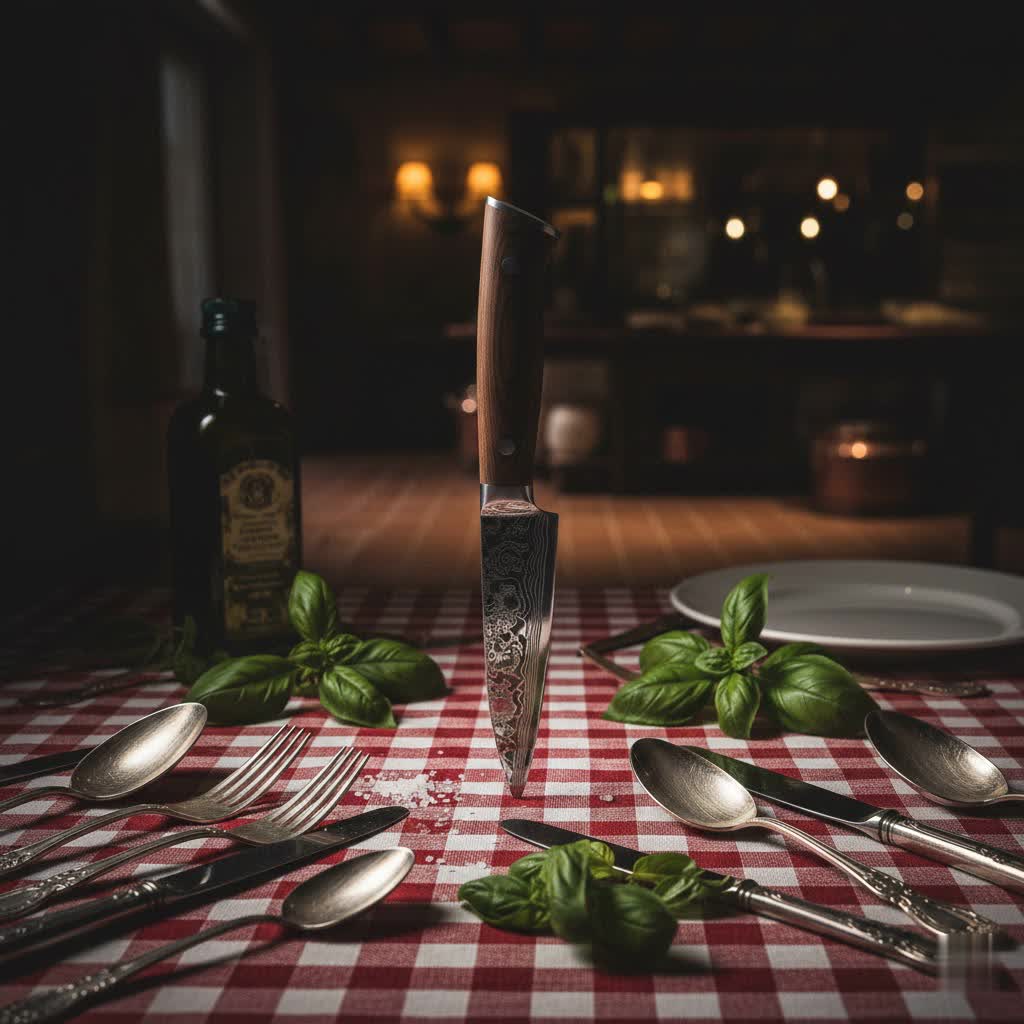
Whether you’re dicing vegetables with precision, carving a roast with ease, or simply slicing a fresh loaf of bread, the right knife set makes all the difference. But with a dazzling array of options available, how do you navigate the choices to find your perfect match? We’re here to guide you through everything you need to know about selecting the best knife sets that will serve you faithfully for years to come.
The Heart of the Kitchen: Why a Great Knife Set Matters
The history of the knife is as old as civilization itself, evolving from rudimentary stone tools to the finely crafted culinary instruments we cherish today. For centuries, the knife has been fundamental to food preparation, adapting to diverse cooking styles and cultural demands. Today, a quality knife set represents this evolution, offering specialized tools designed for optimal performance across a range of tasks.
Investing in one of the best knife sets isn’t merely about acquiring a collection of blades; it’s about investing in efficiency, safety, and the sheer joy of cooking. Dull, unbalanced, or inappropriate knives can turn kitchen tasks into a chore and even increase the risk of accidents. A well-curated set, however, can inspire confidence, streamline your workflow, and unlock new levels of culinary creativity.
Understanding Your Needs: What’s in Your Ideal Knife Set?
Before you dive into materials and brands, let’s talk about what knives you actually need. Many people get overwhelmed by large knife blocks filled with dozens of pieces, some of which rarely see the light of day. Often, a smaller, high-quality set of essentials can be far more effective.
The Essential Trio (and Beyond)
Most culinary experts agree that a few key knives form the foundation of any great kitchen. These are often referred to as the “Holy Trinity” of kitchen knives:
- Chef’s Knife (7-8 inches): This is your versatile workhorse, designed for chopping, slicing, dicing, and mincing a wide variety of ingredients. Its curved blade allows for a smooth rocking motion, making it indispensable for daily prep.
- Paring Knife (3-4 inches): Small and nimble, a paring knife is perfect for delicate tasks that require precision, such as peeling fruits and vegetables, trimming, deveining shrimp, or creating garnishes.
- Serrated Bread Knife (8-10 inches): With its scalloped edge, this knife effortlessly glides through crusty bread, tomatoes, and other soft foods without squishing or tearing them.
Beyond this essential trio, many best knife sets include additional blades that can enhance your cooking experience, depending on your culinary habits:
- Utility Knife (4-6 inches): A versatile knife that bridges the gap between a chef’s knife and a paring knife, excellent for slicing sandwiches, smaller cuts of meat, or larger vegetables.
- Santoku Knife (5-7 inches): A Japanese-style knife, often seen as an alternative to a chef’s knife. It features a straighter edge and a “sheep’s foot” tip, ideal for chopping, dicing, and creating thin slices.
- Carving Knife (8-10 inches): Longer and thinner than a chef’s knife, it’s designed for slicing through cooked meats like roasts and poultry, ensuring clean, even cuts.
- Boning Knife (6 inches): With a thin, flexible blade, this knife is perfect for separating meat from bone and trimming fat.
- Steak Knives: While not typically used for cooking prep, a good set of steak knives is essential for serving, ensuring your guests can easily cut through their perfectly cooked meat.
- Kitchen Shears: Invaluable for tasks like snipping herbs, cutting twine, or even spatchcocking poultry.
|
Our Picks for the Best Chefs Knife in 2026
As an Amazon Associate I earn from qualifying purchases.
|
||
| Num | Product | Action |
|---|---|---|
| 1 | Victorinox Swiss Army 5.2063.20-X14 Fibrox Chef's Knife Black 8 in |

|
| 2 | 8 Inch Professional Chef Knife with Leather Sheath, Ultra Sharp Kitchen Knife with G10 Handle,Full Tang, Gyuto Style for Home Cooking and Outdoor BBQ, for Men and Women |
|
| 3 | Okami Blades Classic Chef Knife 8 Inch – Japanese AUS 8 Steel Gyuto Knife, Ultrasharp & Perfectly Balanced Kitchen Knife with Rosewood & Ebony Handle for All Your Kitchen Tasks |
|
| 4 | Mercer Culinary M22608 Millennia Black Handle, 8-Inch, Chef's Knife |
|
| 5 | Cuts Like Butter 6.2 Inch Meat Cleaver Butcher Knife with Leather Sheath, Wooden Gift Box, Full Tang High Carbon Steel Japanese Chef Knife for Kitchen Outdoor, Gifts for Women Men Christmas Birthday |
|
| 6 | HOSHANHO Kitchen Knife in Japanese High Carbon Steel, Professional High-Class Chef's Knife 8 inch, Non-slip Ultra Sharp Cooking Knives with Ergonomic Handle |
|
| 7 | MOSFiATA 8" Super Sharp Professional Chef's Knife with Finger Guard and Knife Sharpener, German High Carbon Stainless Steel EN1.4116 with Micarta Handle and Gift Box |
|
| 8 | imarku Japanese Chef Knife - Sharp Kitchen Knife 8 Inch Chef's Knives HC Steel Paring Knife, Unique Gifts for Men and Women, Gifts for Mom or Dad, Kitchen Gadgets with Gift Box, Gyutou Knives |
|
| 9 | HENCKELS Classic Razor-Sharp 8-inch Chef Knife, German Engineered Informed by 100+ Years of Mastery |
|
| 10 | PAUDIN Chef Knife, 8 Inch High Carbon Stainless Steel Sharp Kitchen Knife with Ergonomic Handle, Gift Box for Family & Restaurant |
|
“For most home cooks, the true value lies in a solid chef’s knife, a reliable paring knife, and a sharp serrated bread knife,” says Chef Alistair Finch, a seasoned culinary instructor. “Anything beyond that should align with the specific dishes you love to prepare.”
Craftsmanship and Materials: The Blade’s Edge
The material and construction of a knife’s blade are paramount to its performance, durability, and how well it maintains its sharpness. When evaluating the best knife sets, pay close attention to these details.
Blade Materials
Different blade materials offer distinct advantages:
- High-Carbon Stainless Steel: This is often considered the gold standard for many of the best knife sets. It combines the exceptional sharpness and edge retention of carbon steel with the rust resistance of stainless steel. It’s durable, easy to sharpen, and an excellent choice for both home and professional kitchens.
- Damascus Steel: Known for its stunning, wavy patterns created by folding multiple layers of steel, Damascus steel blades are not only beautiful but also exceptionally strong and sharp. However, they are typically more expensive and require careful maintenance to preserve their unique appearance.
- Ceramic: Incredibly sharp and lightweight, ceramic knives excel at delicate slicing and retain their edge for a very long time. They are also rust-proof and non-reactive with food. The downside is their brittleness; they can chip or break if dropped or used for heavy chopping, and sharpening them at home can be challenging.
- Carbon Steel: Prized by many professional chefs for its ability to achieve an incredibly sharp edge and hold it well. Carbon steel is easier to sharpen than stainless steel, but it is highly susceptible to rust and discoloration and can react with acidic foods, requiring diligent maintenance and oiling.
- Stainless Steel: The most common and affordable material, offering good rust and stain resistance, and easy cleaning. However, it may not hold an edge as long as high-carbon varieties and can be harder to sharpen effectively.
- Titanium: Lightweight and highly corrosion-resistant, titanium blades are very strong but can be more challenging to sharpen compared to steel.
Forged vs. Stamped Blades
The manufacturing process also impacts a knife’s quality:
- Forged Blades: Made from a single piece of steel that is heated and hammered into shape. This process compresses the steel, resulting in a stronger, denser, and more durable blade with better balance and edge retention. Many of the best knife sets feature forged knives.
- Stamped Blades: Cut from a large sheet of steel and then ground and sharpened. While more affordable, they are generally lighter, less durable, and may not hold an edge as well as forged knives.
Full Tang Construction
A key indicator of a knife’s quality and durability is its tang. A full tang means the blade extends all the way through the handle, often secured with rivets. This provides superior strength, balance, and leverage, preventing the blade from separating from the handle over time. Many high-quality knife sets proudly highlight their full-tang construction.
The Grip of Success: Handle Design and Ergonomics
While the blade does the cutting, the handle is where you connect with your knife. A well-designed handle is crucial for comfort, control, and safety, especially during long prep sessions.
Materials
Knife handles come in various materials, each offering different characteristics:
- Wood: Offers a classic, warm aesthetic and a comfortable grip, but typically requires more maintenance (e.g., hand washing and oiling) to prevent drying and cracking.
- Plastic/Composite (e.g., Pakkawood, G10, Santoprene): These materials are highly durable, moisture-resistant, and easy to clean, making them a practical choice for busy kitchens. They can also be molded into ergonomic shapes for enhanced grip.
- Stainless Steel: Provides a sleek, modern look and excellent hygiene. While durable, some all-stainless handles can be slippery when wet or greasy, though many designs incorporate textures or ergonomic shaping to counter this.
Importance of Comfort, Secure Grip, and Balance
An ergonomic handle should fit comfortably in your hand, reducing strain and fatigue. Look for textured surfaces or subtle finger grooves that enhance your grip, even when your hands are wet or oily. Equally important is the knife’s balance; the weight should be evenly distributed between the blade and the handle. A well-balanced knife feels like an extension of your arm, making intricate cuts feel effortless and significantly improving safety.
Caring for Your Investment: Sharpening and Maintenance
Even the best knife sets require proper care to maintain their peak performance. A sharp knife is a safe knife, and regular maintenance will extend the life of your collection.
Hand Washing vs. Dishwasher
Always hand wash your knives. Dishwashers can be detrimental to knife blades and handles. The harsh detergents, high heat, and jostling against other utensils can dull edges, corrode steel, and damage wooden or composite handles. After each use, hand wash your knives with warm, soapy water and dry them immediately with a soft cloth to prevent water spots and rust.
Honing vs. Sharpening
These terms are often used interchangeably, but they refer to different processes:
- Honing: This is a frequent maintenance task that realigns a knife’s slightly bent edge, restoring its cutting ability. A honing steel (often included in knife sets) is used for this. It doesn’t remove metal but rather straightens the microscopic edge.
- Sharpening: This process actually removes a small amount of metal from the blade to create a new, sharper edge. This is needed less frequently than honing, perhaps a few times a year depending on usage. Sharpening can be done with whetstones, electric sharpeners, or by a professional service.
Proper Storage
How you store your knives is crucial for safety and edge preservation:
- Knife Blocks: The most common storage solution, keeping blades protected and organized. Look for blocks with wide slots that allow for easy insertion and removal, or consider bristle blocks for more flexibility.
- Magnetic Strips: These strips mount on your wall, offering a visually appealing and hygienic way to store knives, allowing air circulation and easy access. Ensure they are mounted securely and that knives are placed carefully to avoid damage.
- In-Drawer Organizers: A great option for keeping knives safely out of sight and protected in a drawer, especially for those with limited counter space.
How to Choose the Best Knife Set: Your Buying Guide
Ready to find the perfect set for your kitchen? Here’s a checklist to guide your decision:
1. Define Your Budget
Knife sets range widely in price. Determine how much you’re willing to invest. Remember, quality often comes at a higher price, but it pays off in long-term performance and durability. You can find excellent value in mid-range sets that offer high-carbon stainless steel blades and ergonomic handles.
2. Prioritize Quality Over Quantity
Don’t be swayed by sets with a high piece count if the quality is subpar. As culinary instructor Clara Chen wisely advises, “It’s far better to have a few exceptionally good, versatile knives that you’ll use constantly than a large block of mediocre blades that sit unused.” Focus on the essential knives made from premium materials.
3. Read Reviews and Consider Warranties
Before making a purchase, consult independent reviews from trusted culinary publications and fellow home cooks. Their insights can reveal real-world performance and durability. Additionally, look for brands that offer robust warranties; it’s a sign of a manufacturer’s confidence in their product and protects your investment.
4. Match the Set to Your Cooking Style
Are you a minimalist cook who needs just the basics? A family cook who prepares a wide variety of meals? Or an enthusiast who experiments with different cuisines? Your cooking habits should dictate the types and number of knives in your ideal set.
5. Feel the Balance
If possible, handle the knives. A truly great knife feels balanced and comfortable in your hand, inspiring confidence. This tactile connection is often overlooked but is crucial for an enjoyable and safe cooking experience.
Frequently Asked Questions (FAQ)
Q: How many knives do I really need in a set?
A: For most home cooks, a set of 3 to 5 essential knives—including a chef’s knife, a paring knife, and a serrated bread knife—is sufficient. Additional knives like a utility knife or santoku can be added based on your specific cooking needs.
Q: What’s the best material for knife blades?
A: High-carbon stainless steel is widely considered an excellent choice for its balance of sharpness, edge retention, durability, and corrosion resistance. Carbon steel offers superior sharpness but requires more maintenance, while ceramic is incredibly sharp but brittle.
Q: Can I put my knife set in the dishwasher?
A: No, it is strongly recommended to hand wash your knives immediately after use and dry them thoroughly. Dishwashers can dull the blades, damage handles, and lead to rust or corrosion.
Q: What’s the difference between honing and sharpening?
A: Honing realigns a knife’s slightly bent edge to restore its cutting ability without removing material. Sharpening, on the other hand, removes a small amount of metal to create a new, sharper edge, and is done less frequently than honing.
Q: Are expensive knife sets always better?
A: While higher-priced knife sets often indicate superior materials and craftsmanship, the most expensive option isn’t always the “best” for everyone. The best knife set is one that meets your specific needs, feels comfortable, is well-made, and fits your budget.
Elevate Your Culinary Artistry
Choosing from the best knife sets is a journey of discovery, blending personal preference with practical considerations. By understanding the essentials—from blade materials and construction to handle ergonomics and proper care—you’re well-equipped to make an informed decision.
A high-quality knife set is more than just a collection of tools; it’s a foundation for culinary creativity, precision, and enjoyment. So, take the plunge, explore the options, and find the set that speaks to your inner chef. We encourage you to experiment, practice your knife skills, and share your culinary creations with the world. Happy cooking!
