Stepping into the kitchen, whether you’re a seasoned chef or a home cooking enthusiast, immediately brings you face-to-face with the tools that define your culinary journey. Among them, the culinary knife set stands as the undisputed champion, the very cornerstone of precision and passion. A quality knife set doesn’t just cut; it transforms ingredients, elevates dishes, and makes the entire cooking process an art form. At Reviewrdouk Kitchen, we believe understanding your knives is the first step to truly mastering your craft.
The Legacy of Sharpness: A Brief History of Kitchen Knives
The journey of kitchen knives is as old as cooking itself, evolving from simple sharpened stones and metals used for basic butchery to the highly specialized instruments we wield today. Early civilizations understood the profound impact of a keen edge, using rudimentary blades for hunting, preparing food, and even survival. Over millennia, as culinary traditions diversified and metalworking advanced, knives became more refined. The Middle Ages saw the rise of specialized cutting tools, while the industrial revolution brought about mass production and more consistent quality.
Today, we see distinct lines of design, often tracing back to different culinary philosophies. For instance, the robust, curved-blade German-style chef’s knife, perfected for a rocking chop, contrasts with the thinner, straighter-edged Japanese santoku, designed for precise push-cuts. Each style, a testament to centuries of culinary innovation, plays a vital role in the diverse world of modern cooking, making a well-chosen culinary knife set a bridge between history and your daily meals.
Unpacking the Culinary Arsenal: Essential Knives in a Set
When you invest in a culinary knife set, you’re acquiring a collection of specialized tools, each designed for a unique purpose. While sets can range from minimalist to expansive, a few key players form the foundation of any serious kitchen.
The Versatile Workhorses
Every kitchen needs its core team of reliable blades that handle the bulk of daily tasks.
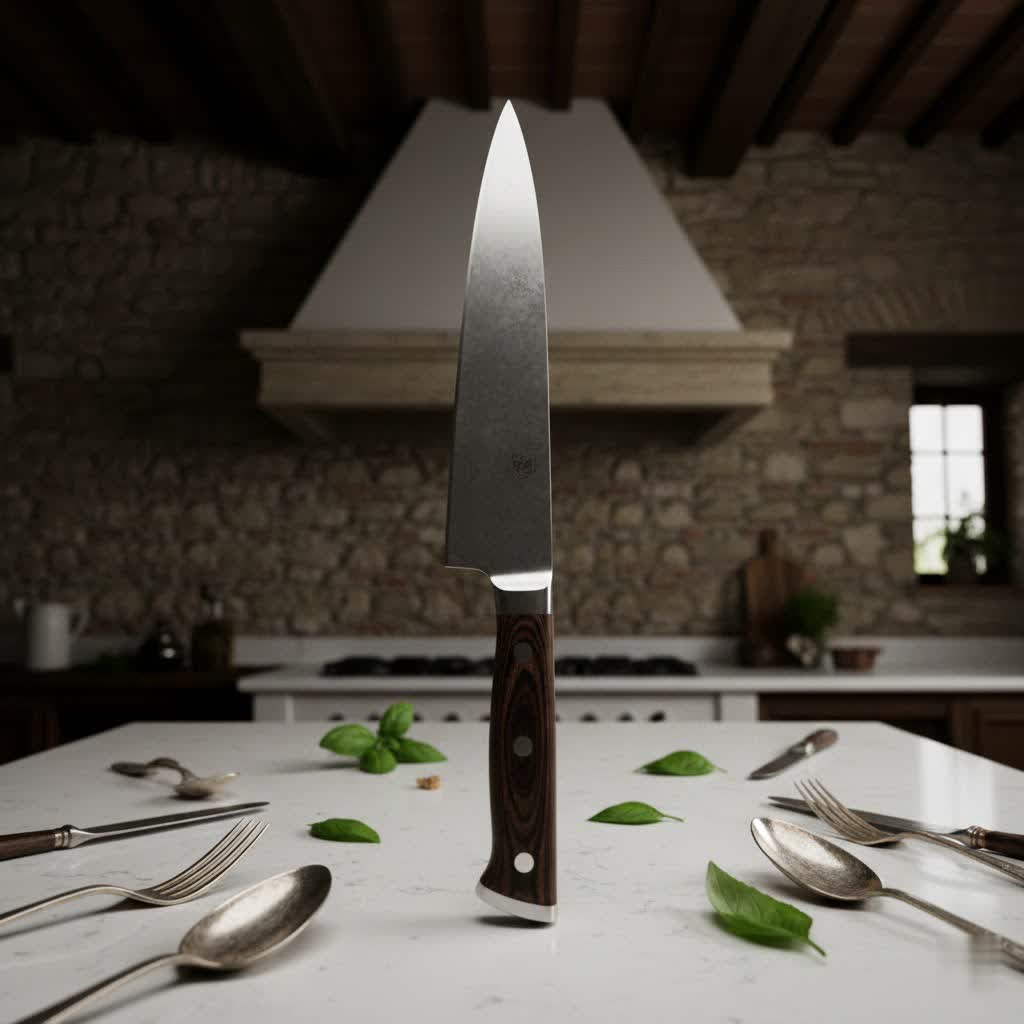
- The Chef’s Knife: This is the quintessential all-rounder, the MVP of your culinary knife set. Typically 8 to 10 inches long with a broad, curved blade, it’s perfect for chopping vegetables, slicing meats, dicing onions, and mincing herbs with professional accuracy. It’s built for versatility and power, becoming an extension of your hand in almost every task.
- The Paring Knife: Small but mighty, the paring knife, usually 3 to 4 inches, is your go-to for intricate, detailed work. Think peeling fruits, segmenting citrus, coring vegetables, deveining shrimp, or creating delicate garnishes. Its nimble size offers superior control and precision for smaller ingredients.
- The Serrated Bread Knife: With its distinctive saw-like edge, this knife effortlessly glides through crusty loaves of bread, soft tomatoes, or delicate cakes without crushing or tearing. It’s an indispensable tool for clean slices, ensuring your baked goods maintain their perfect shape.
|
Our Picks for the Best Chefs Knife in 2026
As an Amazon Associate I earn from qualifying purchases.
|
||
| Num | Product | Action |
|---|---|---|
| 1 | Mercer Culinary M22608 Millennia Black Handle, 8-Inch, Chef's Knife |

|
| 2 | HENCKELS Classic Razor-Sharp 8-inch Chef Knife, German Engineered Informed by 100+ Years of Mastery |
|
| 3 | Cuts Like Butter 6.2 Inch Meat Cleaver Butcher Knife with Leather Sheath, Wooden Gift Box, Full Tang High Carbon Steel Japanese Chef Knife for Kitchen Outdoor, Gifts for Women Men Christmas Birthday |
|
| 4 | Victorinox Swiss Army 5.2063.20-X14 Fibrox Chef's Knife Black 8 in |
|
| 5 | MOSFiATA 8" Super Sharp Professional Chef's Knife with Finger Guard and Knife Sharpener, German High Carbon Stainless Steel EN1.4116 with Micarta Handle and Gift Box |
|
| 6 | HOSHANHO Kitchen Knife in Japanese High Carbon Steel, Professional High-Class Chef's Knife 8 inch, Non-slip Ultra Sharp Cooking Knives with Ergonomic Handle |
|
| 7 | 8 Inch Professional Chef Knife with Leather Sheath, Ultra Sharp Kitchen Knife with G10 Handle,Full Tang, Gyuto Style for Home Cooking and Outdoor BBQ, for Men and Women |
|
| 8 | PAUDIN Chef Knife, 8 Inch High Carbon Stainless Steel Sharp Kitchen Knife with Ergonomic Handle, Gift Box for Family & Restaurant |
|
| 9 | Okami Blades Classic Chef Knife 8 Inch – Japanese AUS 8 Steel Gyuto Knife, Ultrasharp & Perfectly Balanced Kitchen Knife with Rosewood & Ebony Handle for All Your Kitchen Tasks |
|
| 10 | imarku Japanese Chef Knife - Sharp Kitchen Knife 8 Inch Chef's Knives HC Steel Paring Knife, Unique Gifts for Men and Women, Gifts for Mom or Dad, Kitchen Gadgets with Gift Box, Gyutou Knives |
|
Expanding Your Horizons (Specialty Knives)
Beyond the essential trio, many culinary knife sets include additional blades that expand your capabilities, catering to more specific culinary needs.
- The Santoku Knife: Hailing from Japan, the Santoku knife (meaning “three virtues” or “three uses”: meat, fish, and vegetables) is a versatile alternative to the chef’s knife. Often shorter with a flatter blade profile and a “sheepsfoot” tip, it excels at precise, thin slices and upward-and-downward chopping motions. Many Santoku knives feature a Granton edge (dimples) to prevent food from sticking.
- The Utility Knife: Bridging the gap between the paring and chef’s knives, the utility knife typically ranges from 4 to 7 inches. It’s excellent for tasks that are too large for a paring knife but too small or delicate for a chef’s knife, such as slicing sandwiches, trimming smaller cuts of meat, or handling larger vegetables. Some even come with a serrated edge for added versatility.
- The Slicing/Carving Knife: Designed with a long, thin blade, often with a pointed or rounded tip, this knife is perfect for carving roasted meats, poultry, or fish into elegant, even slices. Its length allows for single, smooth cuts.
- The Boning/Fillet Knife: These knives feature thin, flexible blades, typically 5 to 7 inches, ideal for separating meat from bone (boning) or removing skin and filleting fish with precision and minimal waste. The flexibility of the blade allows it to contour around bones and along skin.
- The Cleaver: A heavy, rectangular-bladed knife, the cleaver is built for power. It’s used for chopping through bones, tough vegetables like squash, and large cuts of meat, providing robust force where delicate cuts aren’t needed.
The Heart of the Blade: Materials and Craftsmanship
The performance and longevity of your culinary knife set largely depend on the materials used in its blade and handle, as well as the craftsmanship.
Blade Materials
The choice of blade material is crucial, impacting sharpness, edge retention, and resistance to corrosion.
- High-Carbon Stainless Steel: This is a popular choice, offering an excellent balance of properties. It combines the rust-resistant qualities of stainless steel with the superior hardness and edge-holding capability of high-carbon steel. This material allows for a very sharp edge that maintains its keenness through prolonged use, and it resists staining and corrosion well.
- Damascus Steel (e.g., VG10): Often recognized by its beautiful, wavy patterns, Damascus steel isn’t a single type of metal but rather a layering of different steels. High-quality Damascus, like those using VG10 steel as the core, is celebrated for its exceptional sharpness, remarkable edge retention, and impressive durability. It’s often associated with premium Japanese knife sets.
- German Stainless Steel (e.g., X50CrMoV15): Many reputable European knife makers use specific grades of German stainless steel, such as X50CrMoV15. This alloy is known for its excellent corrosion resistance, toughness (resistance to chipping), and ease of sharpening, providing a robust and reliable blade for everyday culinary tasks.
- Cryogenic Hardening: Some manufacturers, like T-fal with their “Ice Force” technology, use advanced processes like cryogenic hardening. This involves heating blades to extremely high temperatures (e.g., 1800°F) and then rapidly cooling them to sub-zero temperatures (e.g., -250°F). This process refines the steel’s molecular structure, resulting in blades with superior edge retention and remarkable durability.
Handle Materials and Ergonomics
A knife is only as good as how it feels in your hand. The handle material and ergonomic design are critical for comfort, control, and safety.
- Materials: Handles can be crafted from a variety of materials including wood, composite plastics, and stainless steel. Wood offers a classic look and a warm, natural feel, but requires more maintenance. Composite materials like Pakkawood or G10 are durable, moisture-resistant, and provide excellent grip. Stainless steel handles are hygienic and durable but can be slippery when wet.
- Ergonomics and Balance: A well-designed handle provides a comfortable, secure grip, reducing hand fatigue during long prep sessions. Proper balance, where the weight is evenly distributed between the blade and the handle, makes a knife feel natural and controlled in your hand, allowing for precision and safety. “Comfort is key when it comes to choosing knives. Make sure the knives feel comfortable in your hand. Ergonomics are crucial, especially if you spend a lot of time cooking. A knife that feels good in your hand will reduce fatigue and make your prep work more enjoyable.”
Mastering the Cut: Safe and Effective Knife Techniques
Possessing a high-quality culinary knife set is only half the battle; knowing how to use it safely and effectively is paramount. Good technique protects your fingers and ensures efficient, consistent cuts.
- The Pinch Grip: This is the grip favored by professional chefs. Hold the knife by pinching the heel of the blade between your thumb and forefinger, wrapping your remaining fingers around the handle. This grip gives you maximum control over the blade’s movement.
- The Guiding Hand (Claw Grip): Your non-dominant hand acts as a guide and protection. Curl your fingertips inward, creating a “claw” shape, with your knuckles pressed against the side of the blade. This protects your fingertips and allows you to move food consistently while maintaining a safe distance from the blade.
- Rocking vs. Push-Cut: German-style knives with a curved belly are ideal for a rocking motion, where the blade pivots on its tip through the food. Japanese-style knives or chef’s knives with flatter profiles are better suited for a push-cut or chopping motion, lifting the blade slightly with each cut. Learn to adapt your technique to the knife and the task.
Keeping Your Edge: Sharpening and Maintenance
To ensure your culinary knife set performs optimally for years, proper care and maintenance are non-negotiable.
- Hand Washing is Key: Never put your good knives in the dishwasher. The harsh detergents, high heat, and jostling against other utensils can dull the edge, corrode the blade, and damage the handle. Always hand wash your knives immediately after use with warm, soapy water and dry them thoroughly to prevent rust and water spots.
- Honing vs. Sharpening: These terms are often confused.
- Honing: Using a honing steel (often included in knife sets), you realign a knife’s microscopic edge, which naturally bends over time with use. Honing should be done frequently, even daily, to maintain sharpness between actual sharpenings.
- Sharpening: This process actually removes a tiny amount of metal from the blade to create a new, fresh edge. Sharpening is done less frequently (e.g., every few months to a year, depending on use) using a whetstone, pull-through sharpener, or professional service.
- Proper Storage: Storing your knives correctly protects their edges and ensures safety.
- Knife Block: A classic and convenient storage solution, protecting blades within angled slots.
- Magnetic Strip: Mounts on your wall, keeping knives visible and easily accessible.
- In-Drawer Organizers: Keeps blades separated and protected within a drawer.
- Knife Roll/Sheaths: Ideal for transport or protecting individual blades.
Why Invest in a Quality Culinary Knife Set? The Benefits
Investing in a high-quality culinary knife set isn’t just about owning fancy tools; it’s about transforming your entire cooking experience and making a smart, long-term commitment to your kitchen.
- Precision, Efficiency, and Enjoyment: Sharp, well-balanced knives make food preparation faster, more precise, and significantly more enjoyable. You’ll glide through ingredients instead of struggling, making cooking a pleasure rather than a chore. “A good set of kitchen knives… makes a world of difference. They’re designed for precision and efficiency, turning your cooking experience from a nightmare into a dream.”
- Durability and Longevity: Quality knife sets, often made from superior materials like high-carbon stainless or Damascus steel, are built to last a lifetime. Many even come with lifetime guarantees, ensuring your investment pays dividends for years to come.
- Enhanced Safety: It might seem counterintuitive, but a sharp knife is actually safer than a dull one. A sharp blade requires less force to cut, reducing the chance of slipping and accidents. “A sharp knife is actually safer than a dull one because it requires less force to cut through food, reducing the chance of slips and accidents.”
- Cost-Effectiveness: While a complete culinary knife set may seem like a significant upfront cost, it’s often more economical than purchasing individual high-quality knives separately. Sets frequently offer a better value, providing all your essential blades at a discounted price.
Finding Your Perfect Set: Tips for Choosing a Culinary Knife Set
Selecting the right culinary knife set can feel overwhelming with the myriad of options available. Here’s how to navigate the choices and find the perfect fit for your kitchen and cooking style.
- Assess Your Cooking Style and Needs: Before you even look at brands, consider how you cook.
- Essential/Minimalist Cooking: If you cook simple meals, have limited space, or prefer a minimalist approach, a smaller set (e.g., a 3 or 4-piece set focusing on a chef’s, paring, and bread knife) might be ideal.
- Everyday Family Cooking: For those who cook regularly for a family and prepare a variety of ingredients, a medium-sized set (e.g., a 5 or 7-piece set that adds a utility or santoku knife) offers a balanced solution.
- Passionate/Exploratory Cooking: If you love experimenting, hosting, and cooking is a creative outlet, a larger, more comprehensive set with specialty knives (like a fillet or nakiri) will provide the freedom you desire.
- Quality Over Quantity: Resist the urge to buy the largest set with the most pieces. It’s far better to invest in a smaller set of high-quality, well-performing knives that you’ll actually use regularly than a bloated block filled with tools that gather dust.
- Consider Brand Reputation: Research reputable brands known for their craftsmanship and quality materials. Brands like Wüsthof, Zwilling, Shun, Global, and Dalstrong are often highly regarded in the culinary world.
- Test for Comfort and Balance: If possible, hold the knives in a set before buying. A knife should feel balanced and comfortable in your hand, like an extension of your arm. Mimic your common cutting motions to see how they feel.
- Understand Set Compositions: Some brands categorize their sets by size and purpose. For example, OSERM offers 3+1, 5+1, and 7+1 sets, each catering to different levels of cooking habits, with the “+1” often signifying an extra chef’s knife for added convenience or longevity.
Expert Insight: What Pros Look For
“For me, a culinary knife set isn’t just a collection of blades; it’s the foundation of a confident kitchen,” says Chef Antoine Dubois, a renowned culinary instructor with decades of experience. “I always tell my students: prioritize the chef’s knife, paring knife, and a solid serrated bread knife first. Beyond that, focus on ergonomics and blade material. A knife that feels right in your hand and holds an edge well is worth every penny. It’s about building a relationship with your tools, not just buying them.”
Conclusion
A thoughtfully chosen culinary knife set is more than just a purchase; it’s an investment in your passion for cooking, your efficiency in the kitchen, and ultimately, the quality of the meals you create. From the rich history of knife-making to the intricate details of blade materials and the art of proper technique, understanding these tools empowers you to cook with greater confidence and joy. So, take the time to choose your set wisely, care for it diligently, and let your knives unlock a world of culinary possibilities. We invite you to explore the possibilities, experiment with different blades, and share your own kitchen experiences with the Reviewrdouk Kitchen community. Happy chopping!
