Every passionate home cook and seasoned professional knows that a kitchen is only as good as its tools. And at the heart of every well-equipped kitchen lies one indispensable instrument: a high-quality chef knife. More than just a cutting implement, it’s an extension of your hand, a partner in culinary creation, and a gateway to precision and efficiency. If you’ve ever struggled with a dull, unbalanced blade, you understand the frustration. But once you wield a truly premium chef knife, your cooking experience transforms entirely.
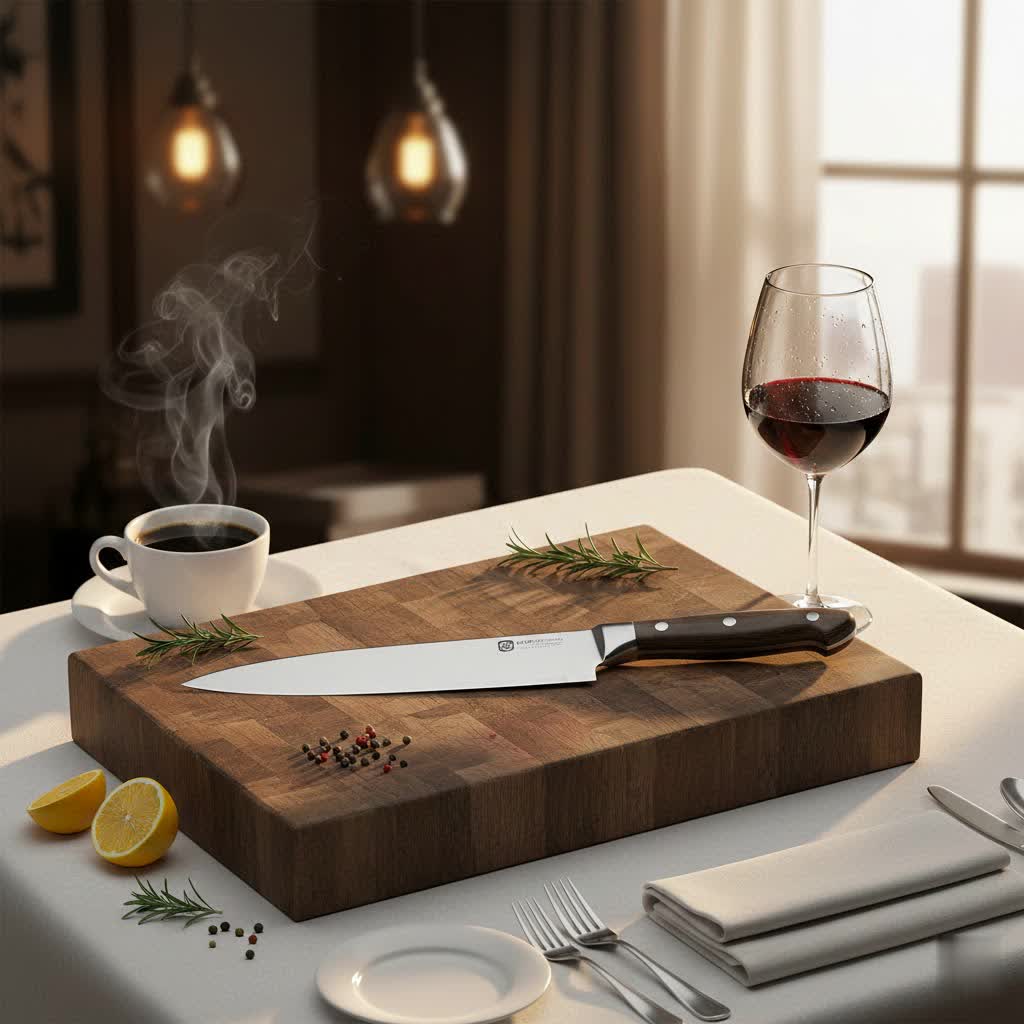
A Slice Through Time: The History and Origins of the Chef’s Knife
The concept of a cutting tool for food preparation is as ancient as humanity itself, with early ancestors using rudimentary tools of stone and bone. However, the chef’s knife as we recognize it today began to take shape in Europe, specifically in France and Germany, around the 17th and 18th centuries.
Initially, these knives were general utility tools, designed for a broad range of tasks from chopping to slicing. The introduction of high-carbon steel revolutionized knife-making, leading to sharper and more durable blades. The German style, known for its heavy, curved blade ideal for a rocking motion, emerged in places like Solingen, Germany, by the late 18th century. Meanwhile, Japanese bladesmiths, drawing on centuries of samurai sword-making techniques, introduced their own distinct styles like the Gyuto and Santoku, emphasizing precision and exceptional sharpness. These historical developments laid the groundwork for the diverse, high-quality chef knives we cherish today.
What Makes a High-Quality Chef Knife Truly Stand Out?
When we talk about a high-quality chef knife, we’re not just looking for a fancy label. We’re talking about a tool meticulously crafted to deliver superior performance, durability, and comfort.
The Heart of the Matter: Blade Material
The blade is undeniably the soul of any chef knife. Its material dictates everything from sharpness to how long it retains an edge.
- High-Carbon Stainless Steel: This is often the sweet spot, combining the best attributes of both worlds. It offers impressive sharpness and edge retention, similar to carbon steel, but with enhanced corrosion resistance and easier maintenance than traditional carbon steel. Many premium chef knives feature this blend for optimal performance.
- Carbon Steel: Prized by many professional chefs for its ability to achieve and hold an incredibly sharp edge. However, it demands more rigorous care, being prone to rust and discoloration if not cleaned and dried immediately after use.
- Damascus Steel: Known for its distinctive layered patterns and exceptional strength, Damascus steel offers a beautiful aesthetic combined with excellent sharpness and edge retention. It’s a popular choice in many Japanese-style knives.
- Stainless Steel: While common and low-maintenance, standard stainless steel typically offers less edge retention and sharpness compared to its high-carbon counterparts.
|
Our Picks for the Best Chefs Knife in 2026
As an Amazon Associate I earn from qualifying purchases.
|
||
| Num | Product | Action |
|---|---|---|
| 1 | PAUDIN Chef Knife, 8 Inch High Carbon Stainless Steel Sharp Kitchen Knife with Ergonomic Handle, Gift Box for Family & Restaurant |

|
| 2 | MOSFiATA 8" Super Sharp Professional Chef's Knife with Finger Guard and Knife Sharpener, German High Carbon Stainless Steel EN1.4116 with Micarta Handle and Gift Box |
|
| 3 | Cuts Like Butter 6.2 Inch Meat Cleaver Butcher Knife with Leather Sheath, Wooden Gift Box, Full Tang High Carbon Steel Japanese Chef Knife for Kitchen Outdoor, Gifts for Women Men Christmas Birthday |
|
| 4 | HOSHANHO Kitchen Knife in Japanese High Carbon Steel, Professional High-Class Chef's Knife 8 inch, Non-slip Ultra Sharp Cooking Knives with Ergonomic Handle |
|
| 5 | HENCKELS Classic Razor-Sharp 8-inch Chef Knife, German Engineered Informed by 100+ Years of Mastery |
|
| 6 | 8 Inch Professional Chef Knife with Leather Sheath, Ultra Sharp Kitchen Knife with G10 Handle,Full Tang, Gyuto Style for Home Cooking and Outdoor BBQ, for Men and Women |
|
| 7 | Okami Blades Classic Chef Knife 8 Inch – Japanese AUS 8 Steel Gyuto Knife, Ultrasharp & Perfectly Balanced Kitchen Knife with Rosewood & Ebony Handle for All Your Kitchen Tasks |
|
| 8 | Mercer Culinary M22608 Millennia Black Handle, 8-Inch, Chef's Knife |
|
| 9 | imarku Japanese Chef Knife - Sharp Kitchen Knife 8 Inch Chef's Knives HC Steel Paring Knife, Unique Gifts for Men and Women, Gifts for Mom or Dad, Kitchen Gadgets with Gift Box, Gyutou Knives |
|
| 10 | Victorinox Swiss Army 5.2063.20-X14 Fibrox Chef's Knife Black 8 in |
|
Expert Insight: “Choosing the right blade material is like selecting the perfect engine for a sports car,” says Chef Julian Blackwood, a culinary instructor with over two decades of experience. “You need the right balance of power, endurance, and responsiveness to perform at your peak. For me, high-carbon stainless offers that perfect blend for daily professional use.”
Impeccable Craftsmanship and Design
Beyond the material, how a knife is made significantly impacts its quality.
- Forged vs. Stamped: High-quality chef knives often feature forged blades, meaning they are heated and hammered into shape. This process creates a denser, stronger blade with better balance and longevity compared to stamped blades, which are cut from a sheet of steel.
- Heat Treatment: Precise heat treatment is crucial for embedding the ideal hardness (often measured on the Rockwell scale, with 56-62 HRC being a good range for chef knives). This ensures the blade can hold a sharp edge without being brittle.
- Balance and Weight: A well-balanced knife feels like a natural extension of your hand, allowing for controlled, precise cuts with minimal fatigue. When you pick up a high-quality chef knife, it shouldn’t feel blade-heavy or handle-heavy, but rather centered.
The Ergonomic Advantage: Handle Comfort and Materials
You might not think much about the handle until it causes discomfort. A great handle ensures a secure grip and reduces hand fatigue, especially during long prep sessions.
- Pakkawood: A popular composite material that combines natural wood with resin, offering durability, moisture resistance, and a beautiful aesthetic.
- G10 (Fiberglass Composite): Extremely durable, water-resistant, and won’t warp or crack. Often favored by professionals for its robust nature and secure grip.
- Stabilized Wood: Natural wood (like carbonized rosewood or olive wood) treated with resin to enhance durability and moisture resistance, offering a classic look and warm feel.
- Composite Materials: These often blend the best features of wood and plastic, offering both durability and comfort, resistant to moisture and easy to clean.
Mastering Your Blade: Techniques for Safe and Effective Use
A high-quality chef knife unlocks a world of culinary possibilities, but proper technique is key to harnessing its power safely and effectively.
How do I hold a chef’s knife correctly?
The most common and effective grip is the “pinch grip.” Pinch the heel of the blade between your thumb and forefinger, wrapping the remaining fingers around the handle. This provides maximum control and balance, allowing you to guide the blade with precision and power.
Essential Cutting Techniques
- The Rocking Motion: Ideal for mincing herbs or finely dicing vegetables. Keep the tip of the blade on the cutting board and rock the knife up and down, pushing forward slightly with each stroke.
- Chopping: For larger, harder vegetables, a more deliberate up-and-down motion is used, ensuring the knife clears the ingredient fully.
- Slicing: Use the full length of the blade, drawing it towards you in a smooth, fluid motion rather than pushing straight down. This reduces tearing and creates clean cuts.
- Claw Grip: Always keep your non-dominant hand in a “claw” position, with fingertips curled inwards and knuckles guiding the blade. This protects your fingers from accidental cuts.
The Ritual of Care: Sharpening and Preserving Your Investment
Even the best high-quality chef knife will lose its razor-sharp edge over time. Proper maintenance is crucial for longevity and performance.
Sharpening vs. Honing: What’s the Difference?
- Honing: This is a frequent, even daily, maintenance task. A honing steel or ceramic rod realigns the microscopic edge of the blade, which can bend or warp with use, restoring its straightness. Honing does not remove significant metal.
- Sharpening: This process actually removes a small amount of metal to create a new, sharper edge when honing no longer suffices. Sharpening is typically done less often, perhaps once every few months or even once a year, depending on usage.
How do I sharpen my chef knife at home?
Whetstones are a popular and effective method for home sharpening. Soak the whetstone (if it’s a water stone) until bubbles stop appearing. Hold your knife at a consistent angle (around 15-20 degrees for most chef knives) and draw the blade across the stone, alternating sides. Start with a coarser grit for very dull knives, then move to a finer grit for a polished, keen edge.
Proper Cleaning and Storage
- Hand Wash Immediately: Never put a high-quality chef knife in the dishwasher. Harsh detergents and high heat can damage the blade and handle, ruining the temper of the steel and dulling the edge. Wash by hand with warm, soapy water after each use.
- Dry Thoroughly: Always dry your knife completely with a soft cloth immediately after washing to prevent rust and water spots, especially for high-carbon blades.
- Safe Storage: Store your knives in a knife block, on a magnetic strip, or in a knife roll to protect the blade and ensure safety. Avoid tossing them in a drawer where they can ding against other utensils.
- Cutting Surfaces: Use wooden or high-quality plastic cutting boards. Avoid glass, marble, or ceramic surfaces, as these will rapidly dull your blade.
The Unmatched Benefits of a High-Quality Chef Knife
Investing in a premium chef knife isn’t just about owning a nice tool; it’s about elevating your entire cooking experience.
- Precision Cuts: A sharp, high-quality chef knife glides through ingredients, delivering clean, precise cuts that improve both the texture and appearance of your food. Say goodbye to squashed tomatoes and uneven slices!
- Effortless Efficiency: With the right balance and sharpness, prep work becomes faster and less tiring. You’ll spend less time wrestling with ingredients and more time enjoying the process.
- Durability You Can Trust: A well-made chef knife is built to last, often for decades, becoming a cherished heirloom with proper care.
- Enhanced Safety: Counterintuitively, a sharp knife is far safer than a dull one. It requires less force, reducing the risk of slipping and accidents.
- Unleash Culinary Confidence: Working with a reliable, razor-sharp blade instills confidence, allowing you to tackle any recipe with professional ease and joy.
How to Choose Your Perfect High-Quality Chef Knife
Selecting the right chef knife is a personal journey. Here are some tips to guide you:
- Consider Your Hand Size and Grip: The knife should feel comfortable and balanced in your hand. Test different lengths (8-10 inches is common) and handle styles.
- Understand Blade Materials: Decide whether you prioritize ultimate sharpness (carbon steel) or easier maintenance (high-carbon stainless steel).
- Evaluate Balance: The knife should feel balanced, not heavy towards the blade or handle.
- Research Brands and Reviews: Look for reputable brands known for their craftsmanship and quality. Read reviews from other chefs and home cooks.
- Set a Budget: While a high-quality chef knife is an investment, there are excellent options at various price points. Don’t go for the cheapest, as it often means sacrificing performance and durability.
- Think About Your Cooking Style: Do you predominantly chop, slice, or use a rocking motion? Different blade profiles (e.g., German vs. Japanese) cater to different techniques.
Frequently Asked Questions About High-Quality Chef Knives
Q: How often should I sharpen my high-quality chef knife?
A: You should hone your knife frequently, perhaps before or after each use, to realign the edge. Sharpening, which removes metal to create a new edge, is typically needed only once or twice a year, depending on how often you cook and how well you hone.
Q: Can a high-quality chef knife be used for all kitchen tasks?
A: A chef’s knife is incredibly versatile and can handle about 80% of kitchen tasks, including chopping, slicing, dicing, and mincing. However, specialized tasks like boning meat, filleting fish, or cutting through frozen items are best left to specific knives like boning knives or cleavers to preserve your chef knife’s edge and integrity.
Q: Are more expensive chef knives always better quality?
A: While higher prices often correlate with better materials and craftsmanship, it’s not always a direct one-to-one relationship. Research specific brands and models, read reviews, and consider what features are most important to you. A moderately priced, well-regarded high-quality chef knife can outperform a very expensive one that doesn’t fit your hand or cooking style.
Q: What’s the best angle for sharpening a chef knife?
A: The ideal sharpening angle varies slightly by knife style. Most Western (German/French) knives are sharpened at a 20-degree angle per side, while many Japanese knives feature a steeper 15-degree angle for a finer edge.
Q: How can I tell if my chef knife is truly sharp?
A: A truly sharp knife should effortlessly slice through a ripe tomato under its own weight or cleanly cut a piece of paper held upright without tearing. If you have to push or saw, it’s time for some maintenance.
The Reviewrdouk Kitchen Verdict
A high-quality chef knife is more than just a purchase; it’s an investment in your culinary journey, transforming mundane prep work into an enjoyable art form. By understanding the nuances of blade materials, handle ergonomics, and proper care, you empower yourself to choose a knife that will serve you faithfully for years to come. So, take the plunge, explore the world of premium cutlery, and experience the joy and confidence that a truly exceptional chef knife brings to your kitchen. Your hands – and your taste buds – will thank you.
