Every passionate home cook knows that a great meal starts long before the ingredients hit the pan. It begins with the precise, confident cuts that shape your food, and for that, you need the right tools. A high-quality cooking knife set isn’t just a collection of blades; it’s the foundation of your kitchen, empowering you to tackle any recipe with ease and joy. For anyone serious about their time in the kitchen, understanding and investing in a proper knife set is a game-changer.
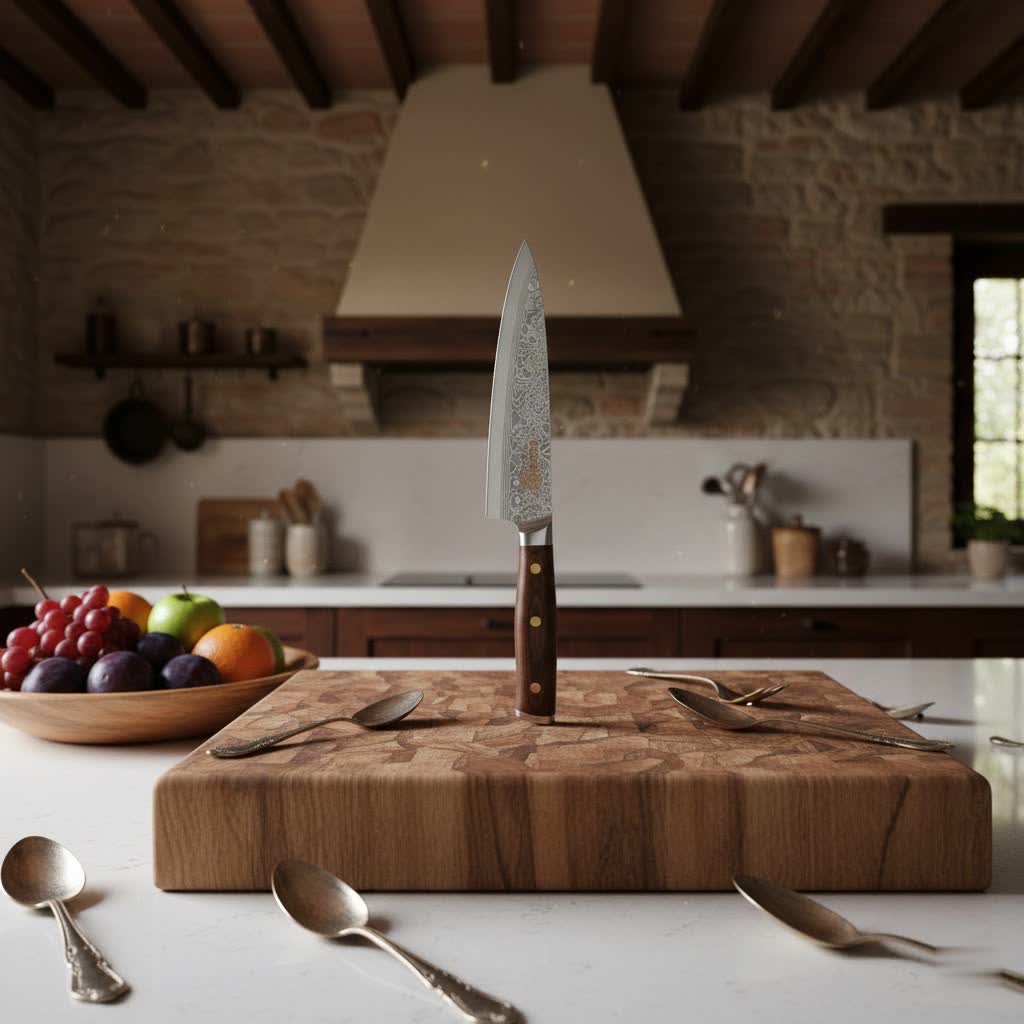
The Storied Journey of Kitchen Blades
Knives have been an indispensable part of human civilization for millennia, evolving from rudimentary stone tools to the refined culinary instruments we cherish today. While individual knives have always held their place, the concept of a cohesive “cooking knife set” gained prominence as culinary techniques became more sophisticated and diverse. Chefs realized that specialized blades optimized for different tasks could dramatically improve efficiency and precision. From the early days of blacksmiths crafting bespoke tools for cooks to modern industrial manufacturing, the journey of the kitchen knife set reflects a continuous pursuit of perfection in form and function, driven by the desire to elevate the art of cooking.
Decoding Your Cooking Knife Set: The Essential Blades
What makes a great cooking knife set? It’s not just about how many knives are crammed into a block, but rather the quality and utility of each piece. A well-rounded set equips you for nearly every culinary challenge. Let’s dive into the core components you’ll typically find and why they matter:
The Workhorses: Your Everyday Essentials
- Chef’s Knife: This is the undisputed champion of the kitchen, often an 8-inch blade (though sizes vary). Its broad, curved blade allows for a fluid rocking motion, making it ideal for chopping, dicing, mincing herbs, and slicing meats. If you could only have one knife, this would be it.
- Paring Knife: Small, nimble, and typically 3 to 4 inches long, the paring knife is your go-to for intricate tasks. Think peeling fruits and vegetables, deveining shrimp, or creating delicate garnishes. Its precise control makes it indispensable for fine detail work.
- Serrated Bread Knife: With its distinctive saw-like edge, this knife effortlessly glides through crusty bread without crushing the soft interior. It’s also fantastic for slicing delicate items like tomatoes, cakes, or pastries. A good bread knife ensures clean, crumb-free cuts every time.
- Utility Knife: Falling in size between a paring knife and a chef’s knife (usually 4 to 7 inches), the utility knife is a versatile all-rounder. It’s perfect for slicing sandwiches, trimming smaller cuts of meat, or handling vegetables where a chef’s knife might feel a bit too large.
|
Our Picks for the Best Chefs Knife in 2026
As an Amazon Associate I earn from qualifying purchases.
|
||
| Num | Product | Action |
|---|---|---|
| 1 | Mercer Culinary M22608 Millennia Black Handle, 8-Inch, Chef's Knife |

|
| 2 | Victorinox Swiss Army 5.2063.20-X14 Fibrox Chef's Knife Black 8 in |
|
| 3 | Okami Blades Classic Chef Knife 8 Inch – Japanese AUS 8 Steel Gyuto Knife, Ultrasharp & Perfectly Balanced Kitchen Knife with Rosewood & Ebony Handle for All Your Kitchen Tasks |
|
| 4 | MOSFiATA 8" Super Sharp Professional Chef's Knife with Finger Guard and Knife Sharpener, German High Carbon Stainless Steel EN1.4116 with Micarta Handle and Gift Box |
|
| 5 | HOSHANHO Kitchen Knife in Japanese High Carbon Steel, Professional High-Class Chef's Knife 8 inch, Non-slip Ultra Sharp Cooking Knives with Ergonomic Handle |
|
| 6 | HENCKELS Classic Razor-Sharp 8-inch Chef Knife, German Engineered Informed by 100+ Years of Mastery |
|
| 7 | imarku Japanese Chef Knife - Sharp Kitchen Knife 8 Inch Chef's Knives HC Steel Paring Knife, Unique Gifts for Men and Women, Gifts for Mom or Dad, Kitchen Gadgets with Gift Box, Gyutou Knives |
|
| 8 | 8 Inch Professional Chef Knife with Leather Sheath, Ultra Sharp Kitchen Knife with G10 Handle,Full Tang, Gyuto Style for Home Cooking and Outdoor BBQ, for Men and Women |
|
| 9 | Cuts Like Butter 6.2 Inch Meat Cleaver Butcher Knife with Leather Sheath, Wooden Gift Box, Full Tang High Carbon Steel Japanese Chef Knife for Kitchen Outdoor, Gifts for Women Men Christmas Birthday |
|
| 10 | PAUDIN Chef Knife, 8 Inch High Carbon Stainless Steel Sharp Kitchen Knife with Ergonomic Handle, Gift Box for Family & Restaurant |
|
Specialized Blades for Specific Tasks
- Santoku Knife: A Japanese-style blade, the Santoku is characterized by a straighter edge and a “sheep’s foot” tip. Its hollow-ground (Granton) edge helps prevent food from sticking. It excels at push-cutting, dicing, and thinly slicing fish, meat, and vegetables with remarkable speed.
- Carving Knife/Slicing Knife: Longer and narrower than a chef’s knife, these are designed for precision slicing of cooked meats like roasts, poultry, and ham, ensuring elegant, uniform portions.
- Boning Knife: With a thin, often flexible blade, a boning knife is essential for separating meat from bones or trimming fat. Its flexibility allows it to maneuver around contours with ease.
- Steak Knives: Typically included in larger sets, these are for table use, designed to cut through cooked steaks and other meats with either a serrated or straight edge.
- Kitchen Shears: While not a knife, a good pair of kitchen shears is an invaluable tool for snipping herbs, trimming poultry, opening packages, and more.
- Honing Steel: This isn’t for sharpening, but for maintaining the edge of your knives by realigning the microscopic burrs that form during use. Regular honing keeps your knives performing optimally between professional sharpenings.
The Heart of the Blade: Materials and Craftsmanship
The performance and longevity of your cooking knife set largely depend on the materials used for both the blade and the handle.
Blade Materials
- High-Carbon Stainless Steel: This is the most common and popular choice, offering an excellent balance of sharpness, edge retention, rust resistance, and ease of maintenance. It combines the best features of both carbon and stainless steels.
- Carbon Steel: Prized by many professional chefs for its exceptional sharpness and ability to take an incredibly fine edge. However, it requires more diligent care as it’s prone to rust and discoloration, often developing a unique patina over time. It can also be more brittle.
- Stainless Steel: Known for its strong resistance to rust and corrosion, making it low-maintenance. While generally not holding an edge as well as high-carbon or carbon steel, higher-quality stainless steel with elements like molybdenum can offer good performance.
- Ceramic: Incredibly lightweight and ultra-sharp, ceramic blades boast exceptional edge retention. The downside? They are brittle and highly susceptible to chipping or breaking if dropped or twisted.
Handle Materials
Knife handles come in various materials, each offering different aesthetics, grip, and durability. Common choices include:
- Wood: Offers a classic, warm feel and often excellent grip, but requires more maintenance (oiling) to prevent drying and cracking.
- Synthetic Materials (e.g., Polypropylene, G10, Micarta): These are durable, hygienic, moisture-resistant, and often designed for ergonomic comfort and a secure grip.
- Composite Materials (e.g., Pakkawood): A blend of wood and resin, offering the beauty of wood with enhanced durability and moisture resistance.
- Stainless Steel: Provides a sleek, modern look and excellent durability, but can sometimes be slippery when wet.
“The best knife set is an extension of the cook’s hand,” explains Chef Leo Maxwell, a seasoned culinary instructor with decades of experience. “It’s not just about cutting; it’s about control, precision, and the confidence to create. And that all starts with a blade and handle that feel perfectly balanced and comfortable.”
Mastering the Grip: Safe and Effective Knife Techniques
Proper knife handling is paramount for both safety and efficiency. It’s not just about avoiding cuts, but also about maximizing your control and minimizing fatigue.
The Pinch Grip
This is the most widely recommended grip for a chef’s knife. Pinch the heel of the blade between your thumb and forefinger, wrapping your remaining fingers around the handle. This grip gives you superior control over the blade, allowing for more precise and powerful cuts.
The Claw Grip
When guiding food with your non-dominant hand, use the claw grip. Curl your fingertips inward, tucking them under your knuckles, and press your knuckles against the blade. This protects your fingertips while providing a stable guide for the knife.
Essential Cutting Motions
- Rock Chop: Ideal for chopping vegetables like onions or herbs. The tip of the knife remains on the cutting board while the heel moves up and down in a continuous rocking motion.
- Push Cut: A clean, downward slicing motion, often used with Santoku knives or for precise cuts on delicate ingredients.
- Slicing: A forward or backward drawing motion, especially with longer blades, to create clean, even slices of meat or fish.
Always use a stable cutting board – wood or high-quality plastic is best to protect your blades. And remember, a sharp knife is far safer than a dull one, as it requires less force and is less likely to slip.
Nurturing Your Blades: Sharpening and Maintenance
To ensure your cooking knife set performs its best for years to come, proper care and maintenance are non-negotiable.
Daily Care: Washing and Drying
- Hand Wash Immediately: Never put your good knives in the dishwasher. The high heat, harsh detergents, and jostling against other utensils can dull the edge, damage handles, and cause corrosion.
- Warm, Soapy Water: Gently wash your knives with warm, soapy water and a soft sponge after each use.
- Dry Immediately: Always dry your knives thoroughly with a clean, soft cloth right after washing. Allowing them to air dry or sit wet can lead to rust, especially on carbon steel blades, and can damage wooden handles.
Edge Maintenance: Honing and Sharpening
- Honing: Use a honing steel frequently (every few uses, or even before each use for professionals) to realign the knife’s edge. This isn’t sharpening, but rather straightening out the microscopic burrs that develop, keeping the blade feeling sharper for longer.
- Sharpening: Over time, even with honing, a knife’s edge will dull and need true sharpening. This can be done with a whetstone (water stone), an electric sharpener, or by a professional service. The frequency depends on use, but a good rule of thumb is every few months for regular home cooks.
Storage
Proper storage protects your blades and keeps them safe:
- Knife Block: The most common solution, keeping knives organized and protected.
- Magnetic Strip: Mounts on your wall, displaying knives attractively and keeping them easily accessible.
- In-Drawer Organizers: Safely stores knives in a drawer, preventing them from clanging against other utensils.
The Undeniable Benefits of a Quality Cooking Knife Set
Investing in a high-quality cooking knife set brings a myriad of benefits that transform your time in the kitchen:
- Enhanced Precision and Control: Sharp, well-balanced knives allow for cleaner, more uniform cuts, improving both the appearance and texture of your dishes.
- Increased Efficiency: The right knife for the job speeds up prep work considerably, making cooking a more enjoyable and less tedious process.
- Improved Safety: Contrary to popular belief, a sharp knife is safer than a dull one. It requires less force to cut, reducing the risk of slipping and accidents.
- Durability and Longevity: High-quality materials and construction mean your knives will withstand the rigors of daily use and last for many years with proper care.
- Aesthetic Appeal: A beautifully crafted knife set can be a stunning centerpiece in any kitchen, reflecting your passion for cooking.
- Culinary Confidence: Working with excellent tools inspires confidence and encourages you to explore new techniques and recipes.
Choosing Your Perfect Cooking Knife Set: A Buyer’s Guide
Navigating the vast world of knife sets can feel overwhelming, but focusing on a few key factors will help you find the ideal match for your kitchen and cooking style.
Assess Your Cooking Habits
- Beginner/Minimalist: If you cook occasionally or have limited space, a smaller set with the core essentials (chef’s, paring, bread) might be perfect. Quality over quantity is key here.
- Everyday Home Cook: For regular meal preparation and a variety of ingredients, a medium-sized set (6-10 pieces) that includes a utility knife, Santoku, and shears will be highly beneficial.
- Passionate Home Chef/Entertainer: If you love experimenting, host often, or tackle complex recipes, a larger, more comprehensive set with carving knives, a boning knife, and perhaps steak knives will provide all the tools you need.
Consider Your Budget
Knife sets range widely in price. Determine what you’re comfortable spending, but remember that a higher upfront investment in quality often means greater durability and performance over time. Look for brands known for their craftsmanship and good warranties.
Prioritize Comfort and Balance
This is crucial. A knife should feel like a natural extension of your hand. When trying out knives, pick them up, feel their weight, and test the grip. Ensure the handle fits comfortably and the knife feels balanced, not too heavy in the blade or the handle.
Blade Material Preference
Think about your willingness to maintain your knives. High-carbon stainless steel offers the best all-around performance for most home cooks. If you prioritize extreme sharpness and don’t mind extra care, carbon steel might be an option.
Storage Options
Do you prefer a classic knife block on your countertop, a magnetic strip on the wall, or an in-drawer organizer? Ensure the set you choose comes with a storage solution that fits your kitchen’s layout and aesthetic.
Frequently Asked Questions About Cooking Knife Sets
Q: How many knives do I really need in a cooking knife set?
A: For most home cooks, a set of 3 to 5 essential knives (chef’s, paring, bread, and perhaps a utility knife or Santoku) is usually sufficient. Larger sets offer more specialization but aren’t always necessary.
Q: Can I put my kitchen knives in the dishwasher?
A: No, it’s strongly recommended to hand wash your quality kitchen knives with warm, soapy water and dry them immediately. Dishwashers can damage blades and handles, dulling the edge and promoting corrosion.
Q: What’s the difference between honing and sharpening?
A: Honing realigns a knife’s slightly bent edge, restoring its sharpness. Sharpening, on the other hand, grinds away a small amount of metal to create a new, sharper edge when the blade has become truly dull. Honing is frequent, sharpening is less so.
Q: How often should I sharpen my knives?
A: It depends on usage. For a regular home cook, sharpening every few months is a good general guideline. However, you should hone your knives frequently, perhaps weekly or even daily, to maintain their edge between sharpenings.
Q: What’s the best cutting board material for my knives?
A: Wood (especially end-grain) and high-quality plastic cutting boards are best. They are forgiving on knife edges, helping to maintain sharpness. Avoid glass, stone, or metal boards, as these can quickly dull and damage your blades.
The Final Cut: Elevate Your Culinary Experience
A cooking knife set is more than just kitchen equipment; it’s an investment in your culinary journey, a statement of your passion for food, and a commitment to making every meal preparation an enjoyable experience. By understanding the different types of knives, the materials they’re made from, and how to care for them, you’re not just buying a set of tools – you’re unlocking a new level of confidence and creativity in your kitchen.
So, take the plunge. Choose a set that feels right in your hands, learn to wield it with skill, and watch as your cooking transforms. The joy of effortless slicing, dicing, and chopping is waiting for you. Happy cooking!
