In the vast arsenal of kitchen tools, the mighty chef’s knife often steals the spotlight, a true workhorse for heavy-duty tasks. But let’s be honest, not every culinary adventure calls for a grand gesture. Sometimes, it’s the quiet, unassuming heroes that truly make a difference, and in the kitchen, that hero is undeniably the small kitchen knife. These compact blades, encompassing everything from nimble paring knives to versatile utility knives, are your secret weapon for precision, control, and finesse, transforming intricate tasks from daunting to delightful. At Reviewrdouk Kitchen, we believe understanding and appreciating these miniature marvels is key to elevating your cooking game.
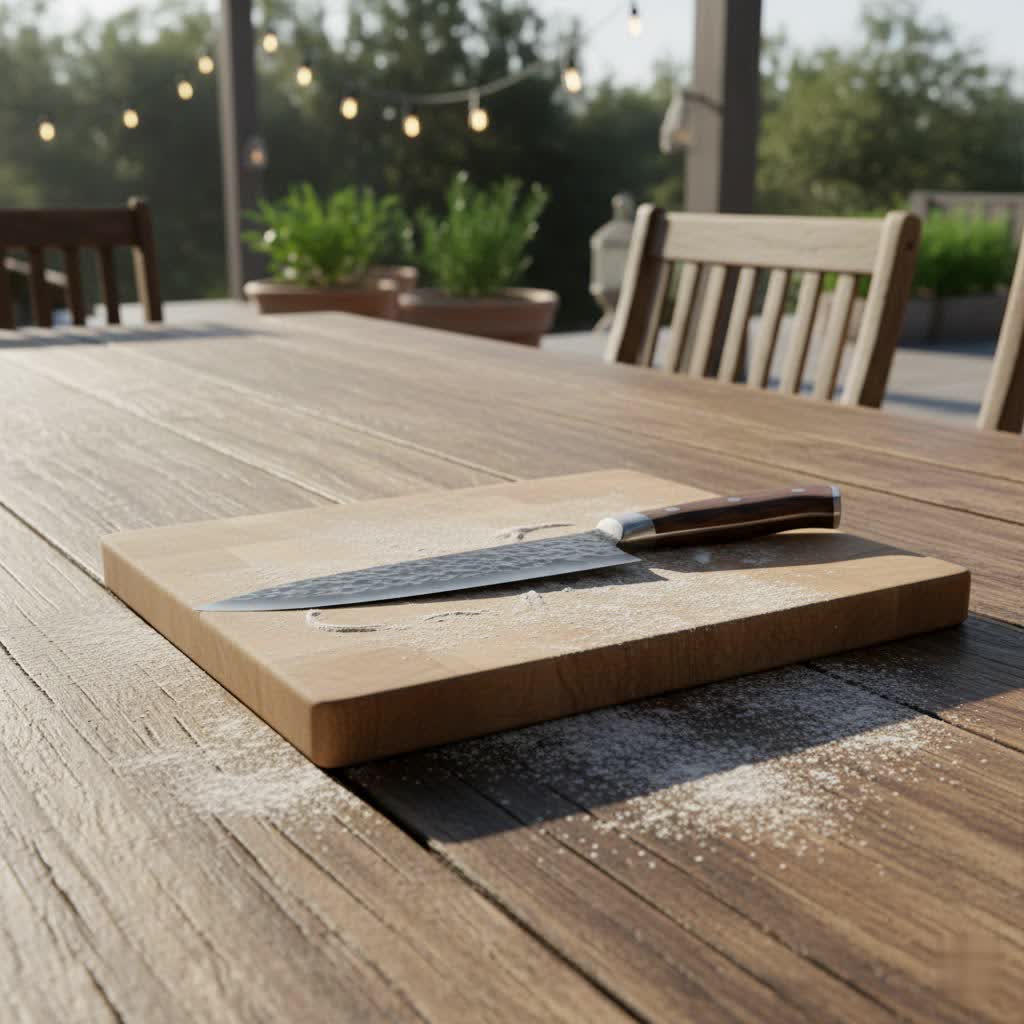
The Enduring Legacy: A Brief History of Small Kitchen Knives
Long before the gleaming stainless steel and ergonomic handles we know today, early cooks faced the universal challenge of preparing food. While larger blades handled butchery and general chopping, the need for delicate work—peeling roots, trimming small game, or preparing herbs—was ever-present. This necessity birthed the concept of smaller, more manageable knives.
Throughout history, as culinary techniques evolved and ingredients became more diverse, so did the specialization of kitchen tools. The humble small knife, in its various forms, became indispensable for the fine detail work that differentiates good food from truly great food. From ancient stone slivers used for meticulous trimming to the finely crafted steel blades of today, their purpose has remained consistent: to offer unparalleled control for tasks that larger knives simply can’t handle with the same grace. This evolution highlights a fundamental truth: precision has always been a cornerstone of thoughtful cooking.
Meet the Mini Marvels: Types of Small Kitchen Knives and Their Roles
When we talk about a “small kitchen knife,” we’re really talking about a family of specialized tools, each with its unique charm and purpose. Understanding these differences is your first step to choosing your perfect kitchen companion.
The Paring Knife: Your Precision Partner
Think of the paring knife as the surgeon of your kitchen. Typically sporting a plain, straight-edged blade between 2 to 4 inches long, often with a pointed tip, it is designed for unparalleled precision. It’s the knife you reach for when the task requires meticulous attention to detail, often used in hand rather than on a cutting board.
Primary uses include:
- Peeling: Effortlessly gliding over the contours of fruits like apples, pears, or potatoes.
- Trimming: Removing blemishes from vegetables, trimming fat from small cuts of meat, or deseeding chilies.
- Coring: Neatly coring apples or hulling strawberries.
- Deveining: Delicate work like deveining shrimp or prawns.
- Garnishing: Creating intricate garnishes and decorative cuts that impress.
|
Our Picks for the Best Chefs Knife in 2026
As an Amazon Associate I earn from qualifying purchases.
|
||
| Num | Product | Action |
|---|---|---|
| 1 | HOSHANHO Kitchen Knife in Japanese High Carbon Steel, Professional High-Class Chef's Knife 8 inch, Non-slip Ultra Sharp Cooking Knives with Ergonomic Handle |

|
| 2 | Okami Blades Classic Chef Knife 8 Inch – Japanese AUS 8 Steel Gyuto Knife, Ultrasharp & Perfectly Balanced Kitchen Knife with Rosewood & Ebony Handle for All Your Kitchen Tasks |
|
| 3 | 8 Inch Professional Chef Knife with Leather Sheath, Ultra Sharp Kitchen Knife with G10 Handle,Full Tang, Gyuto Style for Home Cooking and Outdoor BBQ, for Men and Women |
|
| 4 | Victorinox Swiss Army 5.2063.20-X14 Fibrox Chef's Knife Black 8 in |
|
| 5 | Mercer Culinary M22608 Millennia Black Handle, 8-Inch, Chef's Knife |
|
| 6 | imarku Japanese Chef Knife - Sharp Kitchen Knife 8 Inch Chef's Knives HC Steel Paring Knife, Unique Gifts for Men and Women, Gifts for Mom or Dad, Kitchen Gadgets with Gift Box, Gyutou Knives |
|
| 7 | MOSFiATA 8" Super Sharp Professional Chef's Knife with Finger Guard and Knife Sharpener, German High Carbon Stainless Steel EN1.4116 with Micarta Handle and Gift Box |
|
| 8 | Cuts Like Butter 6.2 Inch Meat Cleaver Butcher Knife with Leather Sheath, Wooden Gift Box, Full Tang High Carbon Steel Japanese Chef Knife for Kitchen Outdoor, Gifts for Women Men Christmas Birthday |
|
| 9 | HENCKELS Classic Razor-Sharp 8-inch Chef Knife, German Engineered Informed by 100+ Years of Mastery |
|
| 10 | PAUDIN Chef Knife, 8 Inch High Carbon Stainless Steel Sharp Kitchen Knife with Ergonomic Handle, Gift Box for Family & Restaurant |
|
“A paring knife is often the most undervalued tool in a home kitchen,” says Chef Anya Sharma, a renowned culinary instructor. “Its small size allows for an extension of your hand, giving you remarkable control for delicate tasks that larger knives would simply overpower. Mastering it opens up a whole new world of culinary artistry.”
The Utility Knife: The Versatile Workhorse
Sitting comfortably in size between a paring knife and a full-sized chef’s knife, the utility knife typically features a blade ranging from 4 to 7 inches. It’s the versatile middle-child, ready to tackle tasks that are too big for a paring knife but don’t quite warrant the heft of a chef’s knife. Its narrower blade makes it highly maneuverable.
Common applications include:
- Mid-sized Fruits and Vegetables: Slicing tomatoes, cucumbers, or smaller citrus fruits.
- Sandwiches and Cheese: Cutting through sandwiches or slicing blocks of cheese with ease.
- General Prep: Dicing shallots, mincing herbs, or trimming smaller cuts of meat where more control than a chef’s knife is desired.
Some utility knives come with a serrated edge, making them excellent for slicing through foods with tougher exteriors and softer interiors, like tomatoes or crusty rolls, without squishing them.
Smaller Santoku and Chef’s Knives: Compact Powerhouses
While traditional chef’s knives often boast an 8-inch blade, and Santoku knives typically range from 5-7 inches, smaller versions are increasingly popular. A 6-inch chef’s knife or a 5-inch Santoku offers a compact alternative for those who find larger knives unwieldy, especially cooks with smaller hands or those working in tight kitchen spaces.
These compact powerhouses still perform many of the general-purpose tasks of their larger counterparts—chopping, slicing, and dicing—but with enhanced maneuverability and a less intimidating presence. The Santoku, with its often flatter blade profile, is particularly favored for an efficient up-and-down chopping motion.
The Heart of the Blade: Materials and Handle Design
The performance and longevity of any small kitchen knife depend heavily on the materials used for its blade and handle. These aren’t just aesthetic choices; they dictate how the knife feels, performs, and lasts.
Blade Materials: Performance Meets Durability
- Stainless Steel: The most common material, prized for its excellent rust resistance and relatively easy maintenance. While it may not hold an edge as long as higher-carbon steels, it’s a reliable, user-friendly choice for everyday use.
- High-Carbon Stainless Steel: This blend offers the best of both worlds: good corrosion resistance from stainless steel combined with improved hardness and edge retention from higher carbon content. Many quality small kitchen knives utilize this material, providing a sharp blade that stays keen longer with reasonable care.
- Carbon Steel: Known for achieving and holding an incredibly sharp edge, carbon steel is a favorite among professional chefs for its superior cutting performance. However, it requires more diligent care, as it’s prone to rust and discoloration if not cleaned and dried immediately after use. It develops a beautiful patina over time, a badge of honor for many enthusiasts.
- Ceramic: Extremely hard and lightweight, ceramic blades boast exceptional sharpness and edge retention, often requiring less frequent sharpening. The trade-off is their brittle nature, making them susceptible to chipping or breaking if dropped or twisted. They are best reserved for slicing and delicate tasks where impact is unlikely.
Ergonomic Handles: A Comfortable Grip on Control
The handle of a small kitchen knife is just as crucial as its blade, particularly for precision tasks where comfort and control are paramount. An ergonomic handle that fits naturally and comfortably in your hand reduces fatigue and enhances safety. Look for materials like PakkaWood, composite, or even quality plastics that offer a secure, non-slip grip, even when wet.
Furthermore, a well-balanced knife feels like an extension of your hand, not a separate tool. For durability and optimal balance, many high-quality small knives feature a “full tang,” meaning the blade steel extends all the way through the handle. This construction ensures strength and prevents the blade from loosening over time, providing a solid, reliable feel with every cut.
Mastering the Mini Blade: Safe and Effective Techniques
Using a small kitchen knife effectively isn’t just about slicing and dicing; it’s about unlocking control and confidence for delicate tasks.
The Grip: Holding for Control
For paring knives, the “pinch grip” is often recommended. This involves pinching the base of the blade between your thumb and forefinger, with the rest of your fingers wrapped around the handle. This grip offers the best control over the blade’s tip, crucial for intricate work like peeling or carving. For utility knives, a firm, comfortable grip on the handle, ensuring your fingers are safely away from the blade, is key. Remember, safety always comes first; never rush a precise cut.
Precision Cuts: Beyond Just Chopping
Small kitchen knives excel where larger knives falter. Consider these applications:
- Peeling: Instead of a vegetable peeler, try a paring knife for a thinner, more controlled peel on fruits and vegetables, following their natural curves.
- Deveining Shrimp: The sharp, pointed tip of a paring knife makes quick work of this delicate task.
- Creating Garnishes: From delicate radish roses to intricate citrus twists, the precision of a small knife allows for truly impressive edible artistry.
- Trimming herbs: Finely mincing herbs or trimming small vegetables becomes effortless with a small, sharp blade.
Keeping Them Sharp: Care and Maintenance for Your Small Knives
Even the best small kitchen knife will lose its edge over time. Proper care and maintenance are vital to ensure your knife remains a joy to use and lasts for years.
Sharpening and Honing: The Edge of Excellence
- Honing: Regularly using a honing steel (or ceramic rod) helps realign the microscopic edge of your blade, keeping it sharp for longer between full sharpenings. A few strokes before or after each use can make a significant difference.
- Sharpening: When honing no longer brings back the desired sharpness, it’s time for sharpening. This removes a small amount of metal to create a new, keen edge. Whetstones, pull-through sharpeners, or professional sharpening services are all viable options. The specific method depends on your knife’s material and your personal preference.
Proper Storage: Protecting Your Investment
Improper storage is a leading cause of dull blades and kitchen accidents. Always store your small kitchen knives safely to protect both the blade and your hands.
- Knife Blocks: A classic and effective way to store knives, keeping blades protected and organized.
- Magnetic Strips: Space-saving and stylish, magnetic strips allow for easy access while showcasing your knives. Ensure knives are placed carefully to avoid damaging the edge.
- Drawer Inserts: For those who prefer to keep knives out of sight, a dedicated drawer insert keeps blades separate and safe from jostling against other utensils.
Proper cleaning involves washing the knife by hand immediately after use with warm, soapy water and drying it thoroughly. Dishwashers can be harsh on knife blades and handles, leading to dulling, corrosion, and damage.
Why Go Small? The Undeniable Benefits of Quality Small Kitchen Knives
Beyond their specific uses, quality small kitchen knives bring a host of benefits to any home cook:
- Enhanced Precision and Control: This is their standout feature. For tasks requiring delicate touch, a small knife provides unmatched accuracy, making you a more confident and capable cook.
- Improved Safety for Intricate Tasks: While it might seem counterintuitive, the increased control offered by a smaller blade often leads to safer cutting, reducing the risk of slips and accidents when performing fine work.
- Versatility in Handling Diverse Ingredients: From a tiny garlic clove to a delicate strawberry, a small knife can deftly navigate ingredients that would be cumbersome for a larger blade.
- Ideal for Smaller Hands and Compact Kitchens: Their lighter weight and shorter blades make them perfect for cooks with smaller hands, offering a comfortable and natural feel. In kitchens with limited counter space, their compact size is a practical advantage for both use and storage.
Your Perfect Match: Tips for Choosing the Right Small Kitchen Knife
Ready to welcome a small kitchen knife into your culinary collection? Here’s how to pick the perfect one:
- Consider Your Primary Tasks: Are you mostly peeling and intricate garnishing? A paring knife is your best bet. Need something for general prep of mid-sized items? A utility knife will serve you well.
- Assess Blade Length and Material: For paring knives, 3-4 inches is a sweet spot. For utility, 4-6 inches offers versatility. Choose a blade material that matches your desired performance and willingness for maintenance. High-carbon stainless steel is a great all-rounder for most home cooks.
- Prioritize Handle Comfort and Balance: This cannot be overstated. Hold the knife. Does it feel natural? Is it balanced in your hand? A comfortable grip is essential for precision and safety.
- Read Reviews and Choose Reputable Brands: Invest in quality. Brands known for their craftsmanship often produce knives with superior edge retention, balance, and durability. Look for feedback from other home cooks and culinary experts.
Frequently Asked Questions (FAQ)
What is the primary difference between a paring knife and a utility knife?
A paring knife is generally smaller (2-4 inches) and designed for highly precise, in-hand tasks like peeling and trimming. A utility knife is mid-sized (4-7 inches) and more versatile, bridging the gap between a paring knife and a chef’s knife for general slicing of smaller to medium-sized ingredients.
Can a small kitchen knife be sharpened like a chef’s knife?
Yes, small kitchen knives use similar sharpening principles as larger knives. You can use honing steels for daily maintenance and whetstones or pull-through sharpeners for a full sharpening. The angle might be slightly different for some specialized blades, but the general process is the same.
Are small kitchen knives good for beginners?
Absolutely! Small kitchen knives, particularly paring and utility knives, are excellent for beginners. Their smaller size offers greater control, making intricate tasks less daunting and helping new cooks develop confidence and precision in their knife skills.
What’s the best way to clean a small kitchen knife?
Always handwash your small kitchen knife immediately after use with warm, soapy water. Avoid dishwashers as the harsh detergents and high temperatures can damage the blade and handle. Dry the knife thoroughly with a clean towel to prevent water spots and rust.
How important is the handle material for a small knife?
The handle material is very important for a small knife. An ergonomic, comfortable, and non-slip handle provides crucial control for delicate tasks, reduces hand fatigue during prolonged use, and significantly enhances overall safety and precision. Materials like PakkaWood, composite, and quality polymers are popular choices.
Conclusion
The small kitchen knife may not be the flashiest tool in your kitchen, but its importance is undeniable. For every delicate peel, every precise trim, and every intricate garnish, these compact blades offer the control and finesse that larger knives simply can’t match. They empower you to approach nuanced tasks with confidence, making your time in the kitchen more efficient, safer, and ultimately, more enjoyable.
At Reviewrdouk Kitchen, we encourage you to look beyond the big blades and embrace the humble yet mighty small kitchen knife. Add one (or a few!) to your collection, learn its nuances, and watch as your culinary precision reaches new heights. Your cooking, and your love for the craft, will thank you.
