Every seasoned cook knows that a great meal starts long before the ingredients hit the pan. It begins with the right tools, and at the heart of every well-equipped kitchen lies the venerable chef’s knife. This isn’t just another utensil; it’s an extension of your culinary will, a partner in creation, and quite simply, the most versatile piece of equipment you’ll own. A top-tier chef’s knife elevates your cooking from a chore to an art form, making every slice, dice, and chop feel effortless and precise.
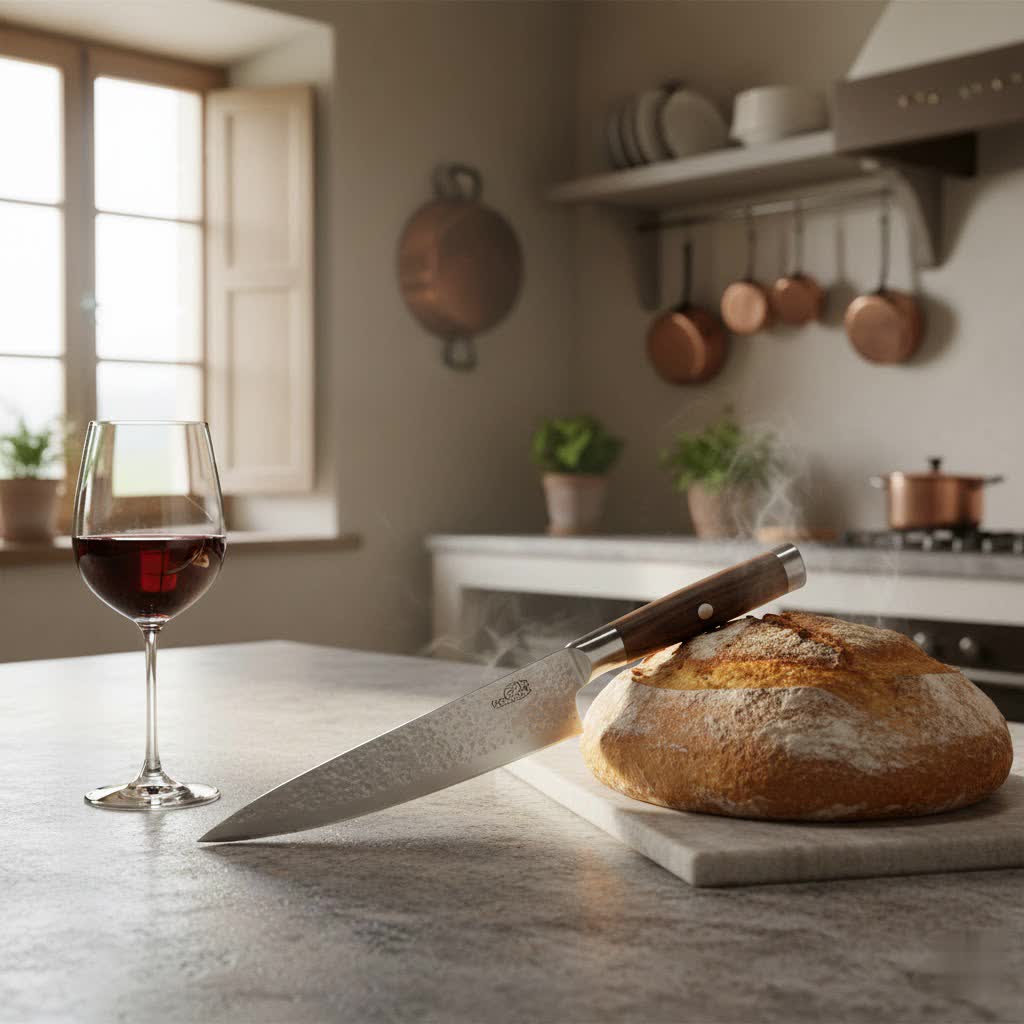
What Exactly is a Chef’s Knife? Understanding Its Anatomy
A chef’s knife, often dubbed the “cook’s knife,” is a marvel of functional design, crafted to perform a wide array of kitchen tasks. While typically ranging from 8 to 12 inches in blade length, the 8-inch chef’s knife is often considered the standard, offering a balance of maneuverability and cutting power. Understanding its components helps appreciate its genius:
- The Blade: This is the primary cutting surface. The tip is ideal for delicate, precise work like mincing garlic or scoring, while the edge is honed to effortlessly slice through foods. The heel, the rear section of the blade near the handle, provides robust power for tougher cuts.
- The Spine: The unsharpened top edge of the blade, offering stability and balance, and a place to apply pressure with your guiding hand for certain cuts.
- The Handle: Where you grip the knife, its design is crucial for control and comfort.
- The Bolster: The thick junction between the blade and handle. It aids in balance and acts as a finger guard, preventing your hand from slipping onto the blade.
- The Tang: The part of the blade that extends into the handle. A full tang, where the blade metal runs the entire length of the handle, provides superior balance and durability.
A truly great chef’s knife feels like a natural extension of your hand, with weight distributed evenly between the blade and handle, ensuring comfort during prolonged use and pinpoint accuracy.
A Glimpse into History: The Evolution of the Chef’s Knife
The history of the chef’s knife is intertwined with the evolution of cooking itself. Originally designed primarily for butchering and disjointing large cuts of beef, its utility quickly expanded beyond the meat block. Over centuries, its shape and design were refined to become the indispensable all-purpose tool it is today. From simple utility blades to the sophisticated instruments of modern cuisine, the chef’s knife has adapted to every culinary innovation, becoming a symbol of mastery in the kitchen for both professional chefs and home cooks alike.
Types of Chef’s Knives: Finding Your Match
While the term “chef’s knife” generally refers to one primary design, there are variations that cater to different preferences and cutting styles, mainly concerning blade length and profile.
- Blade Length: As mentioned, 8 inches is standard, versatile for most tasks. Smaller 6-inch or 7-inch chef’s knives offer greater maneuverability for those with smaller hands or who prefer lighter tasks like slicing fruits and vegetables. Larger 10-inch or 12-inch blades are favored by professionals for breaking down bigger ingredients and for efficient rocking motions.
- Blade Profile:
- German-style Chef’s Knives: Often have a more pronounced curve, especially towards the tip, which makes them excellent for a rocking motion – perfect for rapidly mincing herbs or chopping vegetables. They typically have a thicker, heavier blade.
- Japanese-style Chef’s Knives (Gyuto): While similar to the Western chef’s knife, the Gyuto often has a flatter profile towards the heel and a thinner blade. This design excels at push-cutting and delicate slicing, offering extreme sharpness.
Choosing the “right” type often comes down to personal preference and the kinds of tasks you perform most frequently.
The Heart of the Blade: Materials That Matter
The material composition of a chef’s knife blade dictates its performance, durability, and maintenance requirements.
Blade Materials:
- Stainless Steel: A common and affordable option, stainless steel blades are highly resistant to rust and corrosion. However, they tend to dull more easily and may require more frequent sharpening, though they can be harder to achieve a razor-sharp edge.
- High-Carbon Stainless Steel: This popular choice offers an excellent balance. It combines the rust resistance of stainless steel with improved edge retention and sharpness, making it a favorite among professional chefs.
- Carbon Steel: Prized by many for its exceptional sharpness and ability to hold a razor-fine edge for extended periods, carbon steel is also easier to sharpen. The trade-off is that it’s prone to rust and discoloration and requires diligent maintenance.
- Ceramic: Known for being incredibly hard, lightweight, and ultra-sharp, ceramic blades maintain their edge for a very long time. Their main drawback is fragility; they can chip or shatter if dropped or subjected to twisting motions.
- Titanium: While offering good sharpness, lightness, and flexibility, titanium blades are not ideal for heavy-duty cutting tasks due to their inherent flexibility.
|
Our Picks for the Best Chefs Knife in 2026
As an Amazon Associate I earn from qualifying purchases.
|
||
| Num | Product | Action |
|---|---|---|
| 1 | imarku Japanese Chef Knife - Sharp Kitchen Knife 8 Inch Chef's Knives HC Steel Paring Knife, Unique Gifts for Men and Women, Gifts for Mom or Dad, Kitchen Gadgets with Gift Box, Gyutou Knives |

|
| 2 | Mercer Culinary M22608 Millennia Black Handle, 8-Inch, Chef's Knife |
|
| 3 | Cuts Like Butter 6.2 Inch Meat Cleaver Butcher Knife with Leather Sheath, Wooden Gift Box, Full Tang High Carbon Steel Japanese Chef Knife for Kitchen Outdoor, Gifts for Women Men Christmas Birthday |
|
| 4 | PAUDIN Chef Knife, 8 Inch High Carbon Stainless Steel Sharp Kitchen Knife with Ergonomic Handle, Gift Box for Family & Restaurant |
|
| 5 | MOSFiATA 8" Super Sharp Professional Chef's Knife with Finger Guard and Knife Sharpener, German High Carbon Stainless Steel EN1.4116 with Micarta Handle and Gift Box |
|
| 6 | HENCKELS Classic Razor-Sharp 8-inch Chef Knife, German Engineered Informed by 100+ Years of Mastery |
|
| 7 | Victorinox Swiss Army 5.2063.20-X14 Fibrox Chef's Knife Black 8 in |
|
| 8 | HOSHANHO Kitchen Knife in Japanese High Carbon Steel, Professional High-Class Chef's Knife 8 inch, Non-slip Ultra Sharp Cooking Knives with Ergonomic Handle |
|
| 9 | Okami Blades Classic Chef Knife 8 Inch – Japanese AUS 8 Steel Gyuto Knife, Ultrasharp & Perfectly Balanced Kitchen Knife with Rosewood & Ebony Handle for All Your Kitchen Tasks |
|
| 10 | 8 Inch Professional Chef Knife with Leather Sheath, Ultra Sharp Kitchen Knife with G10 Handle,Full Tang, Gyuto Style for Home Cooking and Outdoor BBQ, for Men and Women |
|
The hardness of a knife’s steel is often measured on the Rockwell scale (HRC). Generally, knives range from 52 to 58 HRC, with premium knives going higher. A higher HRC means harder steel, which holds a sharp edge longer but is more challenging to sharpen. Softer steel dulls faster but is easier to bring back to life.
Handle Materials:
Knife handles come in various materials, including wood, synthetic compounds (like G-10 or Micarta), and even metal. The best handle is one that fits comfortably and securely in your hand, offering good grip even when wet.
Forged vs. Stamped Blades:
- Forged Blades: Created from a single bar of steel, heated and hammered into shape. This process creates a stronger, thicker, and more durable blade with a full tang and bolster. Professional chef’s knives are typically forged, making them substantial and more expensive.
- Stamped Blades: Cut from a large sheet of cold-rolled steel. These are generally thinner, lighter, and less expensive than forged knives. While they can be very sharp, they often lack the robustness and balance of their forged counterparts.
Mastering Your Blade: Safe and Effective Chef’s Knife Techniques
Using a chef’s knife safely and effectively is paramount. The secret lies in your grip and posture.
- The Pinch Grip: The most common professional grip involves pinching the heel of the blade between your thumb and forefinger, with the remaining fingers wrapped around the handle. This provides maximum control over the blade.
- The “Claw” Grip: When cutting, hold the food with your non-dominant hand, curling your fingertips inward like a claw. Your knuckles should guide the blade, protecting your fingertips.
- Rocking Motion: For chopping and mincing, especially with German-style knives, a fluid rocking motion is highly efficient. The tip of the blade remains in contact with the cutting board while the heel moves up and down.
- Always Cut Away: To prevent accidents, always direct your cuts away from your body and fingers.
As Chef Jean-Pierre Dubois, a renowned culinary instructor, often says, “A sharp knife is a safe knife. You’re less likely to slip and hurt yourself when the blade does the work, not brute force.” [cite: fictional expert]
Keeping It Sharp: Maintaining Your Chef’s Knife
Even the best chef’s knife will lose its edge with regular use. Proper maintenance is crucial for safety, performance, and longevity.
- Honing: Use a honing steel frequently (ideally before or after each use) to realign the blade’s edge. This doesn’t sharpen the knife but keeps the existing edge straight and effective.
- Sharpening: Over time, honing won’t be enough. Your chef’s knife will need proper sharpening using a whetstone, pull-through sharpener, or professional service. How often depends on usage, but a home cook might sharpen every few months.
- Cleaning: Always handwash your chef’s knife immediately after use with warm, soapy water. Avoid dishwashers, as harsh detergents and high heat can damage the blade and handle.
- Storage: Store your knife safely in a knife block, on a magnetic strip, or with a blade guard to protect the edge and prevent accidents.
Why Invest in a Quality Chef’s Knife? The Benefits
The arguments for investing in a high-quality chef’s knife are compelling:
- Unparalleled Versatility: From mincing herbs to butchering chicken, a chef’s knife handles nearly every task. It truly is the “workhorse” of the kitchen.
- Efficiency and Speed: A sharp, well-balanced knife makes prep work faster and more enjoyable, saving you precious time.
- Precision and Control: A quality blade allows for consistent, even cuts, which is essential for uniform cooking and beautiful presentation.
- Reduced Fatigue: Good balance and an ergonomic handle minimize strain on your hand and wrist, especially during long cooking sessions.
- Enhanced Safety: A sharp knife requires less force, reducing the risk of slipping and accidental cuts.
How to Choose the Perfect Chef’s Knife for You
Selecting your ideal chef’s knife is a personal journey. Consider these factors to find the blade that truly feels like an extension of your hand:
- Blade Length: An 8-inch chef’s knife is an excellent starting point for most home cooks. Those with smaller hands or who prefer nimble control might opt for 6-7 inches, while larger hands or heavy-duty tasks might call for 9-10 inches.
- Weight and Balance: This is highly subjective. Some prefer a heavier knife for its “feel” and ability to power through ingredients, while others favor lighter blades for faster, more agile work. Crucially, the knife should feel balanced in your hand, not blade-heavy or handle-heavy.
- Blade Material: Consider your willingness to maintain the knife. If low maintenance is key, high-carbon stainless steel is a great choice. If you prioritize extreme sharpness and don’t mind the upkeep, carbon steel might be for you.
- Handle Comfort: The handle should fit your grip snugly without causing pressure points. If possible, hold different knives to see how they feel.
- Forged vs. Stamped: Forged knives offer durability and superior balance, often justifying their higher price tag for serious cooks. Stamped knives are more budget-friendly and can still perform admirably.
- Edge Type: Decide if you prefer a pronounced curve for rocking motion or a flatter profile for precise push-cuts.
If buying online, research brands and models thoroughly, but if possible, “test drive” a few chef’s knives in person to experience how they feel in your hand.
Frequently Asked Questions
Q: What size chef’s knife is best for home cooks?
A: An 8-inch chef’s knife is generally considered the most versatile and highly recommended size for home cooks. It offers a good balance between maneuverability for smaller tasks and sufficient length for larger ingredients.
Q: What’s the difference between a forged and stamped chef’s knife?
A: Forged chef’s knives are made from a single piece of steel, hammered into shape, resulting in a stronger, heavier, and more balanced blade with a full bolster. Stamped chef’s knives are cut from a sheet of steel, making them lighter, thinner, and typically less expensive.
Q: How often should I sharpen my chef’s knife?
A: The frequency depends on usage. For most home cooks, sharpening with a whetstone or professional service every few months is sufficient, while honing the blade with a steel should be done regularly, even daily, to maintain its edge.
Q: Can I put my chef’s knife in the dishwasher?
A: No, it is strongly advised not to put your chef’s knife in the dishwasher. The high heat, harsh detergents, and potential for jostling can damage the blade, dull the edge, and degrade the handle material. Always handwash and dry immediately.
Q: What is the ideal balance for a chef’s knife?
A: The ideal balance for a chef’s knife is subjective but generally means the knife feels evenly weighted in your hand, with the balance point typically around the bolster or just in front of it. This prevents wrist fatigue and enhances control.
Conclusion
The chef’s knife is more than just a tool; it’s the beating heart of your kitchen, an instrument capable of transforming raw ingredients into culinary masterpieces. By understanding its anatomy, appreciating its history, and learning how to choose, use, and care for it, you unlock a world of precision, efficiency, and joy in your cooking. Embrace the art and science behind this magnificent blade, and let your chef’s knife be the trusted partner that truly elevates your culinary journey. Discover the perfect chef’s knife for you, and watch your kitchen confidence soar.
