Ever dreamt of a knife that feels like an extension of your hand, effortlessly gliding through ingredients with breathtaking precision? Welcome to the world of the Miyabi chef knife, where centuries of Japanese sword-making artistry converge with modern engineering to create culinary tools that are as beautiful as they are functional. At Reviewrdouk Kitchen, we believe the right knife can transform your cooking experience, and Miyabi stands as a testament to that philosophy. If you’re looking to elevate your kitchen game, understanding the intricate craftsmanship behind these magnificent blades is your first step.
The Legacy of Japanese Blade Craftsmanship
The story of the Miyabi chef knife begins in Seki, Japan, a city steeped in over 800 years of samurai sword-making tradition. This rich heritage is the bedrock of Miyabi’s philosophy, blending the ancient art of blade forging with cutting-edge technology. While Miyabi is part of the German Zwilling J.A. Henckels family, it proudly retains its Japanese soul, crafting knives that embody elegance, sharpness, and perfect balance.
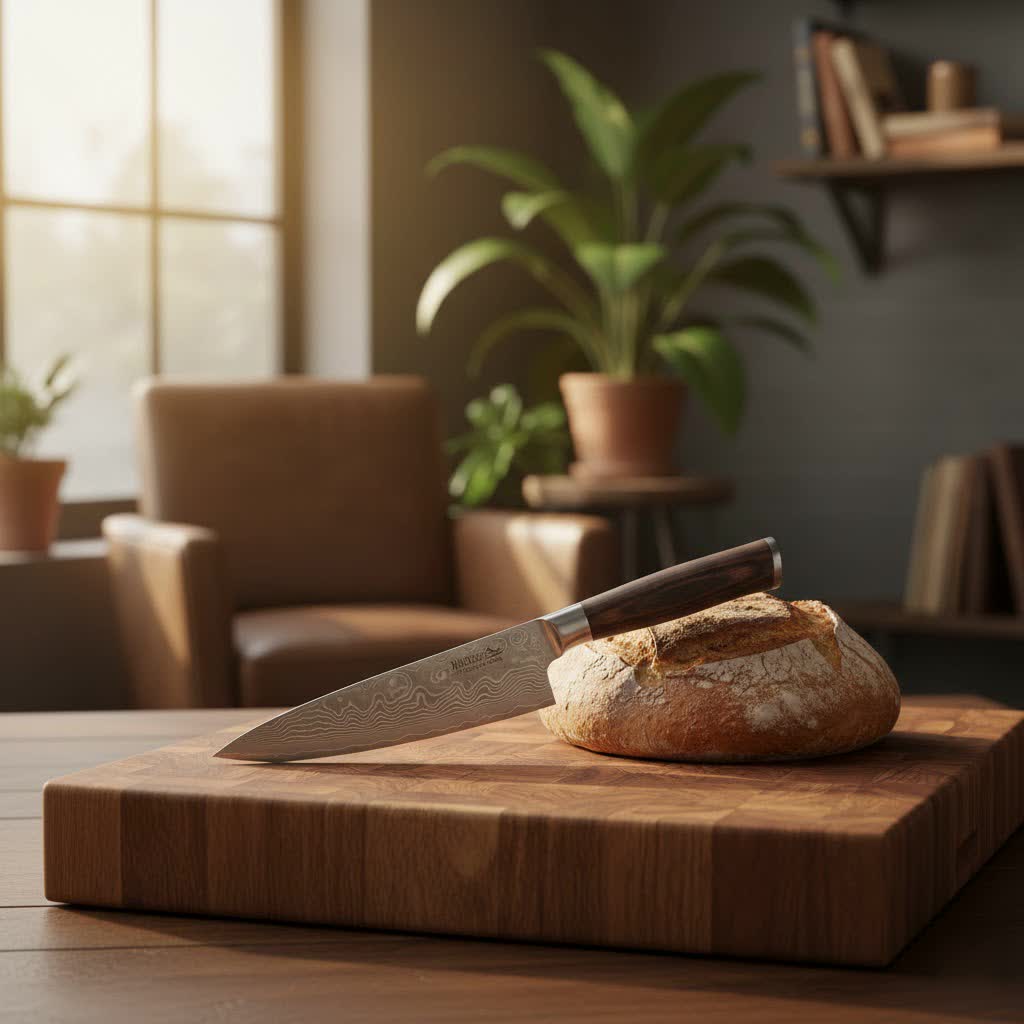
What truly sets Miyabi apart is its meticulous approach to knife production. Each blade undergoes a process called Honbazuke, a traditional three-step hand-honing technique that results in a scalpel-like sharpness. This is often combined with CRYODUR® ice-hardening, a precise tempering process that enhances the steel’s hardness, corrosion resistance, and elasticity. You’ll also notice the mesmerizing Damascus patterns on many Miyabi blades, which are not just for show; these layers of steel contribute to the blade’s strength and overall performance, a visual ode to the artistry involved.
Unveiling the Heart of the Blade: Miyabi’s Premium Materials
The exceptional performance of a Miyabi chef knife lies deep within its core – the steel. Miyabi employs a range of high-quality steels, each chosen for specific characteristics that cater to different culinary demands.
Steel Types: The Edge of Innovation
- SG2 (Super Gold 2): Often found in series like the Miyabi Birchwood, SG2 is a micro-carbide powdered steel known for its exceptional edge retention and durability. Knives made with SG2 typically boast a Rockwell hardness of around 63 HRC, offering a fantastic balance of a super-sharp edge that holds up well to regular use without being overly prone to chipping.
- MC66 (Micro-Carbide): Featured in the pinnacle Miyabi Black series, MC66 steel (sometimes referred to as ZDP-189) pushes the boundaries of hardness, reaching an astounding 66 HRC. This translates to an incredibly sharp and long-lasting edge, though it requires a more delicate touch and expert sharpening. It’s truly for those who prioritize the ultimate in cutting performance and are meticulous with their tools.
- VG10 & FC61: These steels, found in series like Kaizen and Evolution, offer a more forgiving and durable experience with a Rockwell hardness in the 60-61 HRC range. VG10 is a widely respected stainless steel known for its excellent balance of edge retention, rust resistance, and ease of sharpening. FC61 is a proprietary fine carbide steel developed by Miyabi, offering similar reliable performance, making these series excellent choices for everyday use and for those transitioning to Japanese knives.
|
Our Picks for the Best Chefs Knife in 2026
As an Amazon Associate I earn from qualifying purchases.
|
||
| Num | Product | Action |
|---|---|---|
| 1 | Cuts Like Butter 6.2 Inch Meat Cleaver Butcher Knife with Leather Sheath, Wooden Gift Box, Full Tang High Carbon Steel Japanese Chef Knife for Kitchen Outdoor, Gifts for Women Men Christmas Birthday |

|
| 2 | imarku Japanese Chef Knife - Sharp Kitchen Knife 8 Inch Chef's Knives HC Steel Paring Knife, Unique Gifts for Men and Women, Gifts for Mom or Dad, Kitchen Gadgets with Gift Box, Gyutou Knives |
|
| 3 | 8 Inch Professional Chef Knife with Leather Sheath, Ultra Sharp Kitchen Knife with G10 Handle,Full Tang, Gyuto Style for Home Cooking and Outdoor BBQ, for Men and Women |
|
| 4 | MOSFiATA 8" Super Sharp Professional Chef's Knife with Finger Guard and Knife Sharpener, German High Carbon Stainless Steel EN1.4116 with Micarta Handle and Gift Box |
|
| 5 | HOSHANHO Kitchen Knife in Japanese High Carbon Steel, Professional High-Class Chef's Knife 8 inch, Non-slip Ultra Sharp Cooking Knives with Ergonomic Handle |
|
| 6 | PAUDIN Chef Knife, 8 Inch High Carbon Stainless Steel Sharp Kitchen Knife with Ergonomic Handle, Gift Box for Family & Restaurant |
|
| 7 | Okami Blades Classic Chef Knife 8 Inch – Japanese AUS 8 Steel Gyuto Knife, Ultrasharp & Perfectly Balanced Kitchen Knife with Rosewood & Ebony Handle for All Your Kitchen Tasks |
|
| 8 | Mercer Culinary M22608 Millennia Black Handle, 8-Inch, Chef's Knife |
|
| 9 | HENCKELS Classic Razor-Sharp 8-inch Chef Knife, German Engineered Informed by 100+ Years of Mastery |
|
| 10 | Victorinox Swiss Army 5.2063.20-X14 Fibrox Chef's Knife Black 8 in |
|
Handle Materials: A Grip on Perfection
A knife is only as good as how it feels in your hand, and Miyabi pays close attention to the ergonomics and aesthetics of its handles. You’ll find a variety of premium materials:
- Masur Birchwood: A light-colored wood, often seen in the Birchwood SG2 series, known for its stunning grain and natural beauty. These handles often feature a traditional D-shaped profile for a comfortable, secure grip.
- Pakkawood: A durable, moisture-resistant composite material made from layers of wood veneer and resin. It’s often used in series like Kaizen and Koh, offering stability, longevity, and elegant finishes, sometimes in a traditional D-shape or a more rounded design.
- African Blackwood & Bigleaf Maple: Used in the ultra-premium Black series, these woods provide a luxurious feel and striking visual contrast to the dark Damascus blade, often crafted into traditional octagonal or D-shaped handles.
- POM: Found in the Evolution series, POM (polyoxymethylene) is an engineered material that offers a more Western-style, triple-riveted handle, providing a comfortable and familiar feel for those accustomed to European knives while still benefiting from Japanese blade technology.
Damascus Layers: Beauty with Purpose
Many Miyabi chef knives feature a captivating Damascus pattern, created by layering different types of steel (sometimes 64, 100, or even 132 layers!). This isn’t purely decorative; the layering enhances the blade’s strength, flexibility, and helps to release food easily from the blade during slicing. It’s a visual representation of the complexity and care put into each knife.
Navigating the Miyabi Universe: A Look at Popular Series
Miyabi offers several distinct series, each with its own character and suited for different culinary preferences and budgets.
Miyabi Black: The Ultimate Statement Piece
The Miyabi Black series represents the pinnacle of Miyabi’s artistry and engineering. With an MC66 micro-carbide powdered steel core and up to 133 layers of deep-etched blackened Damascus, these knives offer unmatched edge retention and a stunning aesthetic. The D-shaped Bigleaf Maple handle provides an elegant and comfortable grip. “The Miyabi Black is an extraordinary tool, a true chef’s dream for precision work where every cut matters,” says Chef Kenji Tanaka, renowned for his minimalist culinary approach. This series is an investment for experienced chefs who demand the absolute best and understand the care required for such a refined instrument.
Miyabi Birchwood SG2: Elegance Meets Robust Performance
The Birchwood SG2 series is celebrated for its exquisite Masur birch handle and SG2 micro-carbide powdered steel core, clad in 100 layers of Damascus. This combination offers a perfect balance of stunning aesthetics and exceptional cutting power with a Rockwell hardness of 63. The D-shaped handle ensures a secure and comfortable grip. It’s a fantastic choice for serious home cooks and professionals seeking a high-performance knife that is both beautiful and reliable for daily use.
Miyabi Artisan: The Blend of Beauty and Utility
The Artisan series features a unique hammered Tsuchime finish, which not only looks stunning but also helps prevent food from sticking to the blade. Crafted with an MC63 steel core and a Masur birch handle, the Artisan series strikes a wonderful balance between traditional craftsmanship and modern performance. This series is ideal for those who appreciate both traditional Japanese aesthetics and high-performance functionality in their Miyabi chef knife.
Miyabi Kaizen / Kaizen II: A Balanced Choice for the Discerning Cook
The Kaizen (and Kaizen II) series are known for their traditional thin Japanese profiles and excellent balance. Featuring a VG10 or FC61 steel core clad in up to 100 layers of Damascus steel, these knives offer impressive edge retention through Miyabi’s unique ice-hardening process. The black Pakkawood handles are comfortable and durable. They are often considered a strong upgrade option for home chefs looking for a high-quality Miyabi chef knife without the top-tier price tag.
Miyabi Evolution & Koh: Accessible Excellence
For those seeking an entry point into Miyabi’s world, the Evolution and Koh series offer exceptional value. The Evolution series is a “hybrid” that combines the comfort of a Western-style, triple-riveted POM handle with a sharp Japanese FC61 fine carbide steel blade (61 HRC), perfect for cooks who prefer a rock-chop motion. The Koh series, also with FC61 steel, focuses on a more traditional Japanese aesthetic with a D-shaped Pakkawood handle and Honbazuke finishing, providing a ridiculously sharp edge at a friendly price point, making it an excellent choice for beginner and intermediate home chefs.
Mastering Your Miyabi Chef Knife: Techniques for Precision and Safety
Handling a Miyabi chef knife is a transformative experience, but its extreme sharpness demands respect and proper technique.
Proper Grip: The Foundation of Control
For optimal control and safety, adopt a “pinch grip.” This involves pinching the heel of the blade between your thumb and forefinger, with your remaining fingers wrapped around the handle. This grip offers superior balance and allows for precise maneuvering, which is crucial given the fine edge of a Miyabi chef knife.
Cutting Techniques: Embrace the Push-Cut
While Western knives are often used for a rocking motion, the thin, hard edges of Japanese knives, especially Miyabis, excel at push-cutting and slicing. This technique involves pushing the blade straight down and forward, minimizing lateral stress on the delicate edge. Avoid twisting or prying, as this can lead to chipping, particularly with harder steels like MC66.
Safety First: A Constant Reminder
Always be mindful of the razor-sharp edge. Keep your non-cutting hand’s fingertips tucked back, forming a “claw” to guide the blade safely. When not in use, ensure your Miyabi chef knife is stored securely to prevent accidental cuts.
The Art of Preservation: Caring for Your Miyabi Chef Knife
Investing in a Miyabi chef knife means committing to its care. Proper maintenance ensures its longevity, preserves its legendary sharpness, and keeps it looking as stunning as the day you first held it.
Cleaning: Hand Wash Only
After each use, immediately hand wash your Miyabi knife with warm water and a mild dish soap. Use a soft sponge or cloth to gently clean the blade and handle.
- Why no dishwasher? Dishwashers are the archenemy of fine knives. The harsh detergents, high heat, and jostling against other utensils can dull the edge, corrode the steel, and damage delicate handle materials like wood.
Storage: Protecting Your Investment
Proper storage is paramount to protect the blade and ensure safety.
- Knife Block or Magnetic Strip: These are ideal options, keeping the blade suspended and preventing it from bumping into other objects that could dull or chip the edge.
- Protective Sheaths/Saya: If storing in a drawer, always use a blade guard or a traditional Japanese wooden sheath (saya) to shield the cutting edge.
Cutting Surfaces: Choose Wisely
The surface you cut on directly impacts your knife’s edge retention.
- Wooden or High-Quality Plastic Boards: These materials are forgiving to the blade, allowing it to sink slightly into the surface and preserving its sharpness.
- Avoid Hard Surfaces: Never use glass, stone, marble, or metal cutting boards. These materials are harder than your Miyabi’s blade and will rapidly dull or even chip its fine edge.
Honing vs. Sharpening: Maintaining the Edge
Even the best knives require maintenance to stay sharp.
- Honing: Regular honing with a ceramic honing rod (not steel, as it can be too abrasive for harder steels) helps realign the microscopic edge of the blade that bends over time. Do this gently after every few uses or once a week. “Think of honing as brushing your teeth, and sharpening as a dental cleaning,” advises Chef Tanaka.
- Sharpening: When honing no longer restores the edge, it’s time for sharpening. The best method for Miyabi knives is using a whetstone, which offers precise control over the blade’s delicate 9.5-12.5 degree angle. This can be a learned skill; consider practicing on less expensive knives first, or opt for professional sharpening services.
- Avoid Pull-Through Sharpeners: These devices often remove too much steel unevenly and can damage the fine edge geometry of a Miyabi knife.
What to Avoid: Extending Your Knife’s Life
- Prying or Twisting: Japanese knives are designed for precise cuts, not prying open containers or twisting through tough items.
- Hard Foods: Steer clear of cutting bones, frozen foods, or very hard cheeses, as these can chip the delicate, hard edge. Use a cleaver or a specialized utility knife for such tasks.
Is a Miyabi Chef Knife Worth the Investment?
Without a doubt, a Miyabi chef knife is a significant investment. Their price point, which can range from accessible intermediate models to several hundred dollars for the premium series, reflects the superior materials, traditional craftsmanship, and advanced technology involved. However, for those who spend a lot of time in the kitchen and appreciate the art of cooking, the benefits are clear:
- Unparalleled Sharpness: The Honbazuke edge provides a cutting experience that makes food prep faster, more efficient, and more enjoyable.
- Exceptional Edge Retention: High-quality steels like SG2 and MC66 mean your knife stays sharper for longer, reducing the frequency of sharpening.
- Beautiful Aesthetics: Each Miyabi knife is a work of art, a statement piece that adds elegance to any kitchen.
- Enhanced Culinary Experience: The balance, precision, and effortless cutting make even mundane tasks a pleasure, inspiring greater creativity and confidence in the kitchen.
While they may be an investment, a well-cared-for Miyabi chef knife can be a lifelong companion, enhancing countless culinary adventures. Keeping an eye out for sales can also make these exceptional knives more accessible, offering incredible value for their performance and beauty.
Choosing Your Perfect Miyabi Chef Knife
Selecting the right Miyabi chef knife depends on your individual needs:
- For the Aspiring Chef or Enthusiastic Home Cook: Consider the Miyabi Evolution or Koh series for their accessible price point and excellent performance, offering a gentle introduction to Japanese knives.
- For the Serious Home Cook Looking for an Upgrade: The Miyabi Kaizen or Artisan series offer a fantastic blend of performance, aesthetics, and durability, representing a significant step up in quality and cutting experience.
- For the Culinary Professional or Connoisseur: The Miyabi Birchwood SG2 and Miyabi Black series deliver the absolute pinnacle of Japanese blade craftsmanship, offering unmatched sharpness and breathtaking beauty for those who demand the very best.
Think about your primary cooking style, the types of foods you prepare most often, and your comfort level with knife care. No matter your choice, a Miyabi chef knife is designed to bring joy and precision to your kitchen.
Frequently Asked Questions about Miyabi Chef Knives
Q: Are Miyabi knives full tang?
A: Many Miyabi series, like the Evolution, feature a full tang for enhanced balance and durability. Other traditional Japanese designs may incorporate different tang constructions that still ensure excellent balance and strength.
Q: Can I put my Miyabi knife in the dishwasher?
A: Absolutely not. Miyabi knives are not dishwasher-safe. Always hand wash them with mild soap and warm water immediately after use and dry them thoroughly to prevent damage to the blade and handle.
Q: What Rockwell hardness are Miyabi knives?
A: Miyabi knives vary in Rockwell hardness depending on the series and steel used. They typically range from 60-61 HRC for VG10/FC61 steels (e.g., Kaizen, Evolution, Koh) to 63 HRC for SG2 steel (e.g., Birchwood SG2, Artisan) and up to 66 HRC for MC66 steel (e.g., Miyabi Black).
Q: How often should I sharpen my Miyabi chef knife?
A: The frequency of sharpening depends on your usage. You should hone your Miyabi chef knife with a ceramic rod regularly (e.g., weekly or after every few intensive uses) to realign the edge. Full sharpening with a whetstone might only be needed every few months to a year, or when honing no longer restores the desired sharpness.
Q: What’s the difference between a Miyabi chef knife and a Santoku?
A: A Miyabi chef knife (Gyuto in Japanese terminology) typically has a longer, more pointed blade with a curved belly, ideal for rocking cuts, slicing, and dicing. A Santoku, meaning “three virtues,” usually has a flatter blade profile and a “sheepsfoot” or modified clip point, excelling at chopping, dicing, and mincing, particularly for vegetables. Miyabi offers both styles across its series.
Conclusion: Elevate Your Culinary Journey
A Miyabi chef knife is more than just a tool; it’s a testament to precision, beauty, and a deep respect for the culinary craft. By understanding the intricate details of its construction, from the choice of steel to the elegant handle, and by committing to its proper care, you unlock a level of performance that can truly transform your time in the kitchen. At Reviewrdouk Kitchen, we’re confident that once you experience the effortless glide and impeccable balance of a Miyabi, you’ll wonder how you ever cooked without it. Take the leap, choose your perfect Miyabi chef knife, and elevate every slice, dice, and chop into an art form.
