Welcome to Reviewrdouk Kitchen, where we believe every great meal begins with exceptional tools. Among all the gadgets and gizmos in your culinary arsenal, a quality knife set stands paramount. It’s more than just a collection of blades; it’s the very foundation of efficiency, safety, and joy in your kitchen. Whether you’re a seasoned chef or just embarking on your cooking journey, investing in the right set of knives can transform your experience from a chore into an art form. Join us as we slice through the complexities to uncover what truly defines a superior knife set and how to choose the perfect one for your culinary adventures.
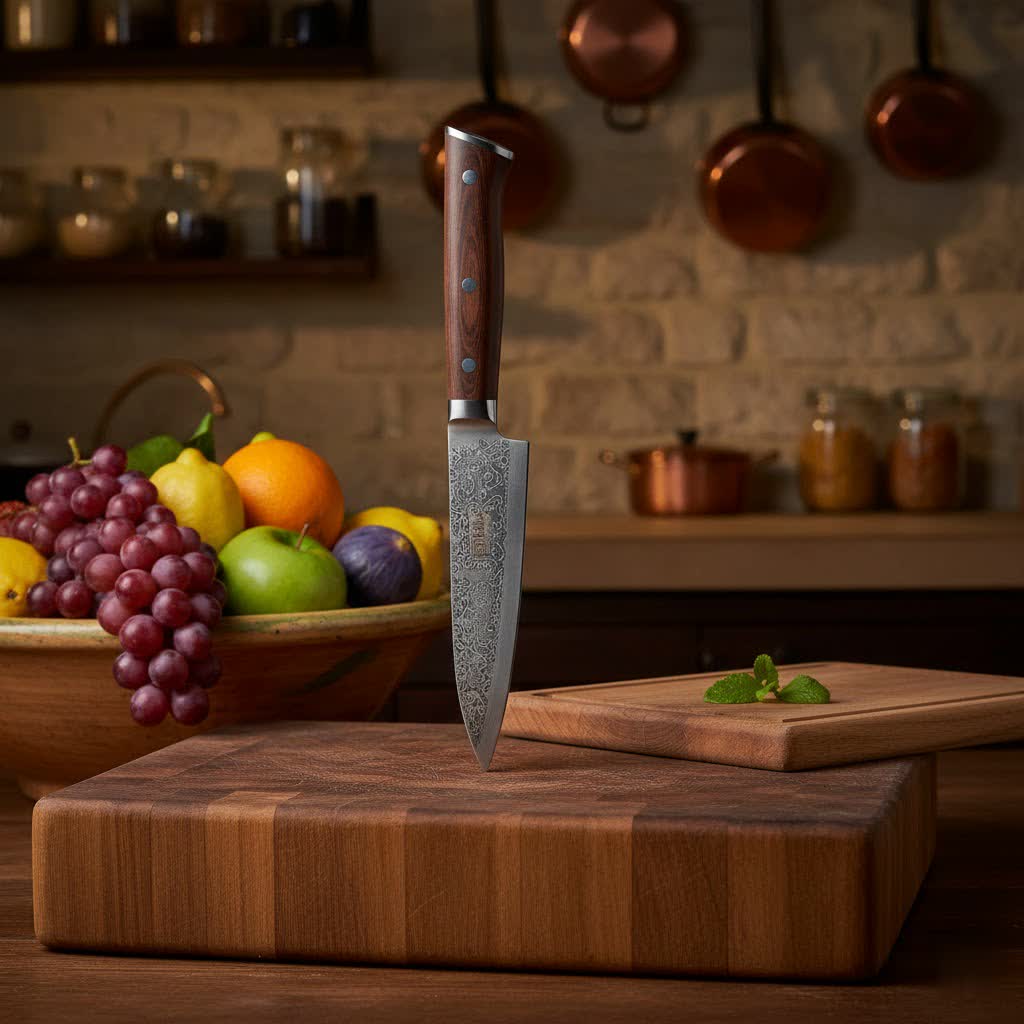
The Unsung Heroes: Why Quality Knife Sets Matter
Imagine trying to dice a ripe tomato with a dull knife – it’s frustrating, messy, and frankly, a little dangerous. Now picture the effortless glide of a perfectly sharp blade, making quick work of even the most delicate ingredients. That’s the power of a quality knife set. It’s about enhancing your experience, boosting your confidence, and ensuring every cut is precise and clean. Beyond the immediate satisfaction, these tools are a long-term investment, built to withstand the rigors of daily cooking and remain reliable companions for years to come. At Reviewrdouk Kitchen, we advocate for tools that don’t just perform but inspire.
Anatomy of Excellence: What Defines a Quality Knife
So, what exactly elevates a run-of-the-mill knife set to one of true quality? It boils down to several critical factors, each playing a vital role in the knife’s performance, durability, and ergonomic appeal.
Blade Materials: The Heart of the Cut
The material of a knife’s blade is arguably its most crucial component, influencing sharpness, edge retention, and resistance to corrosion. High-carbon stainless steel is widely considered the gold standard for premium kitchen knife sets. But even within this category, there are distinctions:
- German Steel: Known for its robustness, excellent edge retention, and a slight flexibility that makes it less prone to chipping, German steel offers a superb balance of hardness and resilience for everyday kitchen tasks. Brands like Wüsthof and Henckels often utilize this material.
- Japanese Steel: Praised for its exceptional sharpness and lighter feel, Japanese steel typically allows for a finer, more acute edge. This makes it ideal for precision slicing and delicate work, though some ultra-hard Japanese blades can be more susceptible to chipping if twisted or used on bone. Shun and Miyabi are prime examples of brands excelling in this craftsmanship.
|
Our Picks for the Best Chefs Knife in 2026
As an Amazon Associate I earn from qualifying purchases.
|
||
| Num | Product | Action |
|---|---|---|
| 1 | Okami Blades Classic Chef Knife 8 Inch – Japanese AUS 8 Steel Gyuto Knife, Ultrasharp & Perfectly Balanced Kitchen Knife with Rosewood & Ebony Handle for All Your Kitchen Tasks |

|
| 2 | imarku Japanese Chef Knife - Sharp Kitchen Knife 8 Inch Chef's Knives HC Steel Paring Knife, Unique Gifts for Men and Women, Gifts for Mom or Dad, Kitchen Gadgets with Gift Box, Gyutou Knives |
|
| 3 | Cuts Like Butter 6.2 Inch Meat Cleaver Butcher Knife with Leather Sheath, Wooden Gift Box, Full Tang High Carbon Steel Japanese Chef Knife for Kitchen Outdoor, Gifts for Women Men Christmas Birthday |
|
| 4 | Mercer Culinary M22608 Millennia Black Handle, 8-Inch, Chef's Knife |
|
| 5 | HENCKELS Classic Razor-Sharp 8-inch Chef Knife, German Engineered Informed by 100+ Years of Mastery |
|
| 6 | PAUDIN Chef Knife, 8 Inch High Carbon Stainless Steel Sharp Kitchen Knife with Ergonomic Handle, Gift Box for Family & Restaurant |
|
| 7 | MOSFiATA 8" Super Sharp Professional Chef's Knife with Finger Guard and Knife Sharpener, German High Carbon Stainless Steel EN1.4116 with Micarta Handle and Gift Box |
|
| 8 | 8 Inch Professional Chef Knife with Leather Sheath, Ultra Sharp Kitchen Knife with G10 Handle,Full Tang, Gyuto Style for Home Cooking and Outdoor BBQ, for Men and Women |
|
| 9 | Victorinox Swiss Army 5.2063.20-X14 Fibrox Chef's Knife Black 8 in |
|
| 10 | HOSHANHO Kitchen Knife in Japanese High Carbon Steel, Professional High-Class Chef's Knife 8 inch, Non-slip Ultra Sharp Cooking Knives with Ergonomic Handle |
|
While these two dominate the high-quality market, other materials like Damascus steel (renowned for its distinctive patterns and strength), ceramic (known for extreme sharpness and lightness but fragility), and titanium (lightweight, strong, and corrosion-resistant) also exist, catering to specific preferences and needs. For the home cook, high-carbon stainless steel provides the ideal blend of performance and practicality.
Construction: Forged vs. Stamped and the Power of Full Tang
Beyond the material, how a knife is constructed significantly impacts its quality and longevity:
- Forged Knives: Crafted from a single piece of heated steel that is pounded into shape, forged knives are typically thicker, heavier, and more durable. This process creates a stronger blade that often maintains its edge longer and offers superior balance.
- Stamped Knives: These are machine-cut from a sheet of steel and are generally lighter and more affordable. While modern manufacturing has improved their quality, they often lack the heft and durability of their forged counterparts.
For optimal performance and safety, look for a knife with a “full tang.” This means the blade’s metal extends all the way through the handle. A full tang is critical for two reasons:- Balance: It ensures an even weight distribution between the blade and handle, providing better control and reducing hand fatigue during prolonged use.
- Durability: It securely anchors the handle, preventing it from loosening or breaking off under stress.
Handle Design and Ergonomics: A Comfortable Grip is Key
Even the sharpest blade is only as good as the hand holding it. A quality knife set features handles that are comfortable to hold and provide a secure, non-slip grip, even when wet or greasy. Materials vary from classic wood (beautiful but requires more maintenance) to durable composites like Santoprene (resistant to extreme temperatures and oils) and hygienic stainless steel. The best handles are ergonomically designed to fit naturally in your hand, reducing strain and allowing for precise control.
Balance: The Secret to Effortless Control
A well-balanced knife feels like an extension of your arm. The weight should be evenly distributed between the blade and the handle, preventing the knife from feeling too blade-heavy or handle-heavy. This equilibrium makes cutting tasks easier, reduces fatigue, and significantly enhances your control, leading to safer and more efficient food preparation.
The Essential Arsenal: What Every Quality Knife Set Should Include
When selecting a quality knife set, resist the urge to believe that “more is better.” A truly valuable set focuses on utility, providing the essential knives you’ll actually use regularly, rather than a bloated block filled with superfluous blades.
Here’s a breakdown of the non-negotiables:
- Chef’s Knife (8-inch): This is your kitchen workhorse, the versatile hero for about 80% of your cutting tasks. Perfect for chopping onions, dicing vegetables, mincing herbs, and slicing meats. Its curved blade allows for a fluid rocking motion, making quick work of repetitive cuts.
- Paring Knife (3.5-inch to 4-inch): Small but mighty, the paring knife is indispensable for intricate tasks that require precision and control. Think peeling fruits and vegetables, trimming garnishes, deveining shrimp, or mincing small amounts of garlic.
- Serrated Bread Knife (8-inch to 10-inch): With its scalloped edge, this knife effortlessly slices through crusty loaves of bread without crushing the soft interior. It’s also surprisingly effective for delicate items like ripe tomatoes or soft pastries.
- Utility Knife (5-inch to 6-inch): Falling between a chef’s knife and a paring knife in size, the utility knife is great for tasks that are too large for a paring knife but too small for a chef’s knife. It’s excellent for slicing sandwiches, trimming smaller cuts of meat, or sectioning larger fruits.
- Santoku Knife (5-inch to 7-inch): The Japanese answer to the chef’s knife, the Santoku (meaning “three virtues” for meat, fish, and vegetables) features a straighter edge and a “sheep’s foot” tip. Its unique design makes it superb for precise slicing, dicing, and mincing, often featuring Granton edges to prevent food from sticking.
- Kitchen Shears: Often overlooked, a good pair of kitchen shears is incredibly useful for tasks like snipping herbs, trimming poultry, cutting parchment paper, or opening stubborn packaging.
- Honing Steel: While not a sharpening tool, a honing steel realigns the microscopic edge of your blade, keeping your knives performing optimally between sharpenings. Many quality sets include one.
Beyond the Blades: Storage and Maintenance for Longevity
Owning a quality knife set is only half the battle; proper storage and maintenance are key to preserving its performance and lifespan.
The Right Home: Knife Blocks
The most common and effective storage solution for a knife set is a knife block. These blocks, often made of wood or bamboo, protect the blades from dulling against other utensils in a drawer and keep them safely organized and readily accessible on your countertop. Some modern blocks even feature built-in self-sharpening slots, offering convenience for routine maintenance. Look for blocks with angled slots that protect the blade’s edge and a sturdy design that prevents tipping.
Sharpening vs. Honing: Keeping That Edge
It’s crucial to understand the difference between sharpening and honing. Honing, typically done with a steel rod, realigns the microscopic edge of a knife that has bent slightly from use, restoring its initial sharpness. This should be done frequently, even before each use. Sharpening, on the other hand, actually removes a small amount of metal to create a new, sharper edge. This is a less frequent task, depending on usage, and can be done with whetstones, pull-through sharpeners, or by a professional. Quality knives hold their edge well, but even the best will eventually need sharpening.
Cleaning and Care: Hand-Wash Your Treasures
To ensure your quality knives last a lifetime, always hand-wash them immediately after use with warm, soapy water and dry them thoroughly with a soft cloth. Dishwashers, while convenient, can be detrimental to knife blades and handles. The harsh detergents, high heat, and jostling against other items can dull edges, corrode steel, and damage handles. Treat your knives with the respect they deserve, and they will serve you faithfully.
Choosing Your Culinary Companion: Tips for Selecting the Perfect Quality Knife Set
Ready to invest in your kitchen’s future? Here are a few pointers to guide your decision:
- Understand Your Cooking Style and Needs: Are you a beginner needing just the essentials, or a seasoned home cook who prepares a variety of dishes? Your typical cooking habits will dictate the size and type of set that’s right for you. Don’t buy a 20-piece set if you only cook occasionally; a smaller, higher-quality set of essentials will serve you better.
- Set a Realistic Budget, but Think Investment: Quality knife sets can range from a few hundred dollars to over a thousand. While tempting to opt for the cheapest option, remember that a quality set is an investment. A well-made set will last decades, offering superior performance and safety, often proving more economical in the long run than repeatedly replacing cheaper knives.
- Hold Them in Your Hand (If Possible): Just like a good pair of shoes, a knife should feel right in your hand. If you have the opportunity, physically hold the knives. Assess the balance, the grip, and the overall feel.
- Look for Transparency: Reputable brands are transparent about their materials and manufacturing processes. Do they specify the type of steel? Are they proud of their forging process? These details speak volumes about the quality you can expect.
“A quality knife set isn’t just about sharp blades; it’s about the confidence it instills in every home chef. When you feel that perfect balance and effortless glide, cooking transforms from a task into a true passion project.” – Chef Anya Sharma, Lead Culinary Innovator at Reviewrdouk Kitchen.
Frequently Asked Questions (FAQ)
What’s the difference between German and Japanese steel in knife sets?
German steel is generally softer and more flexible, making it very durable and less prone to chipping, ideal for heavy-duty tasks and everyday use. Japanese steel is typically harder, allowing for a thinner, sharper edge that excels in precision cutting, though it can be more brittle.
How many knives do I really need in a quality set?
For most home cooks, a quality set should include the three essentials: an 8-inch chef’s knife, a paring knife, and a serrated bread knife. A utility knife and a Santoku are also highly recommended. Anything beyond these should be considered based on your specific cooking habits and needs.
Are self-sharpening knife blocks effective?
Self-sharpening knife blocks can be quite effective for maintaining a knife’s edge between uses, as they hone the blade each time you insert or remove it. They are a convenient solution, especially for those new to knife maintenance. However, they typically hone rather than truly sharpen, so periodic professional sharpening may still be needed.
How often should I sharpen my knives?
Honing your knives should be done frequently, ideally before or after every few uses, or even before each major prep session. Actual sharpening, which removes metal to create a new edge, depends on usage but is typically needed every 6-12 months for average home use, or when honing no longer restores the desired sharpness.
Can I put my quality knives in the dishwasher?
No, it is strongly advised to hand-wash and immediately dry your quality knives. The high heat, harsh detergents, and movement in a dishwasher can dull blades, corrode the steel, and damage handles, significantly shortening the lifespan and performance of your knife set.
Elevate Your Culinary Journey
A quality knife set is more than just kitchen equipment; it’s a testament to your passion for cooking and a commitment to culinary excellence. By understanding the nuances of blade materials, construction, ergonomics, and essential knife types, you’re now equipped to make an informed decision that will enrich your kitchen experience for years to come. So, go ahead, explore the possibilities, and find the quality knife set that feels just right in your hands. Experience the joy of effortless preparation, the satisfaction of precise cuts, and the confidence that comes from wielding tools crafted for mastery. Happy cooking from all of us at Reviewrdouk Kitchen!
